

Learning Obedience and Responsibility from Adam
Reflecting on Adam's failure, we explore obedience, responsibility, and the hope of restoration in Christ.

Learning Obedience and Responsibility from Adam
In the Bible, Adam does not merely appear as the first human. He is a pivotal figure that demonstrates what it means for humanity to live in relationship with God and how sin introduces fractures into life. Reading about Adam isn't just observing a past failure; it is akin to reflecting on my own faith today.
In Genesis 2, God places Adam in the Garden of Eden and commands him, "to work it and take care of it" (Gen. 2:15). Humanity's initial mission was not wandering but faithfulness in the assigned realm. God also gave clear instructions: "You must not eat from the tree of the knowledge of good and evil" (Gen. 2:17). Relationships came with freedom but also boundaries. Loving God involves obedience.
The first lesson from Adam's story is that sin often begins not with grand rebellion but with underestimating the importance of God's Word. In Genesis 3, Eve hears the serpent’s temptation, and Adam joins her decision. The immediate result was, "their eyes were opened, and they realized they were naked" (Gen. 3:7). Sin did not grant the promised freedom; it brought shame and fear.
Our lives today are not different. Sometimes, feelings seem more trustworthy than God's words, and even though we know better, we persuade ourselves, "just this once, it will be fine". Adam's failure is an ancient story, yet its pattern remarkably mirrors our own. That’s why, when reading the Bible, Genesis 3 often feels less like a distant record and more like a mirror reflecting our hearts.
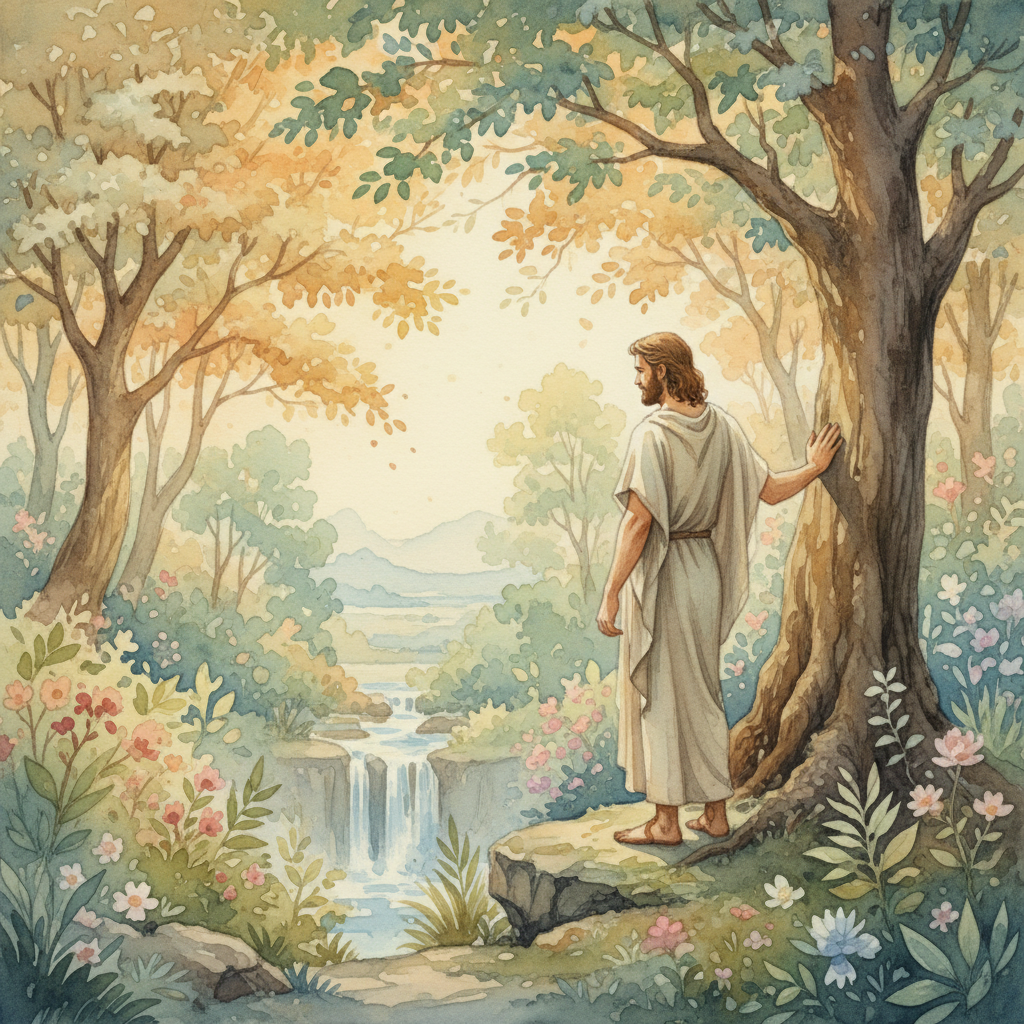
Another significant aspect is Adam’s reaction after sin. When God asks, "Where are you?" (Gen. 3:9), Adam chooses hiding over repentance. Then he shifts blame, referring to the woman God gave him: "The woman you put here with me—she gave me some fruit" (Gen. 3:12). Sin not only breaks our relationship with God but clouds our sense of responsibility and distorts our communication.
This scene remains very relevant for today’s Christians. When we fail, we often prepare excuses rather than coming directly to God. We hide behind busyness, circumstances, the attitudes of others, or our own personalities. But true restoration begins not with hiding but with honesty before God. Reflection is about training ourselves to stand before God without pretense.
However, Adam's story does not end in despair. God approaches Adam and Eve after their sin, showing not only judgment but also mercy. Genesis 3:21 says, "the LORD God made garments of skin for Adam and his wife and clothed them". Humans could not cover their shame on their own, but God provided coverings. Additionally, Genesis 3:15 contains a promise regarding the woman’s offspring, seen as a prophecy pointing toward the coming Savior. Though sin entered through Adam, grace opened the way through Christ.
Paul clarifies this: "For as in Adam all die, so also in Christ shall all be made alive" (1 Corinthians 15:22). The deeper we understand Adam, the clearer our need for Jesus becomes. He obeyed where the first Adam failed. By reading Genesis through this lens, the importance of reading the whole Bible becomes even more evident. Scripture is not a collection of disconnected stories; it is one grand narrative of God's redemptive plan from the fall to salvation.
Contemplating Adam does not just weigh us down. Instead, it offers hope—that we can still turn back to God's Word today. Obedience begins not with massive decisions but with not dismissing what God has already spoken. Responsibility isn’t about being perfect but about coming to God anew when we fall.
As you reflect on Adam’s story today, consider asking yourself:
- Is there an area where I have recently prioritized my own judgment over God’s Word?
- When I realize I’ve failed or sinned, do I honestly come before God, or do I hide and make excuses?
- How much am I holding onto the greater obedience and grace of Christ compared to Adam’s failure?
Adam’s story does not end with human failure. The Bible doesn’t stop at showing the beginning of sin but directs our gaze to Christ who bears that sin. Therefore, even when we see our weaknesses, we shouldn’t despair but fix our eyes on the victorious Lord and come before God again.
Rules:
- Use a natural English tone (avoid literal translations)
- Maintain markdown formatting (##, -, [], etc.)
- Do not alter internal links (/tools/today, etc.), only translate the link text
- Do not change the image markdown (
)
- Bible verses use the typical versions in English (e.g., NASB, ESV, NIV, etc.)
Related articles
What Genesis 5 Records from Adam to Noah
Genesis 5 records how Adam’s descendants continued from the human created in God’s image, and tells of Enoch’s walk with God and Noah’s birth.
Revisiting Cain's Story: Standing at the Door of Jealousy and Sin
Through Genesis 4, we explore jealousy, anger, worship, and the warning of sin. Contrasting Cain’s path with Christ's, this meditation prompts us to reflect on our hearts and obedience today.
Questions Begun in Eden: Reading Human Sin and the First Light of the Gospel through Eve’s Life
Following Eve’s life, we explore the dignity of creation, the destructive power of sin, and the promises of the gospel shining through Genesis. This reflective piece helps us contemplate human fallenness and God’s redemptive plan biblically.
 Bible Habit
Turn this article into today’s reading habit
Keep your McCheyne plan, sequential reading, notes, and progress together so the next passage is always clear.
- Today’s passages
- Reading checklist
- Notes and highlights