

The Meaning of Baptism and a Changed Life
Baptism does not cause salvation; rather, it is a mark of faith that believers in Jesus Christ publicly display before the church. Following Matthew 28, Acts 2, and Romans 6, we quietly explore the biblical significance of baptism and how it transforms our lives today.
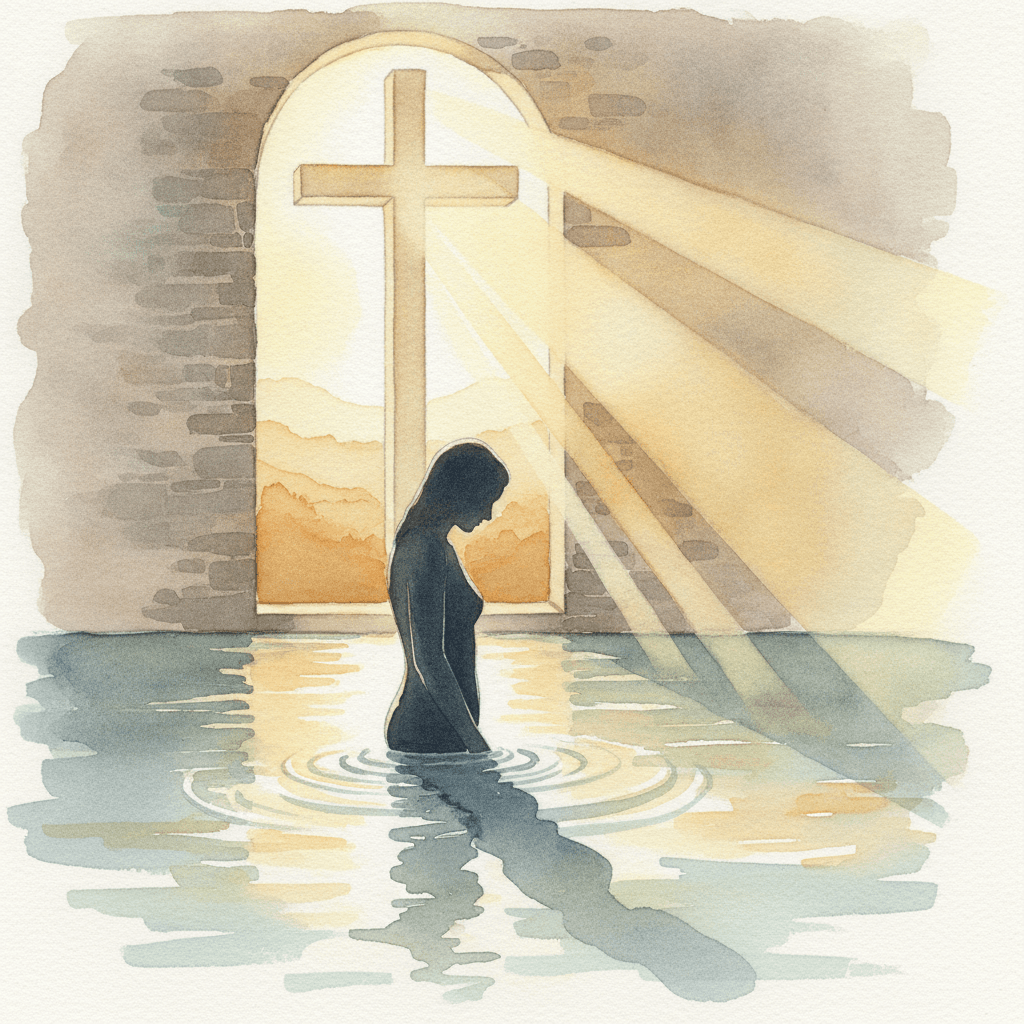
The Meaning of Baptism and a Changed Life
The more frequently we hear certain words in church, the more their meanings can become obscured. Baptism is no exception. For some, baptism appears as a ritual to be undergone when starting a faith journey, while others may feel that the water itself holds special power. However, the biblical understanding of baptism is clearer. It is a sign that those who believe in Jesus Christ now belong to the Lord, publicly declared before the church.
The starting point of baptism is not human custom but the Lord's command. After His resurrection, Jesus told His disciples, “Go and make disciples of all nations, baptizing them in the name of the Father and of the Son and of the Holy Spirit” (Matthew 28:19). Baptism is not an optional decoration; it is an act of obedience at the heart of making disciples.
Reading the Book of Acts, we see vividly how this command was put into practice within the church. Those who heard Peter’s sermon on Pentecost felt convicted, and Peter proclaimed, “Repent and be baptized, every one of you, in the name of Jesus Christ” (Acts 2:38). The sequence of hearing the gospel, repenting, believing in Jesus, and publicly confessing that faith unfolds naturally. Baptism is not a private secret resolve but a public declaration that the gospel has transformed an individual’s life.
Nevertheless, baptism itself does not save a person through the physical act. Salvation is only through Christ’s cross and resurrection, and we receive this grace through faith. The Bible says, “Believe in the Lord Jesus, and you will be saved—you and your household” (Acts 16:31). Baptism does not cause salvation but serves as a sign given to those who already believe in the gospel. While it’s not the whole journey itself, it clearly indicates which path one now follows.
Paul deeply explains the meaning of baptism in Romans 6. After stating, “We have been buried with Him through baptism into death,” he adds, “so that, just as Christ was raised from the dead through the glory of the Father, we too may walk in newness of life” (Romans 6:4). The act of going beneath the water and rising again is not mere formalism; it’s a confession of breaking away from the old self and living in Christ’s resurrection life.
Therefore, baptism is not a reward for being perfect without sin. Instead, it signifies that even sinners cling solely to Christ’s grace. This sometimes leads to misunderstanding—either expecting baptism to automatically mature one’s faith or thinking that because of shortcomings, one should delay baptism. But the biblical perspective is different. Baptism is not a medal of completion but a confession of faith. It’s not about being flawless but trusting in the Lord who accepts us despite our imperfections.
Reflecting on the early church’s history, this meaning becomes even clearer. Baptism back then was not a light religious ceremony; confessing Jesus as Lord could bring danger. It involved risking family disapproval, social disadvantages, and sometimes persecution. So, baptism was not just a ritual driven by social atmosphere, but a clear declaration: I now serve a different Lord.
It’s also essential to understand that baptizing in the name of the Triune God is significant. Baptism isn’t a vague religious act; it’s a confession of entering the true God’s name—Father, Son, and Holy Spirit—trusting in the true God. The church’s long-standing emphasis on this points to the importance of this truth. When the meaning of baptism becomes unclear, the contours of the gospel can also become blurred.
What does this sign mean for someone who has already been baptized today? Baptism is not just a memory preserved in a photo album. It’s a mirror reflecting our speech, choices, relationships, and habits today. It reminds us that we are not free to live as we please but are bought with Christ’s blood and belong to Him.
In moments when hiding minor mistakes seems easier, or when snapping at loved ones and excusing it as tiredness, or in online spaces when we throw around exaggerated or light insults, baptism quietly questions us: Who do you belong to? Aren’t even your words and fingertips the Lord’s?
Baptism is not a magic spell preventing sin. Rather, it’s a reminder that we can’t treat sin lightly. It’s a call not to despair when we stumble but to return to repentance. Being baptized does not mean I am now perfect; it means even amid mistakes and sins, there is a clear path back to the Lord.
Thus, the meaning of baptism does not end at the waters. It continues in the hymns we sing in worship, our obedience before the Word, our way of handling finances, and how we treat others. When we find it difficult to forgive someone, prioritize our pride, or distort the truth to avoid loss, baptism reminds us of the new life. It refocuses us on what it means to live as those belonging to Christ, not reacting like the old self.
If you’re preparing for baptism, ask yourself: Are you taking this step to appear okay before others, or to confess that Jesus Christ is your only Savior? Baptism is not a religious ritual to build reputation but a confession of faith. It’s the words of a person in need of grace, not perfection.
Even if you were baptized long ago, life can sometimes feel disconnected from faith. But that doesn’t mean the meaning of baptism has vanished. Instead, it can be a signal that the Lord is calling you back to the gospel. Read Romans 6 slowly, meditate again on Acts 2 where repentance and baptism are proclaimed together, and feel free to explore more through 성경 읽기 or 오늘의 말씀. The written Word always centers us when our faith feels dormant.
Baptism is a deeper story than just water. It encompasses union with Christ’s death and resurrection, belonging to the Triune God, and walking as a disciple who manifests faith within the church. Today, instead of just recalling the moment of your baptism when you start or end your day, bring its meaning into your current choices. Remembering which king’s people you belong to can start a simple, ordinary day to be lived differently—more like a royal person, grounded in faith.
 Bible Habit
Turn this article into today’s reading habit
Keep your McCheyne plan, sequential reading, notes, and progress together so the next passage is always clear.
- Today’s passages
- Reading checklist
- Notes and highlights