

One-Month Bible Summary: A Reading Plan to Guide Your Full Reading
The one-month Bible summary is not a substitute for reading through the Bible but an introductory step that helps grasp the overall flow. Following the storyline from creation to new creation, this plan organizes practical steps and routines to read the entire Bible accurately within a month.
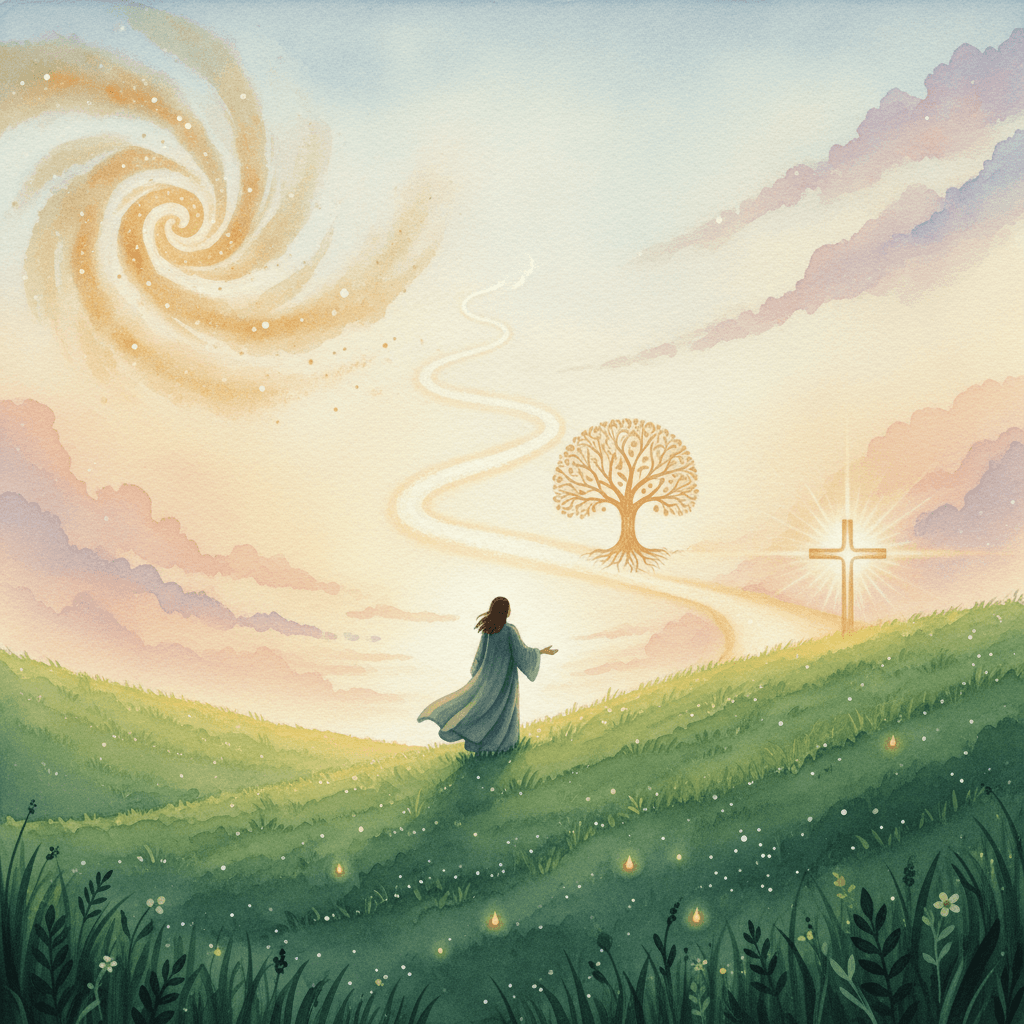
One-Month Bible Summary: How to See the Bigger Picture Instead of Just Speed Reading
When people look for a "One-Month Bible Summary," they usually have two intentions: a longing to see the Bible's big picture at a glance, and feeling overwhelmed about where and how to start. What's important here is not to memorize every detail within a month, but to first grasp what kind of book the Bible is and understand its overarching flow. The Bible is not just a collection of scattered good sentences but the story of God's salvation history: from creation and fall, to covenant and redemption, all the way to new creation. After His resurrection, Jesus explained to His disciples that everything in Scripture, from Moses and the prophets, pointed to Him (Luke 24:27). Ultimately, the whole biblical narrative testifies about Christ.
Therefore, a "One-Month Bible Summary" isn't so much a "short reading alternative" but more like an "introductory overview." Looking at a map before walking a road helps with navigation, even though walking down alleyways is different from looking at the map. Similarly, understanding the big picture when reading the Bible helps even difficult books like Leviticus or Jeremiah find their place. Difficult books aren't necessarily useless; instead, knowing the overarching storyline helps you see where each book fits and its role.
Clarifying Concepts: What’s the Difference Between Summarized Reading and Full Bible Reading?
Typically, the one-month Bible summary involves briefly capturing the main events, central themes, and connections in salvation history for each book. In contrast, a Bible reading through the text itself involves reading the broad context and understanding it within its literary and theological setting. Extractive reading, or reading favorite passages, is like focusing on familiar or beloved sections. These three methods aren’t competing but serve different purposes.
- Summarized Reading: Strong on grasping the overall structure and big picture.
- Full Reading: Allows deeper understanding of context, repetitions, and the author's intent.
- Extractive Reading: Easy to start with, but may cause you to miss the overall structure.
For beginners, summarized reading can serve as a good stepping stone. However, thinking that only summary is enough can be problematic. As Psalm 119:105 says, "Your word is a lamp to my feet and a light to my path," we are called not just to memorize key phrases but to let God's Word illuminate our entire life journey. Summary is like entering the house, and full reading is actually walking inside. If the summary guides the direction, full reading helps us experience the depths of God's Word within that path.
Practical Steps to Grasp the Big Picture Within One Month
Breaking down 30 days into four parts helps make the process less overwhelming. In the first week, start from Genesis to Deuteronomy, laying the foundation of creation, fall, covenant, exodus, and law. The key questions are: "What kind of God is He, and why do humans need salvation?" Recognizing God's holiness, human sinfulness, and the beginning of the covenant naturally connects to later books.
In the second week, follow the historical flow from Joshua to Esther, including some Psalms and Wisdom literature. The flow of entering the promised land, chaos during the judges, the start and split of monarchy, exile, and restoration unfolds. In this section, the limits of human leadership and God's faithfulness are repeatedly highlighted.
In the third week, read from Isaiah to Malachi, focusing on God's warnings about sin and His promises of restoration. The prophets are not just difficult texts; they are words that, within the context of the covenant, confront the people's disobedience and look forward to the coming Messiah. Remember that judgment and hope coexist in these writings, clarifying their structure.
In the final week, move on to the Gospels, Acts, the Epistles, and Revelation, focusing on Christ's incarnation, crucifixion, resurrection, the birth of the church, and the future realization of God's kingdom. The heart of this section is seeing how the Old Testament promises and symbols are fulfilled in Christ. This final phase isn’t just a conclusion but the climactic center of the entire Bible.
In following this plan, emphasizing the connection and flow over sheer reading volume is crucial. If you prefer a structured schedule, you can refer to the 365-Day Reading Plan and adjust it for a month. If you'd like to assess your current position and plan accordingly, using the Progress Calculator can help. The most important thing is establishing a daily rhythm of engaging with God's Word, not just keeping up with others.
Practical Routine to Establish Consistent Reading Habits
A one-month plan relies more on rhythm than sheer willpower. The most practical routine is: "20 minutes of reading, 5 minutes of summarizing, and one sentence of application." First, read the assigned Scripture for 20 minutes. Then, jot down a brief summary (no more than three lines), capturing the main point, e.g., "Even in human repeated sins, God remains faithful to His covenant." Lastly, write a single sentence on how this applies to your life today. Keep it short; longer notes are harder to maintain.
Adding one more step helps as well: once a week, review what you've read and reflect on "what themes are recurring?" You will notice topics such as sin, judgment, grace, promises, obedience, and restoration appear repeatedly—that's the core message of the Bible. Paul said in Romans 15:4, "For whatever was written in earlier times was written for our instruction, that through perseverance and the encouragement of the Scriptures we might have hope." Bible reading isn't about accumulating information but learning patience, comfort, and hope through God's truth.
When your habit falters, it’s also important to let go of perfectionism. Don’t give up your plan entirely if you miss a day—just pick up where you left off. To refine your daily routine, you might also refer to 7 Tips for Building a Bible Reading Habit. Ultimately, the goal isn’t just to read a lot but to develop a consistent attitude of standing before God's Word.
Essential Criteria to Not Miss When Doing a Summary Reading
A common mistake in the one-month Bible summary is reading the Bible like a collection of good lessons. But the core of Scripture is not just about "how I can become a better person," but about God's grace in saving sinners. The Old Testament prefigures Christ to come, and the New Testament proclaims the One who has come. So, regardless of which book you're reading, ask: "How does this passage reveal God's holiness, human sinfulness, and the need for Christ?" When you do, your summary won't be superficial.
Furthermore, summary reading isn’t about simplifying the Bible but about focusing on its core truths. If you focus only on emotionally moving phrases or topics you like, you might drift away from the Bible's central messages. Remember that the Bible reveals who God is, what human beings are like, and how glorious and certain salvation in Jesus Christ is. When this standard remains steady, summary reading naturally flows into full, comprehensive reading.
In the end, what matters is not completing the plan perfectly but keeping your direction aligned. It’s okay if the chapters you read today aren’t vividly remembered; the key is to reconnect yourself to the great flow of God's Word. A one-month summary isn't an endpoint but a beginning. If this month's reading helps you love the Bible more, stay more present with God's Word, and see Christ more clearly, then it’s already a success.
Rules:
- Maintain a natural English style (avoid literal translation)
- Keep markdown format (##, -, [], etc.)
- Do not change internal link paths (/tools/today, etc.)—only translate link text
- Never alter image markdown (
)
- Use appropriate Bible versions for citations (e.g., ESV, NIV, NRSV depending on context)
Related articles
How to Choose a Bible Reading App That Lasts
What should you consider when selecting a Bible app? Today, we review accessibility, note-taking and progress tracking, notifications, and interface design to establish criteria for cultivating a lasting habit of Scripture reading.
Reading Through the Old Testament: Begin with the Flow of Each Book
This guide to reading the Old Testament explains why it can feel overwhelming and organizes the broad flow of the Pentateuch, historical books, wisdom books, and prophets together with a daily routine for continuing steadily.
Criteria for Choosing a Bible Reading App and How to Use It Daily
A guide on how to select a Bible reading app based on meaningful criteria and how to build a sustainable daily routine. Focusing on the centrality of the Word, reading flow, and record-keeping habits to help Scripture become a part of life.
 Bible Habit
Turn this article into today’s reading habit
Keep your McCheyne plan, sequential reading, notes, and progress together so the next passage is always clear.
- Today’s passages
- Reading checklist
- Notes and highlights