

Knowing Caesarea Clarifies the Courtroom and Gospel in Acts
By exploring the history of Caesarea Maritima and key scenes in Acts, including Cornelius's conversion and Paul’s trials, this article outlines how the gospel spans beyond Jewish boundaries and expands to all nations.
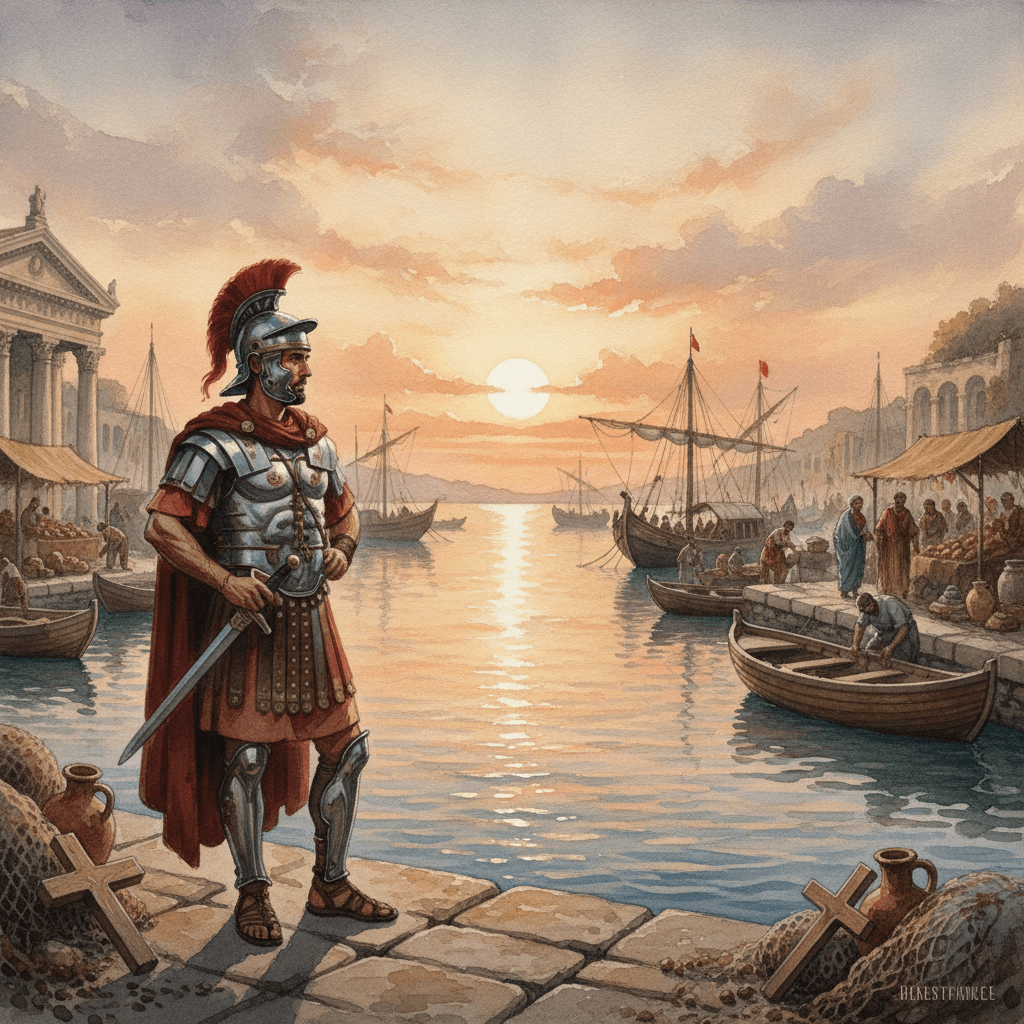
Knowing Caesarea Clarifies the Courtroom and Gospel in Acts
As you read the Bible, you’ll notice that Caesarea isn’t just a fleeting mention; it marks a turning point where the gospel crosses from Jewish territory into the wider Roman world. Today’s commonly referenced Caesarea is not Caesarea Philippi in the north of Galilee, but Caesarea Maritima, a port city along the Mediterranean coast. Built by King Herod to honor the Roman Emperor Augustus, this city bears a name intertwined with imperial politics, reflecting its significance. When considering the meaning of Caesarea, it’s essential to see it not simply as a geographic location, but as a symbol of Roman power and imperial authority.
Historically, this city was a vital administrative hub in the ancient Judean region. Herod developed a large artificial harbor on a modest natural bay and established a city with Greek-Roman city planning—featuring palaces, theaters, stadiums, and temples. The fact that Roman procurators, including Pontius Pilate, primarily resided in Caesarea rather than Jerusalem underscores its importance. Discoveries of inscriptions bearing Pilate’s name confirm the biblical account of Roman governance rooted in genuine history. Understanding this background helps us see why many scenes in Acts unfold here, making their historical context much clearer.
Caesarea’s significance first shines brightly in Acts 10. "There was a man in Caesarea named Cornelius, a centurion of what was known as the Italian Cohort" (Acts 10:1). Cornelius was linked to the Roman military, and it was here that he received the Gospel. This is no coincidence. Instead of Jerusalem, a Jewish religious center, the gospel is opening in a port city infused with Roman administrative and military culture—an outsider is welcomed into faith. When Peter states, “God shows no partiality” (Acts 10:34), it resonates more deeply when read in this context. The gospel isn’t being pushed out of Jerusalem; rather, it enters the most symbolic Gentile city at God's appointed time.
This event isn’t just about one man’s conversion. The scene where the Holy Spirit falls on Cornelius’s household vividly demonstrates that God’s salvation extends to Gentiles as well. As faithful evangelicals affirm, salvation isn’t based on ethnic background or human effort, but solely through faith in Jesus Christ. What happens in Caesarea signifies more than the expansion of the gospel’s reach; it reveals the universal plan of salvation that God had established from the beginning—manifested clearly through history.
Furthermore, Caesarea is also central to understanding Paul’s ministry and trials. After Paul's arrest in Jerusalem, he is taken to Caesarea, where he defends himself before Governor Felix and later Festus. He also testifies before King Agrippa. Reading Acts 23–26, we see that this city isn’t just a transit point, but a stage where the gospel is publicly testified. Paul boldly proclaims Christ within a legal framework established under imperial authority, ultimately opening a path to Rome. To grasp this flow fully, it’s helpful to read Acts 10 and 23–26 together in Bible Reading, as they reveal how this same city encompasses both Cornelius’s conversion and Paul’s trials—interwoven events demonstrating God's expanding work.
What’s crucial here is that Paul isn’t merely defending himself. His testimony centers on the risen Jesus Christ. The focus of Acts isn’t just demonstrating Paul’s innocence, but showing that the gospel is not silenced in any setting. The courtroom in Caesarea, though a seat of worldly authority, does not silence God’s Word. This exemplifies the boldness believers should have when sharing the gospel in the world.
Culturally, Caesarea was a city of mixture. Although located in Jewish territory, its atmosphere was very different from Jerusalem. Latin administration, Greek language, military presence, vibrant commerce, and traces of emperor worship thrived there. Knowing this background reveals the tension early Christians faced. The gospel was not only religiously unfamiliar but also culturally and politically charged within such a city. Caesarea isn’t just a secular city; it’s a place where the gospel penetrates the heart of imperial and worldly structures, making it a living example of God’s work in history.
By using AI Bible Search to look up “Caesarea,” “Cornelius,” “Felix,” and “Festus,” readers can see how these passages connect. Additionally, adopting habits from articles like Bible Reading that Guides the Whole Story helps to see how each place and event fits into the overarching narrative. The Bible isn’t a collection of disconnected incidents but a carefully woven history showing how God’s gospel expands.
Interpreting Scripture this way offers clear benefits: First, Caesarea highlights the universal scope of the gospel—bringing both Jews and Gentiles into salvation without distinction. Second, it demonstrates the historical reality of the gospel through real settings: governors, soldiers, ports, and legal proceedings. Third, Caesarea illustrates the boldness of the gospel—powerful even within the symbols of empire. Fourth, understanding Caesarea deepens our grasp of Acts’ structure, as Peter’s and Paul’s ministries intersect and develop in this key city, showing that God’s message is spread through varied routes.
Today, we also face a question: should faith remain a quiet personal matter, or must it also be visible amidst worldly power and order? Caesarea points clearly to the latter. God called people in the most Roman-like city and allowed believers to testify in courtrooms. Therefore, believers should not shrink back before unfamiliar cultures or authority structures but remember that the gospel transcends boundaries and works through all circumstances. In a nutshell, Caesarea was the stage where God’s gospel crossed borders and authority to reach all nations. Today, are we willing to proclaim Christ boldly, even in unfamiliar settings? Understanding Caesarea isn’t merely expanding historical knowledge; it actively helps us see God’s ongoing salvation work through Acts more clearly.
 Bible Habit
Turn this article into today’s reading habit
Keep your McCheyne plan, sequential reading, notes, and progress together so the next passage is always clear.
- Today’s passages
- Reading checklist
- Notes and highlights