

The Meaning of Circumcision: Reading with a Heart of Obedience
This article explores the meaning of circumcision within the overarching narrative of the Bible. It examines why circumcision, which began as a sign of the covenant with Abraham, is linked to heart obedience and faith in the New Testament—and how it relates to our faith life today.
The Meaning of Circumcision: Reading with a Heart of Obedience
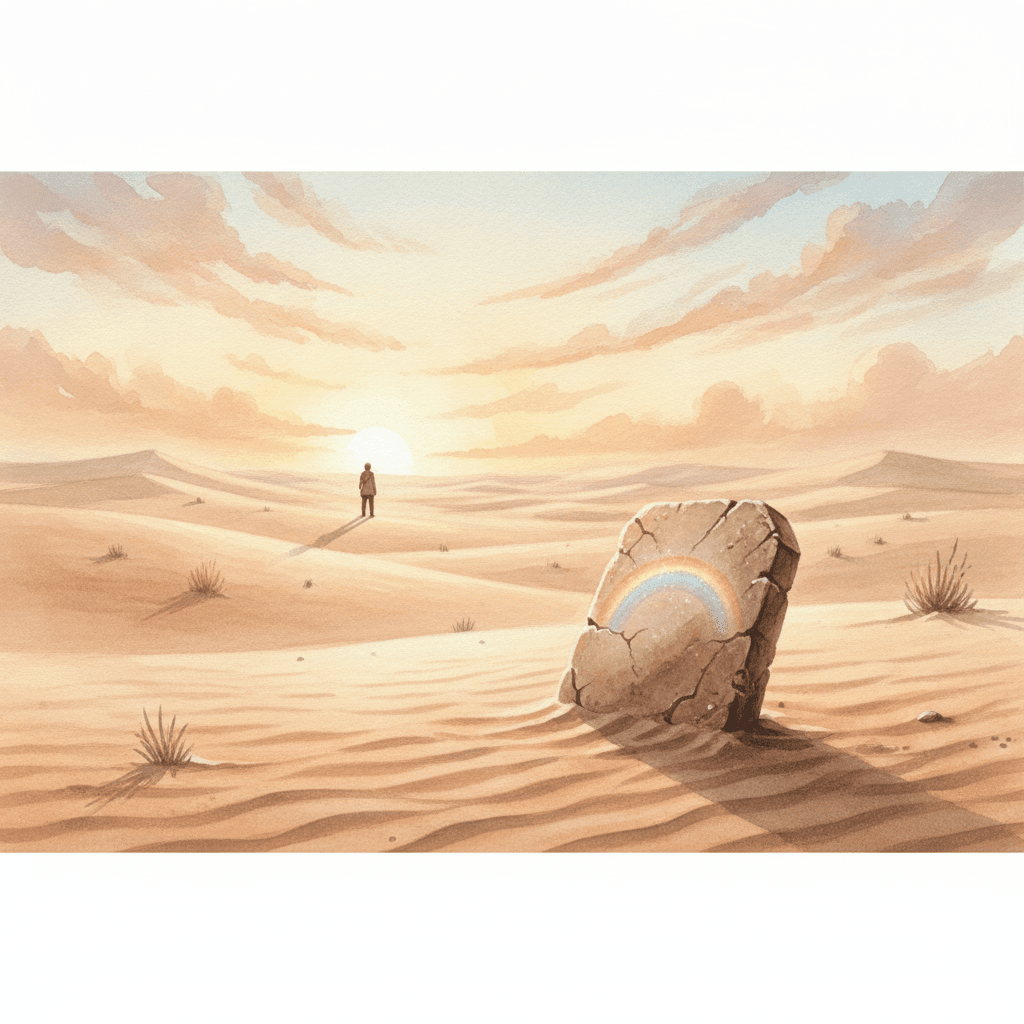
Throughout the Bible, the term 'circumcision' appears frequently. It can be jarring as an unfamiliar concept, but it’s a subject deeply connected to the entire biblical narrative that’s worth reflecting on. Circumcision was not merely an ancient custom; it was a sign that the people belonged to God. Yet, the Bible doesn’t stop there—it takes us deeper. Instead of focusing solely on a physical mark, it prompts us to consider the condition of our hearts before God.
In the Old Testament, circumcision appears alongside God's covenant with Abraham. God first called and promised Abraham—giving him descendants and stating that through him, blessing would flow to many nations on earth. Circumcision was a visible sign to remind them of that promise. The key point is the order: God's promise precedes human action. The sign was not a device to create grace but to serve as a reminder of the already established covenant.
Missing this point can easily lead to distorted faith. People tend to cling to visible signs for reassurance. Perhaps they attend worship regularly, are familiar with common religious language, or serve within the church, and thereby assume they are okay. However, the Bible consistently looks inward, examining the heart. What God seeks is a heart that revere Him, not merely a mark or outward sign.
This is why Moses exhorts Israel: ‘Circumcise therefore the foreskin of your heart, and be no more stiff-necked’ (Deuteronomy 10:16). This is a stark command, even for those already called God's people. Outward appearances can resemble God's people, but inwardly, their stubbornness persists. Listening to God's Word without surrendering, ignoring warnings without repenting, and substituting familiarity for obedience—these reflect that very posture.
Similar issues arose during Jeremiah’s time. People were complacent, trusting the temple’s existence and external religious practices to protect them. But the prophet rebuked a faith that hadn’t turned their hearts toward God. Repeatedly, scripture shows a scene where rituals remain, but reverence fades, outward signs are present, yet repentance is absent. God exposes these cracks.
In the early church, the debate over circumcision become a practical conflict. For Jewish believers, circumcision had long been a marker of their identity. But as Gentile believers joined the church, a question arose: Should they adopt the same external sign to become part of God's people, or was faith in Jesus Christ enough?
Acts 15 describes this tension carefully. At the Jerusalem Council, apostles and elders discussed the matter. Peter testified that God had given the Holy Spirit to the Gentiles and purified their hearts through faith. Ultimately, the church decided not to impose circumcision as a requirement for salvation. This was not merely a matter of tradition but a declaration that salvation depends on faith in Jesus Christ, not physical signs.
Paul echoes this perspective: ‘For he is not a Jew who is one outwardly, nor is circumcision that which is outward in the flesh; but he is a Jew who is one inwardly, and circumcision is that of the heart—by the Spirit, not by the letter’ (Romans 2:28-29). This isn’t dismissing outward signs as worthless but highlighting that the true substance behind them is what truly matters. The sign of belonging to God cannot be divorced from a heart of obedience.
In Colossians, Paul further states, ‘In Him you were also circumcised with the circumcision made without hands, by putting off the body of the sins of the flesh, by the circumcision of Christ’ (Colossians 2:11). The focus here directs us more clearly toward Christ. The true transformation is having the old self removed and a new life given in Him. The shadow of circumcision passes; its reality is made clear in Christ.
At this point, we must be careful not to misunderstand. The New Testament is not advocating another religious achievement to substitute for bodily signs. Heart circumcision is not about self-discipline to earn God’s approval. It’s about a transformation through the gospel. It’s a turning away from sin, releasing our grip on self-righteousness, and responding with repentance before God's Word. It’s a deeper, more painful, yet more authentic change than external appearances.
This concept often translates into daily life as well. For instance, when someone’s words hurt our pride, we might superficially brush it off, but inwardly, we could harbor resentment. Or on Sundays, we put on a pious face, but during the week, compromise in small things for personal gain. In such moments, what’s needed isn’t a more convincing facade but honest recognition of stubbornness that needs to be cut away.
The same applies at home. We may tell our children to live according to God's Word, but our tone is sharp. We hide feelings of disappointment from our spouses behind a facade of normalcy. At work, we appear diligent, but inside, we’re consumed with comparison and resentment. Heart circumcision asks us: Are we clinging to appearances or submitting in obedience? What needs to be cut away before God?
Seeing the biblical flow through this lens highlights that God’s initial purpose wasn’t merely to set His people apart as a distinct group. His desire was for their hearts to turn to Him and for their lives to reflect His holiness. Signs were necessary but insufficient on their own. Both the Old Testament’s calling and the New Testament’s gospel lead us back to the same core: those who belong to God exist in a living relationship of obedience from the heart.
Today, physical circumcision no longer marks covenant people. But that doesn’t make faith any lighter. In fact, it leaves us with even more profound questions: Am I someone content with outward religious forms, or have I truly been touched by the gospel? Do I still feel conviction when hearing His Word? Am I postponing repentance, even knowing I should?
These questions can feel heavy, but avoidance isn’t helpful. God is not merely judging us but illuminating us to truly renew us. When we see a hardened heart, we shouldn’t hide it but bring it before Him. The gospel’s power is not in outward appearances but in transforming the inner person.
Thinking about the meaning of circumcision ultimately links us back to reaffirming the gospel. I am someone not merely relying on external marks but living by Christ’s grace. God seeks to strip away stubbornness hidden behind religious safety and lead us in genuine obedience. It’s a good practice today to carry that question in your heart: Is my faith merely about outward forms, or am I truly being shaved and softened before God?
Related articles
 Bible Habit
Turn this article into today’s reading habit
Keep your McCheyne plan, sequential reading, notes, and progress together so the next passage is always clear.
- Today’s passages
- Reading checklist
- Notes and highlights