

An Overview of Ecclesiastes and the Center of Life
An at-a-glance reading of Ecclesiastes that, amidst repeated vanity, anchors a life revering God. Carefully explores the structure, key verses, and applications for today.
An Overview of Ecclesiastes and the Center of Life
When you first read Ecclesiastes, you might feel a bit overwhelmed. The phrase, “Vanity of vanities, all is vanity” (Ecclesiastes 1:2), sounds so strong. Some might see this book as one of despair. However, Ecclesiastes is not a book aiming to destroy faith; rather, it honestly shows how easily things held without God can crumble.
The speaker in Ecclesiastes, often called the “Preacher,” broadly examines the human experience under the sun. He looks at toil, wisdom, pleasure, wealth, authority, youth, old age, and death without avoidance. The discomfort in this perspective arises because we also harbor similar expectations—that more possessions will bring security, recognition will bring stability, and plans will bring peace. Ecclesiastes quietly, yet sharply, questions whether these can truly be the foundation of life.
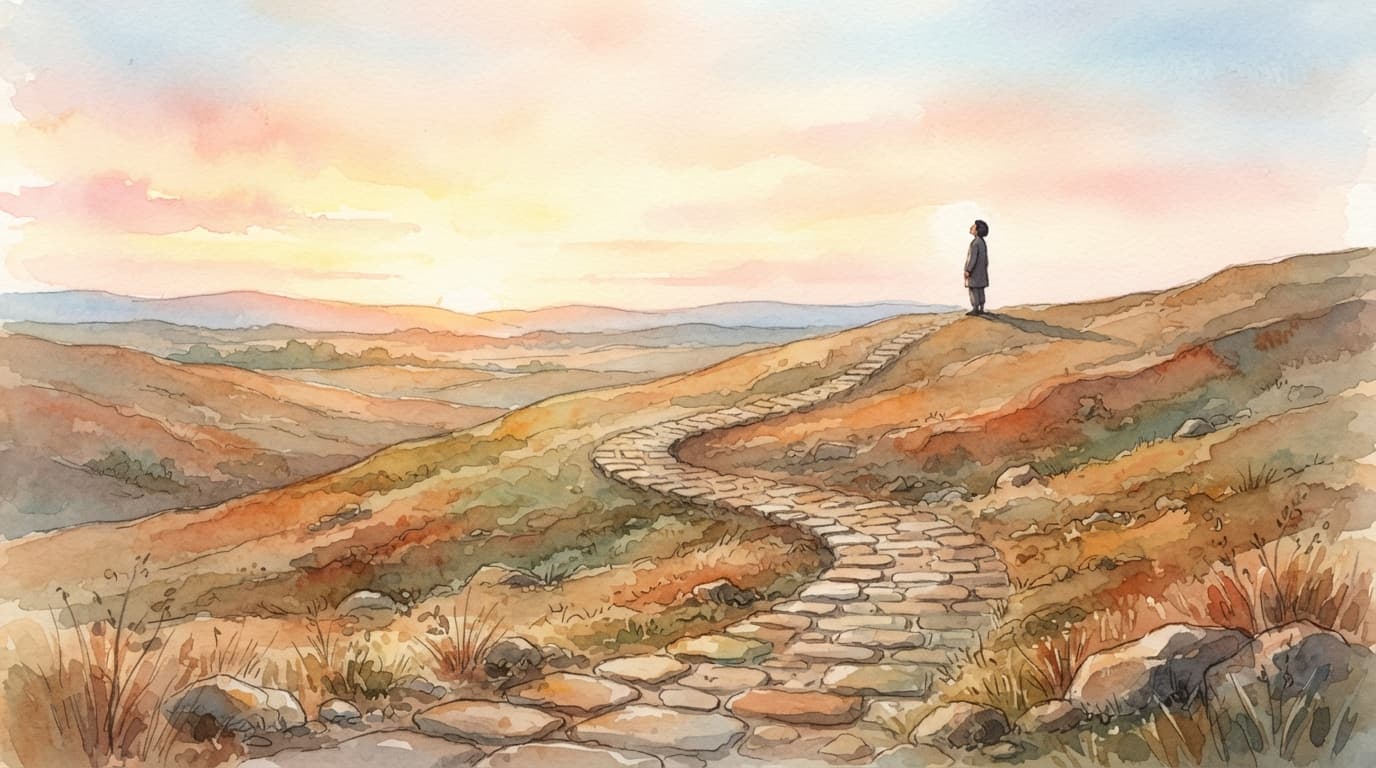
In the beginning, the Preacher perceives a world of repetition and circles: “One generation passes away, and another generation comes, but the earth remains forever” (Ecclesiastes 1:4). The sun rises and sets, the wind blows around, rivers flow—but the sea is never full. Human busyness is extensive, but this activity alone cannot endow life with eternal meaning. Here, an essential perspective of Ecclesiastes is revealed: the problem isn’t the existence of the world, but humans’ tendency to ascribe eternity to creation.
Thus, the Preacher examines various paths himself. He tries joy and pleasure, enjoys great ventures and wealth, and pursues wisdom. But ultimately, he concludes, “I have seen all the work that is done under the sun, and indeed, all is vanity and grasping for the wind” (Ecclesiastes 1:14). This doesn’t mean that nothing has value. Rather, it shows that substituting anything for God leaves it elusive, no matter how tangible it seems.
A common misunderstanding when reading Ecclesiastes is to interpret the mention of joy as a permission to indulge in worldly pleasures freely. However, the joy in Ecclesiastes points back to a gift—when daily meals, work, small rests, and gratitude are recognized as coming from God's hand. When these moments are viewed as gifts from God, they find their proper place.
The book also offers a fresh perspective on time: “There is a time for everything, and a season for every activity under the heavens” (Ecclesiastes 3:1). We often feel hurried, thinking it’s too late, or delay, thinking everything is okay for now. Ecclesiastes reveals how uncertain and stressful living solely according to our own timetable can be. The question remains—are we trying to control results, or are we trusting in God’s timing and choosing obedience today?
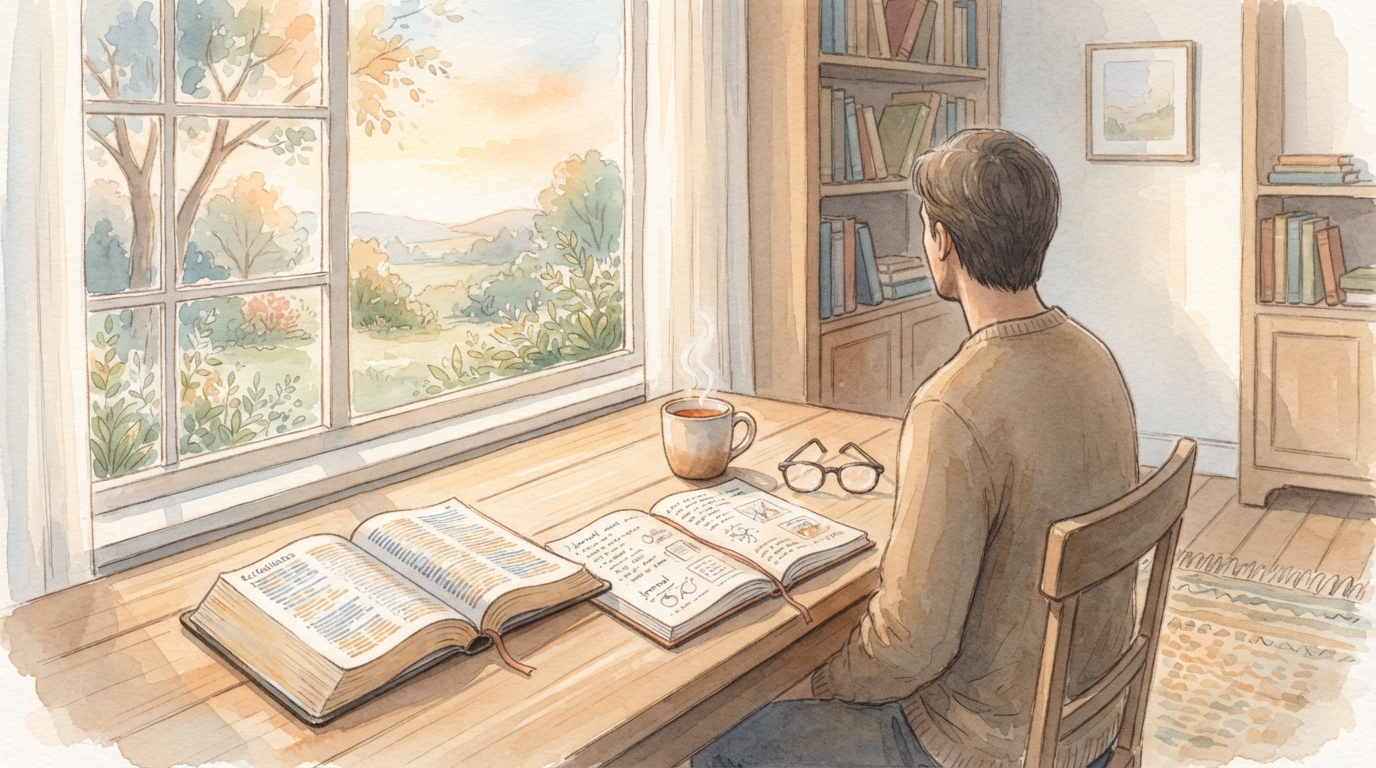
Ecclesiastes 3:11 is particularly profound: “He has made everything beautiful in its time. Also he has put eternity into man's heart, yet so that he cannot find out what God has done from the beginning to the end.” Human beings can’t be fully explained by salaries, achievements, relationships, or hobbies alone, because within us is a thirst for eternity. That’s why, in busy days, it’s important to slowly read through Ecclesiastes, one chapter at a time, and hold onto a verse that speaks to your heart. Slowing down to examine what expectations are guiding your current life is more important than rushing.
Ecclesiastes does not ignore death. Both the wise and the foolish face death eventually. This truth isn’t meant to despair but to humble pride. It helps us identify what we truly must hold onto. It guides us to discern whether it’s a day to be angry, to yield, to earn more, or to stop and give thanks. As a result, Ecclesiastes doesn’t shrink life but clarifies it.
Toward the end, the Preacher finally clarifies the core message: “Fear God and keep his commandments, for this is the whole duty of man” (Ecclesiastes 12:13). The conclusion of Ecclesiastes is not despair but reverence. When our hearts feel unstable, it’s often because the weight of life has overshadowed our focus. During such times, start your day by reading today’s verse, and pause with a sentence from Ecclesiastes before beginning your daily routines. Small acts of obedience can transform a busy day.
Ecclesiastes does not give all the answers quickly; instead, it encourages us to let go of mistaken ones. It acknowledges that success, pleasure, and even wisdom cannot replace God’s place. Only then can true peace begin. When reflecting on meditation, Ecclesiastes invites us to confront the fundamental question of where our center truly lies. It’s a call to read not just passing through, but to realign your focus on life.
If you open Ecclesiastes today, remember the final conclusion: “Fear God and keep his commandments, for this is the whole duty of man” (Ecclesiastes 12:13). What in your current pursuits, worries, or goals has taken a place above God? Facing that question honestly is the beginning of truly understanding Ecclesiastes.
Rules:
- Use natural English style (avoid literal translation)
- Maintain markdown format (##, -, [], etc.)
- Keep internal links (/tools/today, etc.) unchanged, only translate link text
- Do not modify image markdowns (
)
- Use the typical English Bible version for quotations (e.g., ESV, NIV, etc.)
Related articles
What Kind of Life Does God Require in Deuteronomy 10?
Deuteronomy 10 traces a path from the rewritten stone tablets to the command to love foreigners, revealing what it means to fear and serve God.
Why the Midwives Disobeyed the King’s Command in Exodus 1
In Exodus 1, we examine why Shiphrah and Puah disobeyed the king of Egypt and saved the baby boys, and one choice to examine today.
How Did Abraham’s Test End in Genesis 22?
In Genesis 22, God tested Abraham and kept him from laying a hand on Isaac. We look at Abraham’s obedience and the ram God provided.
 Bible Habit
Turn this article into today’s reading habit
Keep your McCheyne plan, sequential reading, notes, and progress together so the next passage is always clear.
- Today’s passages
- Reading checklist
- Notes and highlights