

Why Does Exodus 13 Command Israel to Remember the Exodus?
In Exodus 13, God calls Israel to remember their deliverance from Egypt and pass it on to their children. Explore the meaning behind the Feast of Unleavened Bread and the consecration of the firstborn.
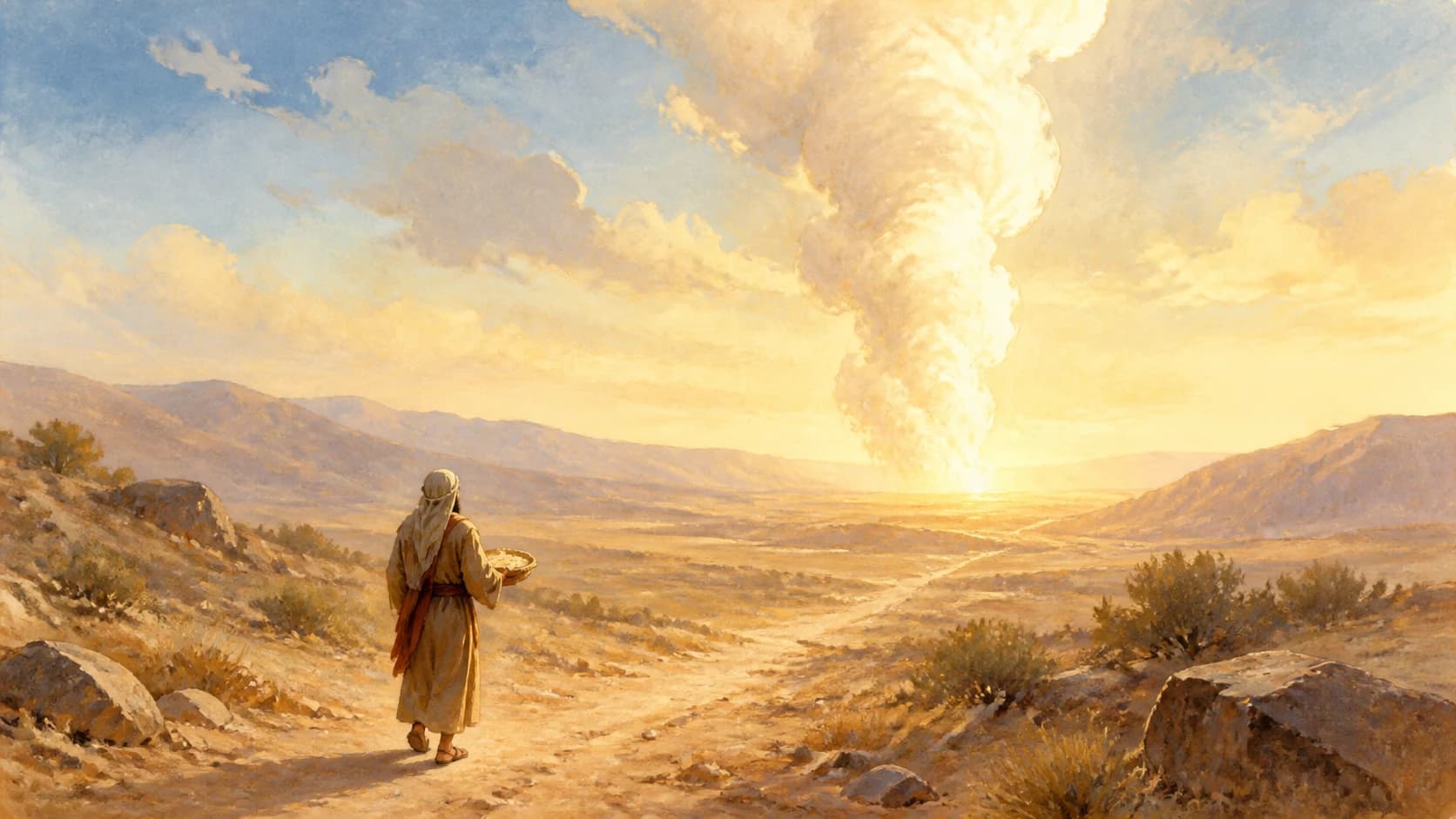
Exodus 13 calls Israel to remember how they came out of Egypt and to tell the next generation about it. God made sure they would not forget that He brought them out of the house of slavery by His mighty hand. This chapter brings together the regulations for unleavened bread, the consecration of the firstborn, and God’s guidance through the wilderness.
The Command to Remember the Exodus
Moses told the people to remember the day they came out of Egypt. They had left the house of slavery. He explained that this was not accomplished by human strength, but by the LORD, who led them out with power.
For this reason, Israel was to eat unleavened bread for seven days. During that time, no leavened bread or yeast was to be found among them. Even after they entered the land God had promised, they were to observe this ceremony in that month.
This command was not meant to end as a single moving experience. It was to be observed every year at the appointed time. The Exodus was a past event, yet it was something Israel was to keep remembering.
The Story to Tell When Children Ask
The passage speaks of the time when a child asks, “What does this mean?” Parents were to answer that the LORD brought them out of Egypt with a mighty hand.
The Feast of Unleavened Bread was also to be explained to children. Moses instructed the people to teach that this ceremony was observed because of what the LORD did for them when they came out of Egypt. God did not leave them merely with the practice of the command; He told them to pass on its meaning in words.
The passage says that the memory of the Exodus should be like a sign on the hand and a mark between the eyes, and that the law of the LORD should be on their lips. God wanted the deliverance from Egypt to be present in Israel’s everyday life and conversation.
Why the Firstborn Were Set Apart and Given to God
God commanded that the firstborn of people and animals be set apart as holy and given to Him. Every firstborn male belonged to the LORD. The firstborn donkey was to be redeemed with a lamb, and the firstborn sons of Israel were also to be redeemed.
Moses said that the reason for this command should be explained to children as well. When Pharaoh refused to let Israel go, the LORD struck down every firstborn in Egypt. Therefore, Israel was to sacrifice every firstborn male animal to the LORD and redeem every firstborn son.
Setting apart the firstborn was not a rule unrelated to the Exodus. It was a command meant to keep God’s work in Egypt in remembrance.
How God Led Them Through the Wilderness
After Pharaoh let the people go, God did not lead Israel by the shorter route through the land of the Philistines. The passage says this was because God knew the people might change their minds and return to Egypt if they saw war. Instead, God led them around by the way of the wilderness toward the Red Sea.
In the wilderness, the LORD went before the people. By day, He led them with a pillar of cloud. By night, He gave them light with a pillar of fire. The pillar of cloud and the pillar of fire did not depart from before the people.
After commanding Israel to remember the Exodus, the passage shows God actively leading them on their journey. The One who brought them out of Egypt remained before them in the wilderness.
One Thing to Do Today
Read Exodus 13 slowly today in Bible Reading. Afterward, write down this sentence from the passage once: “For with a strong hand the LORD has brought us out of Egypt” (Exodus 13:14, ESV). As you read, look for the event this chapter repeatedly calls Israel to remember.
Scriptural Basis
- Exodus 13:1–10
- Exodus 13:11–16
- Exodus 13:17–22
Related articles
Why Israel Could Not Claim to Have Gained the Land by Its Own Righteousness
Deuteronomy 9 explains that Israel did not receive the land of Canaan because of its own righteousness, pointing to the nation’s repeated rebellion in the wilderness and Moses’ intercession.
What Should a Small Nation Remember in Deuteronomy 7?
Deuteronomy 7 explains why Israel, though small in number, was to remember God’s deliverance from Egypt, reject other gods, and obey His commands when facing stronger nations.
Why Did Israel Pass Through Some Lands but Fight Sihon?
Deuteronomy 2 reveals the boundaries of God’s commands: Israel was to pass through the lands of Edom, Moab, and Ammon without conflict, but fight for the land of Sihon, which God had given into their hands.
 Bible Habit
Turn this article into today’s reading habit
Keep your McCheyne plan, sequential reading, notes, and progress together so the next passage is always clear.
- Today’s passages
- Reading checklist
- Notes and highlights