

What Happened After Pharaoh Rejected Exodus 5
In Exodus 5, we look at the process from Pharaoh’s rejection of God’s word to Israel’s harsher labor and Moses’ appeal to God.
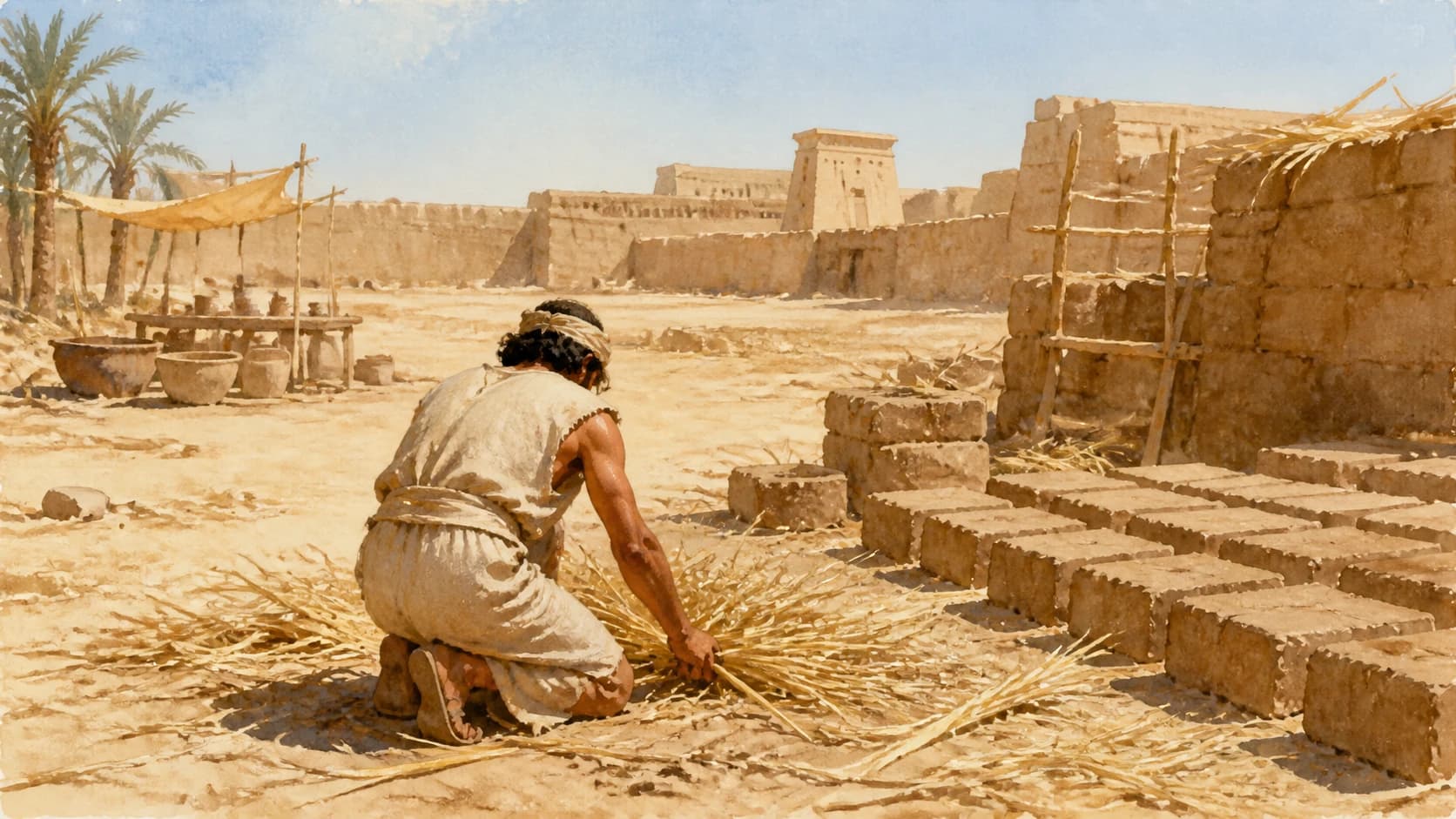
Pharaoh rejected God’s word, and the people of Israel had to make the same number of bricks without being given straw. Exodus 5 records the moment Moses and Aaron delivered God’s word to Pharaoh and traces the process by which the people’s labor became even harsher. This chapter ends with the foremen’s complaint and Moses returning to the LORD with his appeal.
How Did Pharaoh Respond When He Heard God’s Word
Moses and Aaron told Pharaoh that the LORD, the God of Israel, had said to let His people go. The message was that the people must hold a festival to the LORD in the wilderness. The two men also asked him to allow them to go a three-day journey into the wilderness to offer sacrifices to God.
Pharaoh asked, "Who is the LORD, that I should obey Him and let Israel go?" He said that he did not know the LORD and that he would not let Israel go. He then accused Moses and Aaron of making the people stop from their work and ordered them to get back to work.
Why Did Pharaoh Make the People’s Labor Heavier
Pharaoh judged that the people were lazy and were saying they wanted to go and sacrifice to God. So he commanded that no more straw be given to the people for making bricks. While making the people gather straw for themselves, he would not reduce the number of bricks they had to produce.
Pharaoh instructed that their labor be made heavier so that the people would be kept busy. He also said that they must not listen to lies. Pharaoh’s response to the word of God delivered by Moses and Aaron immediately led to an order that made the people’s working conditions even more severe.
The People Were Required to Produce the Same Number of Bricks Without Straw
The overseers and foremen reported Pharaoh’s command to the people. The people scattered throughout all the land of Egypt to gather stubble for straw. But the overseers kept urging them to finish the day’s work on the same day, just as when straw had been supplied.
When they could not meet the required number of bricks, the foremen of the children of Israel were beaten. The foremen went to Pharaoh and complained about being told to make bricks without being given straw. Pharaoh again told them they were lazy and commanded that straw would not be given, but the required number of bricks would remain the same.
The Foremen’s Complaint and Moses’ Appeal
When the foremen heard that they could not reduce the number of bricks they had to make each day, they realized that trouble had come upon them. On the way out from Pharaoh, they met Moses and Aaron and blamed the two men for making them hated by Pharaoh and his servants. They said they hoped the LORD would look on Moses and Aaron and judge them.
After Moses heard this, he returned to the LORD. He asked why the people had been mistreated and why he had been sent. He reported that ever since he spoke to Pharaoh in the Lord’s name, Pharaoh had mistreated the people even more, and the people had still not been delivered. Exodus 5 does not say that the problem has been solved; it stops with Moses telling God plainly about the increased burden.
Summarize the Order of Events in One Sentence Today
Today, read Exodus 5 again and try writing the order of events in one sentence. Moses and Aaron delivered God’s word, Pharaoh refused it, the people’s labor became heavier, the foremen complained, and Moses appealed to the LORD. This single sentence helps you focus on what Exodus 5 actually records.
Scripture Basis
- Exodus 5:1-23
Related articles
Why Does Deuteronomy 4 Tell Us to Remember and Obey?
Deuteronomy 4 explains why Israel must remember what they personally saw and heard God do, refuse to make idols, and obey his word without adding to it or taking away from it.
Why Did Israel Disobey Both Commands?
Deuteronomy 1 contrasts Israel’s refusal to go up when commanded with their later decision to go up after being told not to.
Why Does Numbers 33 Record Israel’s Journey?
Numbers 33 records Israel’s journey from Egypt to the plains of Moab and reveals the commands the Israelites were required to obey when they entered Canaan.
 Bible Habit
Turn this article into today’s reading habit
Keep your McCheyne plan, sequential reading, notes, and progress together so the next passage is always clear.
- Today’s passages
- Reading checklist
- Notes and highlights