

How Did People Respond to the Warning in Exodus 9?
Explore the plagues on livestock, boils, and hail in Exodus 9, and see how Pharaoh and his officials responded differently to God's warnings.
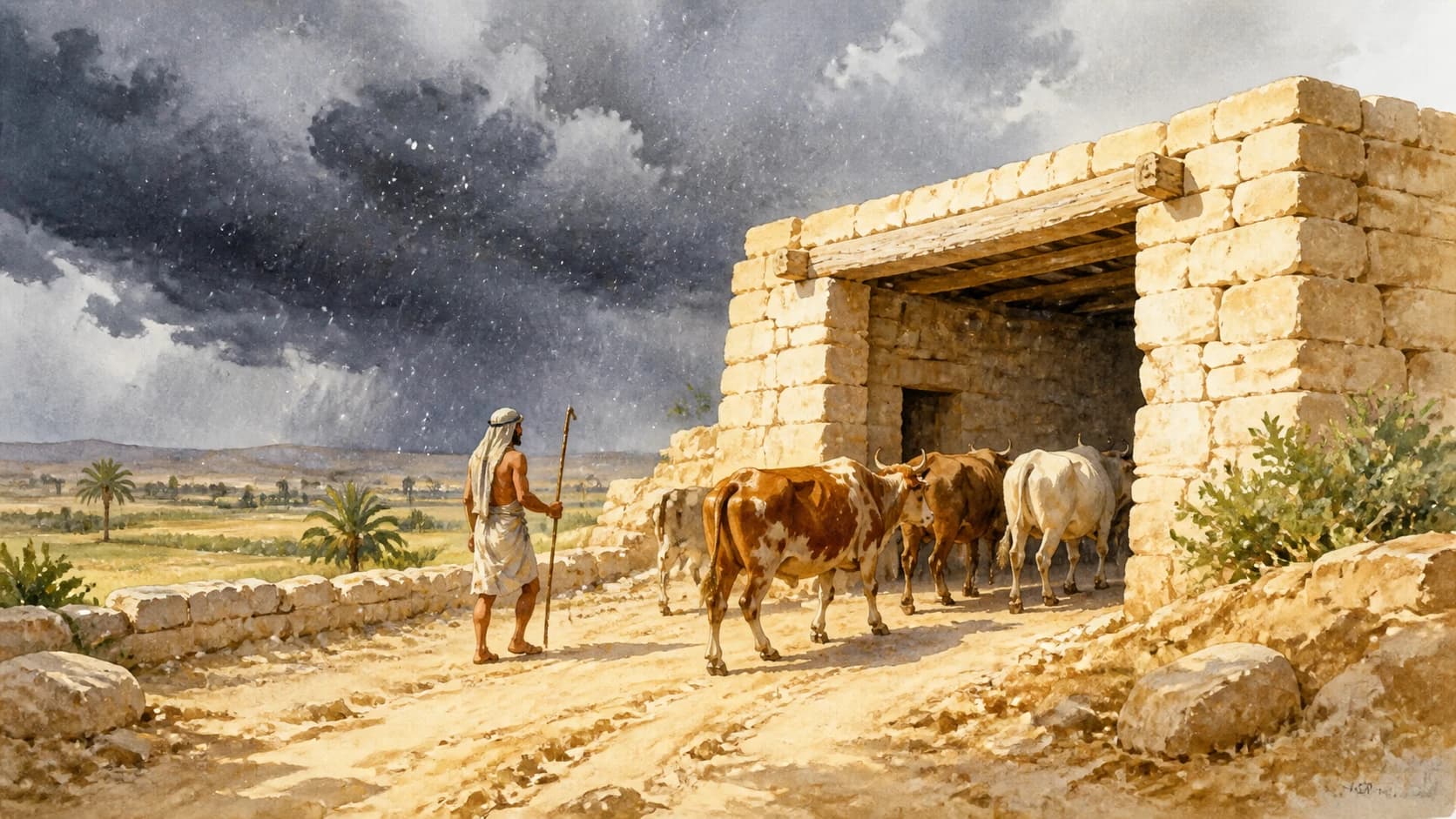
In Exodus 9, people responded to God's warning in two very different ways. Some feared his word and took shelter, while others ignored it and remained where they were. When disaster struck, Pharaoh admitted that he was wrong and promised to let the Israelites go. But as soon as the disaster ended, he hardened his heart again. Exodus 9 shows whether hearing God's word leads to real action.
Why We Should Look at What Happened After the Warning
God sent Moses back to Pharaoh with the command to let the Israelites go. He warned that if Pharaoh continued to hold them back, a severe plague would strike Egypt's livestock. God said he would distinguish between the livestock of Israel and those of Egypt, and he did exactly as he had promised on the appointed day.
Pharaoh sent people to investigate the outcome. Not one animal belonging to the Israelites had died. Yet Pharaoh still refused to let the people go. He heard the warning and even confirmed its fulfillment, but he did not take the action required of him.
God Did Exactly What He Had Said
After the plague on the livestock, painful boils broke out on people and animals. Even the magicians could not stand before Moses because of the boils. Still, Pharaoh would not listen to Moses and Aaron.
God sent Moses to Pharaoh once again. He explained that through these plagues, Pharaoh would know that there was no one like him in all the earth. God would display his power so that his name might be proclaimed throughout the world. Yet before the hail fell, he also warned the people to bring everyone and every animal in the fields to safety. God told them not only what would happen and when, but also what they could do to escape it.
The Officials Made Different Choices After Hearing the Same Warning
Some of Pharaoh's officials feared the word of the LORD and hurried to bring their servants and livestock indoors. Others paid no attention to the word of the LORD and left their servants and livestock out in the fields.
When the hail came, it struck the people and animals in the fields and damaged the crops and trees. But no hail fell in Goshen, where the Israelites lived. The difference between the officials was not limited to what they thought or said. It was revealed in whether they brought their servants and livestock to safety.
Pharaoh Hardened His Heart Again When the Disaster Ended
Pharaoh summoned Moses and Aaron and admitted that he had sinned and that the LORD was righteous. He promised to let the Israelites go if the thunder and hail stopped. Moses went outside the city and spread out his hands toward the LORD, and the thunder, hail, and rain ceased.
But when Pharaoh saw that the rain, hail, and thunder had stopped, he sinned again. Pharaoh and his officials hardened their hearts and refused to let the Israelites go. Pharaoh's words had changed, but once the disaster was over, his actions remained the same. The passage makes it clear that admitting wrongdoing in the moment was not the same as actually letting the people go.
Choose One Sentence to Take to Heart Today
Exodus 9 records that those who feared God's word acted differently from those who ignored it. Today, read Exodus 9:18–21 in the Bible, choose one sentence to take to heart, and write it down. Let that sentence remind you of how differently people responded after hearing the warning.
Scripture References
- Exodus 9:1–7
- Exodus 9:8–12
- Exodus 9:13–21
- Exodus 9:22–35
Related articles
Why Does Deuteronomy 4 Tell Us to Remember and Obey?
Deuteronomy 4 explains why Israel must remember what they personally saw and heard God do, refuse to make idols, and obey his word without adding to it or taking away from it.
Why Did Israel Disobey Both Commands?
Deuteronomy 1 contrasts Israel’s refusal to go up when commanded with their later decision to go up after being told not to.
Why Does Numbers 33 Record Israel’s Journey?
Numbers 33 records Israel’s journey from Egypt to the plains of Moab and reveals the commands the Israelites were required to obey when they entered Canaan.
 Bible Habit
Turn this article into today’s reading habit
Keep your McCheyne plan, sequential reading, notes, and progress together so the next passage is always clear.
- Today’s passages
- Reading checklist
- Notes and highlights