

Ezra Reading: The Order of Restoration
Ezra goes beyond the record of return to reveal the clear sequence in which God's people are restored. We calmly explore how worship, God's Word, and repentance rebuild the community, following the flow of the text.
Ezra Reading: The Order of Restoration
The story of Ezra is about the first return of the people from captivity to Jerusalem, but it does not end as a simple account of migration. This book clearly shows what needs to be rebuilt first in a shattered faith community. Returning home did not automatically bring complete restoration, nor did rebuilding the temple instantly establish a holy life. As we follow the flow of Ezra, it becomes evident that there is a definite sequence in God's people's restoration.
Chapters 1 through 6 focus on the first return centered around Zerubbabel and the rebuilding of the temple. While King Cyrus of Persia's allowance for the return might seem like a political decision outwardly, the Bible reveals that God was working behind the scenes. Ezra 1:1 states, “In the first year of Cyrus king of Persia—so that the word of the Lord spoken by Jeremiah might be fulfilled—the Lord moved the heart of Cyrus king of Persia to make a proclamation throughout his realm...” The starting point of restoration is not human will or decision but God's faithfulness, who does not forget His promises. The strength to restart from the ruins ultimately comes first from God's side.
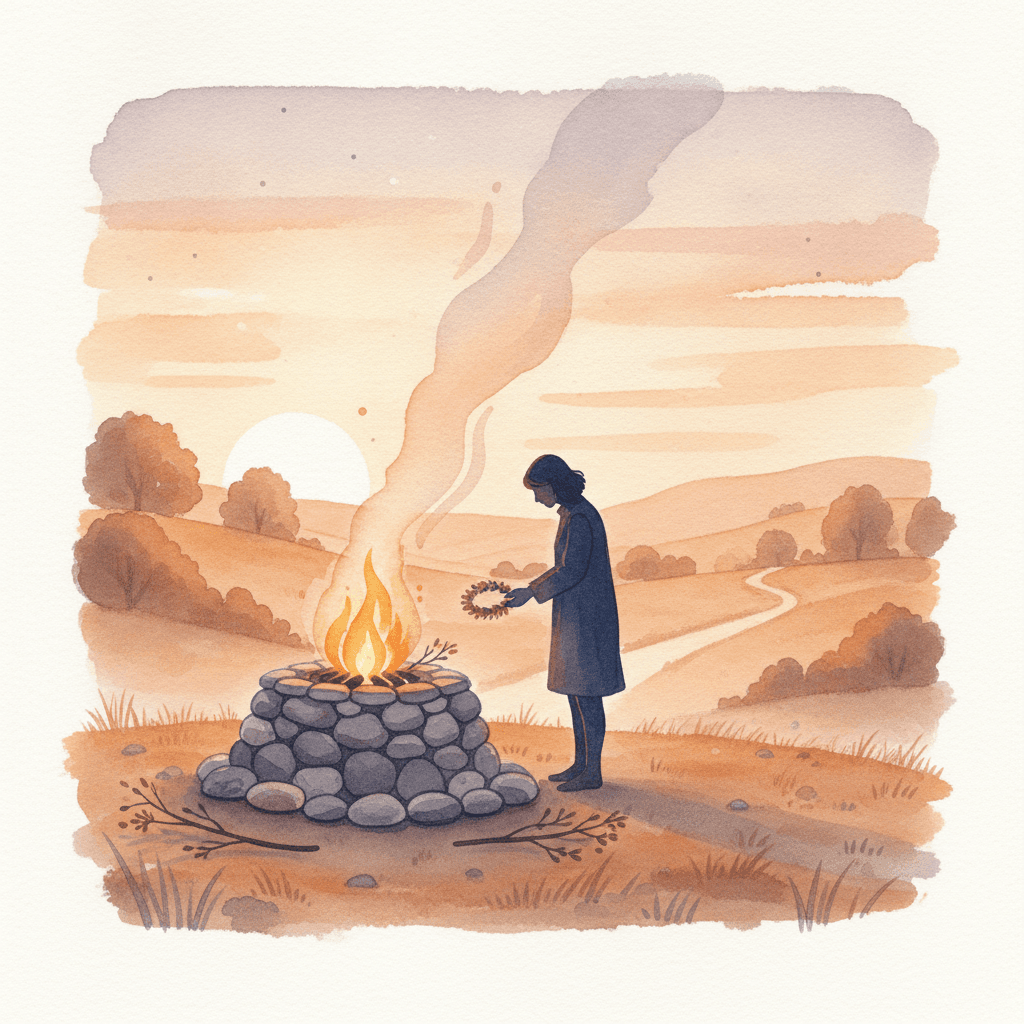
The first action of the returning exiles was not building the temple foundation. They first built the altar. As Ezra 3:2–3 shows, despite fearing surrounding peoples, they built the altar and offered burnt offerings. Even though their lives’ foundations were still unsettled, they prioritized worship. Ezra emphasizes that restoration does not begin after a comfortable environment is established. Instead, especially when circumstances are shaky, we must first hold tightly to the place before God. Instead of delaying daily Bible reading until everything is settled, opening up the Bible reading today and reading even briefly can become the starting point of restoration.
However, the path of restoration was not always smooth. Construction of the temple was halted due to opposition from adversaries, and the people's efforts slowed down. At this point, God sent prophets Haggai and Zechariah to revive the people. Ezra 6:14 records, “So the elders of the Jews continued to build and prosper through the prophesying of Haggai and Zechariah.” When the community becomes exhausted and stops moving forward, the power that gets it going again is not vague enthusiasm but the Word of God. When faith stalls, the voice of Scripture ultimately guides us back to walking again. Therefore, those hoping for restoration should prioritize listening to God's Word over seeking new stimuli.
Chapters 7 through 10 introduce Ezra, a priest and scribe, in a more prominent role. The best verse illustrating Ezra is Ezra 7:10: “For Ezra had devoted himself to the Study and Observance of the Law of the Lord, and to teaching its decrees and laws in Israel.” This single verse encapsulates the proper order of restoration. Ezra first studied God's Word, then obeyed it in his life, and afterward taught the people. If obedience lags behind learning, faith easily becomes superficial. One might appear knowledgeable, but without obedience before God, knowledge cannot build true faith. Ezra was someone who positioned himself before God's Word even before explaining it to others.
The later part of Ezra can feel uncomfortable to read because it deals very seriously with the sins of the community. The issue of intermarriage with foreign nations was not merely about preserving bloodlines. It touched on the recurring problems of idolatry and breaking the covenant that had persisted even before the exile. Deuteronomy’s warnings from God were precisely because of the danger of following other gods. Hearing this, Ezra tore his clothes and fell on his face before God. Ezra 9:6 records his prayer: “O my God, I am too ashamed and disgraced to lift up my face to you...” Leaders did not treat the community's sins lightly. Holiness is not sustained by cold condemnation alone. It is restored through genuine sorrow that does not take sin lightly and through sincere repentance that turns back to God.
At this point, there is an important balance to hold when reading Ezra. This book does not praise legalism. Rather, it calls us to live as covenantal people before a God who has restored us by grace. What came first was not human merit but God's grace. Because God caused the return, obedience that does not belittle that grace must follow. Today, too, attending worship, volunteering, and reading Scripture are not transactions to earn points with God. Nor can we ignore the need for life change when talking about grace. Genuine grace does not make people complacent but prompts them to turn back to God.
When meditating on Ezra, it helps to grasp the overall flow of the book. First, God opened the way; then the people restored worship; the Word rebuilt the community; and repentance led to the renewal of holiness. Keeping this flow in mind, Ezra is not just an old history story but a mirror reflecting the church and believers’ lives today. If the overall flow seems confusing, it might help to read Why Reading the Whole Bible Is Important. It encourages developing a perspective that sees the entire Bible in context, rather than isolated readings of individual books. Also, when you come across themes like the temple, captivity, or the Law while reading Ezra, searching for related verses with AI Bible Search can clarify the main thread of the text.
Ezra sharply and quietly asks us today: Although we say we desire restoration, what are we really prioritizing? Are we delaying the altar for visible achievements? Do we merely think we know God's Word but keep postponing obedience? Are there compromises we hold onto while claiming to hate sin? Restoration is not just about emotional warmth that fades quickly. It is demonstrated through returning to worship, setting ourselves before God's Word, and honestly bringing our sins before Him.
As you read Ezra today, reflect on what altar in your life needs to be rebuilt first. It might be a renewed time of Scripture reading hindered by busy schedules, a superficial attitude toward worship, or a decisive break from long-standing compromises with sin. God calls His people to be restored, built up by His Word, and renewed through repentance. Ezra shows us that restoration begins not with distant stories but with ordering our steps rightly before God.
 Bible Habit
Turn this article into today’s reading habit
Keep your McCheyne plan, sequential reading, notes, and progress together so the next passage is always clear.
- Today’s passages
- Reading checklist
- Notes and highlights