

Genesis 14: What Did Abram Recover and Refuse?
In Genesis 14, we look at what Abram recovered after Lot was taken captive, along with the people who had been taken, and what goods he refused after meeting Melchizedek and the king of Sodom.
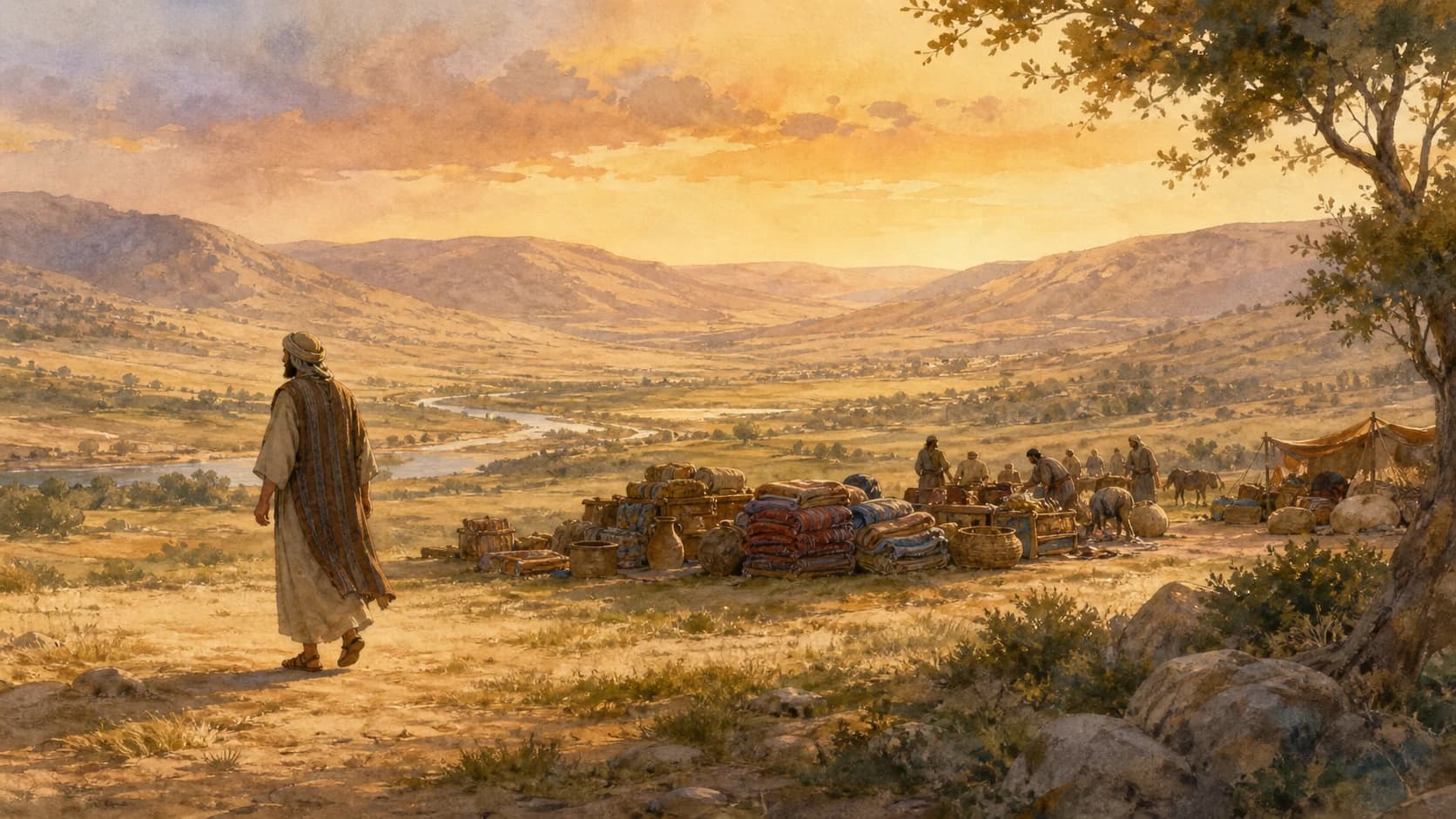
In Genesis 14, Abram recovered Lot, who had been taken captive, along with the people who had been taken, and after he returned, he did not take any of the king of Sodom's goods as his own share. When he heard that Lot had been captured, he led his men in pursuit. What Abram recovered and what he refused can be found in Genesis 14:12-24.
Abram Is Drawn Into the War of the Kings
Genesis 14 opens with a war involving several kings. Four kings allied with Kedorlaomer fought the five kings, including the king of Sodom, in the Valley of Siddim. The armies of Sodom and Gomorrah fled, and the four kings seized all the goods and provisions of the two cities.
Lot, who was living in Sodom at the time, was swept up in this war as well. The four kings carried off Abram's nephew Lot and his possessions. Abram was not the one who started the war, but he acted when he heard that Lot had been taken captive.
The text makes Abram's next actions clear. He pursued the captives to recover them, and after he returned, he did not claim all the recovered goods as his own.
Abram Recovers Lot and What Had Been Taken
A man who had escaped came to Abram and told him that Lot had been taken captive. Abram led 318 men trained in his household and pursued them as far as Dan. He divided his forces, attacked them by night, and chased them as far as Hobah.
As a result, Abram brought back all the goods that had been taken. He also recovered his nephew Lot and Lot's possessions. The text records that the women and the other people also returned with him.
Abram's pursuit did not end with bringing back Lot alone. It led to the recovery of the goods taken in the war and many people together. The text presents, in sequence, what Abram did from the time he heard the news until the time he returned with the people.
Melchizedek's Blessing and the King of Sodom's Offer
When Abram returned, the king of Sodom came out to meet him. Melchizedek, king of Salem and priest of God Most High, also came out with bread and wine. Melchizedek blessed Abram and praised God Most High, who had delivered Abram's enemies into his hand. Abram gave Melchizedek a tenth of everything he had gained.
After that, the king of Sodom said to send the people to him and let Abram take the goods. But Abram replied that he would not take even a thread or a sandal strap from anything belonging to the king of Sodom. He made that decision so that the king of Sodom could not say that he had made Abram rich.
Abram did not extend that refusal to everyone's share. He excepted what the young men had already eaten, as well as the share due to Aner, Eshcol, and Mamre, who had gone with him. While he himself did not take the goods of Sodom, he let the men who were with him receive their share.
Drawing a Clear Line in a Single Matter Today
Abram put all his strength into recovering the captives and the goods that had been taken. But after he returned, he drew a clear line around the goods he himself would take. He also did not apply his own refusal to the shares of his companions.
When you handle a single matter of dividing money or goods today, use Genesis 14:21-24, where Abram distinguished between what he would take and the share of his companions, as your guide. Do not take what is not yours, and finish by passing along the share that belongs to someone else.
Scripture Basis
- Genesis 14:1-12: The war of the kings and Lot's capture
- Genesis 14:13-16: Abram's pursuit and the people's return
- Genesis 14:17-20: Melchizedek's blessing and Abram's tithe
- Genesis 14:21-24: The king of Sodom's offer and Abram's refusal
Related articles
Where Deuteronomy 24 Tells the Powerful to Stop
Deuteronomy 24 places limits on creditors, employers, and landowners. This article follows the chapter’s flow to explore why the poor must be allowed to keep their bedding, receive their wages, and have food to eat.
Deuteronomy 21 Sets Limits on the Use of Power and Emotion
Deuteronomy 21 requires matters—from an unsolved death to a captive woman, the rights of the firstborn, and the burial of an executed person—to be handled according to established procedures and limits.
How the Daughters of Zelophehad Preserved Their Father’s Inheritance
Numbers 36 records how the daughters of Zelophehad, after inheriting their father’s property, obeyed God’s command so that the land would not pass to another tribe.
 Bible Habit
Turn this article into today’s reading habit
Keep your McCheyne plan, sequential reading, notes, and progress together so the next passage is always clear.
- Today’s passages
- Reading checklist
- Notes and highlights