

Author and Historical Background of Genesis: How to Read the Book of Beginnings
Exploring the authorship, historical context, and key structure of Genesis to understand how to rightly interpret the book through the flow of creation, fall, and covenant.
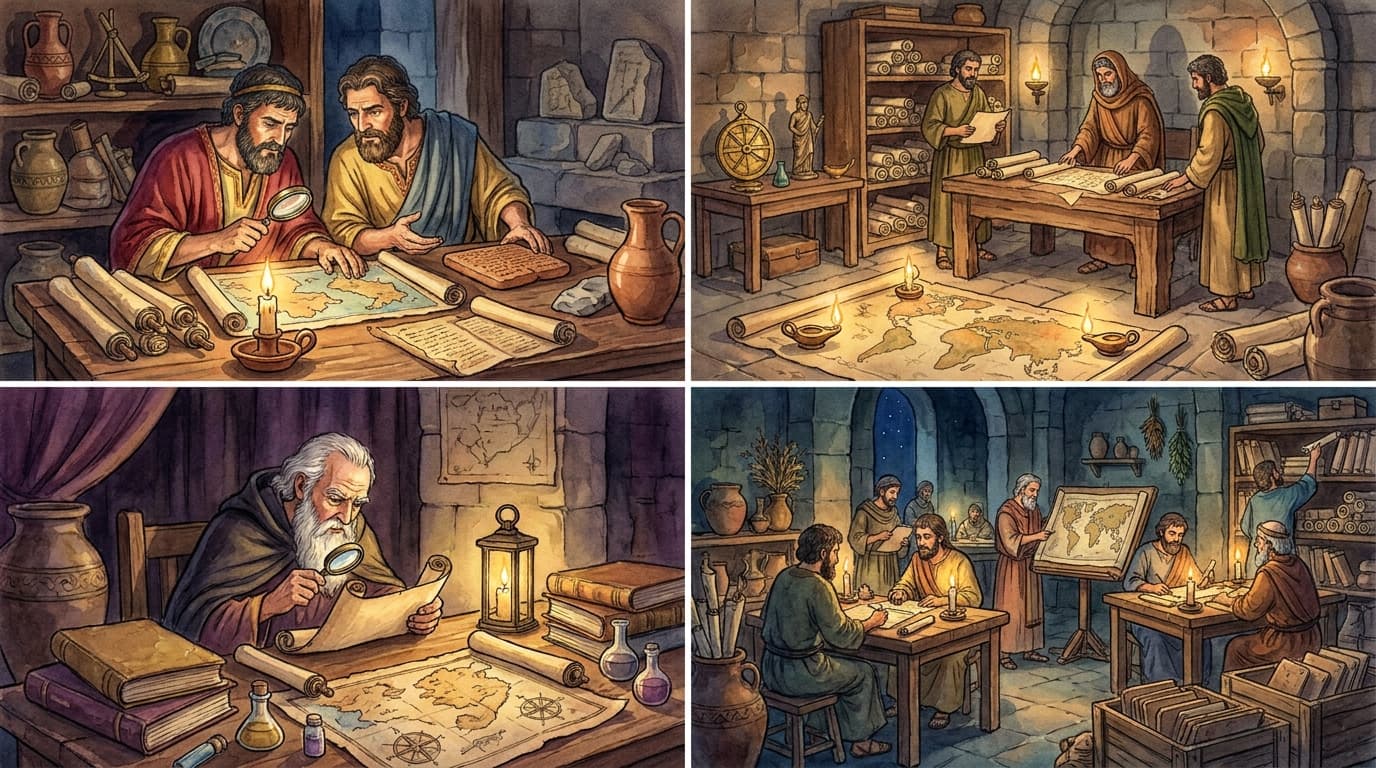
How to Deepen Your Reading of Genesis: Its Author, Background, and Insights into the Beginning
Genesis is the first book of the Bible, but it’s not merely about the origin of the world. It reveals who God is, who humans are, how sin entered the world, and where God's promise of salvation began. Therefore, reading Genesis correctly serves as the foundation for understanding the entire Bible.
Traditionally, Moses is regarded as the author of Genesis. Although the text itself does not explicitly state "Moses wrote this," it has been understood within the overall flow of the Pentateuch, from Genesis through Deuteronomy. Even Jesus acknowledged Moses' authority; for instance, in Mark 12:26, Jesus references the burning bush passage, pointing to Moses’ writings. Genesis is the opening chapter of the Mosaic books.
From a historical perspective, Genesis can be seen as a book that teaches God's people about their identity as they approach the Promised Land. The Israelites who came out of Egypt needed to understand where they came from, why they must obey God, and the nature of the covenant they are under. At that time, Genesis made a clear declaration: "In the beginning God created the heavens and the earth" (Genesis 1:1). This single verse not only sets the foundation of faith for Israel but also for us today, showing that the world did not start by chance and that history is under God's sovereignty.
The overarching flow of Genesis can be divided into two parts. Chapters 1–11 depict the beginnings of humanity through creation, the fall, the flood, and the Babel event, illustrating the spread of sin. Chapters 12–50 follow God's call of individuals and families—Abraham, Isaac, Jacob, and Joseph—and how His salvation plan unfolds through them. Notably, in Genesis 12:2-3, God promises to make Abram into a great nation and a blessing to all nations. From the very start, Genesis reveals that God's redemptive plan extends to all nations.
Understanding the background and structure of this book helps clarify recurring themes such as genealogy, covenant, land, and descendants. While modern readers may perceive genealogies as distant, the Bible uses these names to connect God's promises through actual historical events. Genesis testifies that God has worked among real people, not just in myth.
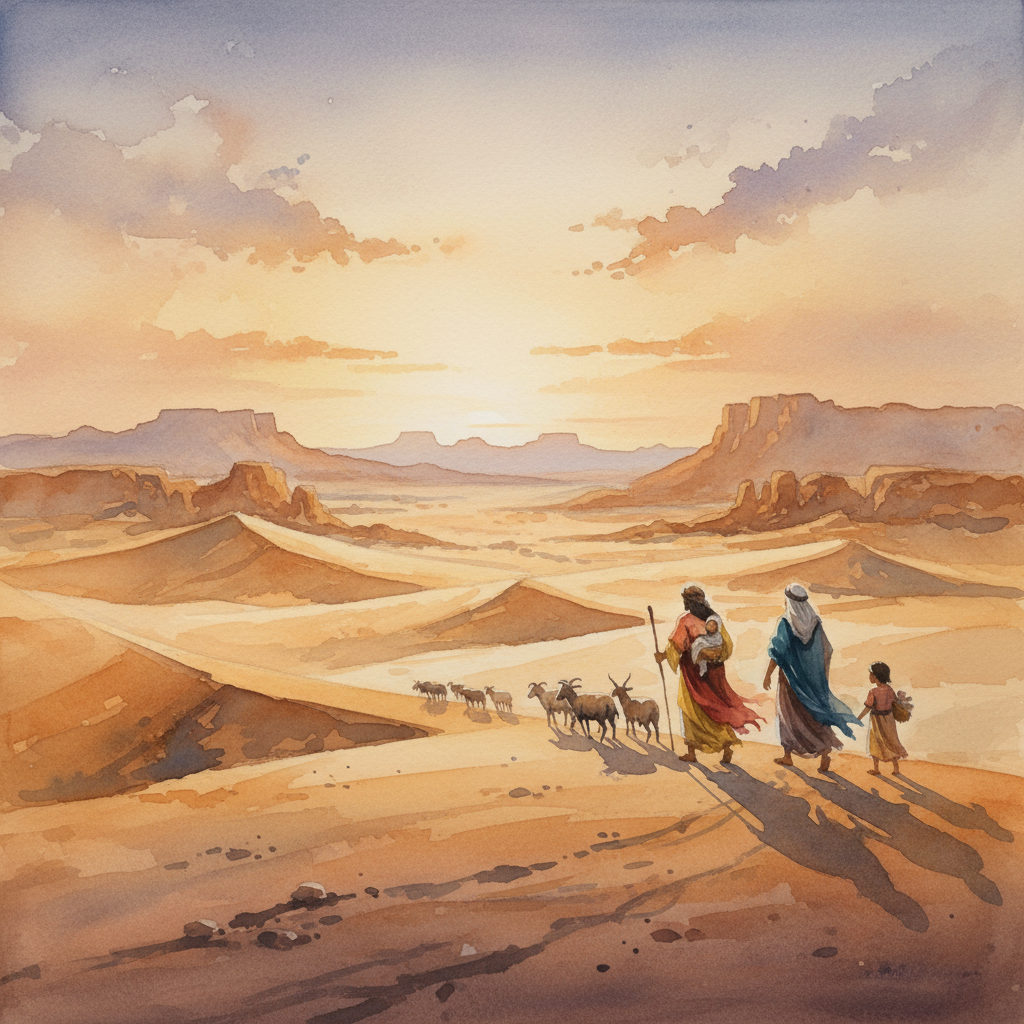
So, how should today’s Christians read Genesis? First, Genesis helps us clarify our identity. We are not accidental beings but created in God's image. Genesis 1:27 states that God created mankind in His own image. When life feels unstable, when comparisons and anxieties increase, Genesis reminds us that human worth comes from the Creator, not achievement.
Furthermore, Genesis teaches us not to take sin lightly. After Adam and Eve's disobedience, relationships were broken; Cain murdered Abel; human pride is demonstrated at Babel. Sin is not just a mistake but a state of turning away from God. Yet, Genesis is also a book of grace. Even after the fall, God offers hope of salvation. Genesis 3:15 hints at God's plan to crush evil through the offspring of the woman. Genesis does not halt at despair, but moves forward with promises.
When meditating on Genesis, it’s crucial to grasp its main themes. Check whether the passage you're reading aligns with the order of creation, reveals the consequences of the fall, or moves toward the fulfillment of the covenant. This approach will enable a fuller, more layered understanding. Carefully follow the text, connect with Bible Reading, and review the flow of the day’s passage through Today’s Macro Chain Reading Plan. To deepen your meditation, consider reading What is Meditation?.
Ultimately, Genesis asks us, ‘Whose words will we live by?’ The invitation today is to trust God's Word rather than the serpent’s; to cling to the covenant rather than visible realities; to hope in grace even after failure. Just as Abraham was called not because he was perfect but because God’s faithfulness fulfilled His promises, we can stand firm on the faithfulness of God.
If reading Genesis feels overwhelming, rather than trying to understand all chapters at once, start by exploring who God is. As you slowly read the Book of Beginnings, you'll experience the grace of aligning your life’s start and direction within God's plan. Today, hold onto the unshakable truth found in Genesis: that God, who begins a good work, will faithfully complete it.
Related articles
What Did Joseph Reveal to His Brothers in Genesis 45?
In Genesis 45, we look at how Joseph revealed himself to his brothers and explained that God had preserved the life of their family.
How Did Jacob’s Family and Possessions Increase in Genesis 30?
In Genesis 30, we look at how God heard Leah and Rachel and how Jacob’s family and possessions increased after he set his wages with Laban.
Genesis 29: What Did Jacob Endure for Love?
In Genesis 29, Jacob serves seven years for Rachel and endures Laban’s deception. This article looks at the waiting and the family life the passage reveals.
 Bible Habit
Turn this article into today’s reading habit
Keep your McCheyne plan, sequential reading, notes, and progress together so the next passage is always clear.
- Today’s passages
- Reading checklist
- Notes and highlights