

The Values of God's Kingdom and Why Our Lives Change
Following Jesus' parables that reveal the truths of God's kingdom, we explore why people's priorities shift. As the gospel becomes clearer, obedience transforms from obligation to joy, and this can be reflected in our daily lives.
The Values of God's Kingdom and Why Our Lives Change
When Jesus explains the kingdom of God, He often used familiar scenes rather than elaborate theories. Illustrations like the farmer sowing seed, yeast in dough, or fish caught in a net are images everyone can relate to. This shows that God's kingdom isn't a distant concept but an actual reality that enters our lives and reshapes our order.
Reading the Gospels, we realize that Jesus’ parables aren’t just one-time stories. Though initially brief and simple, re-reading them over time provokes heart-searching questions: What do I truly value most right now? Are my choices aligning with that confession?
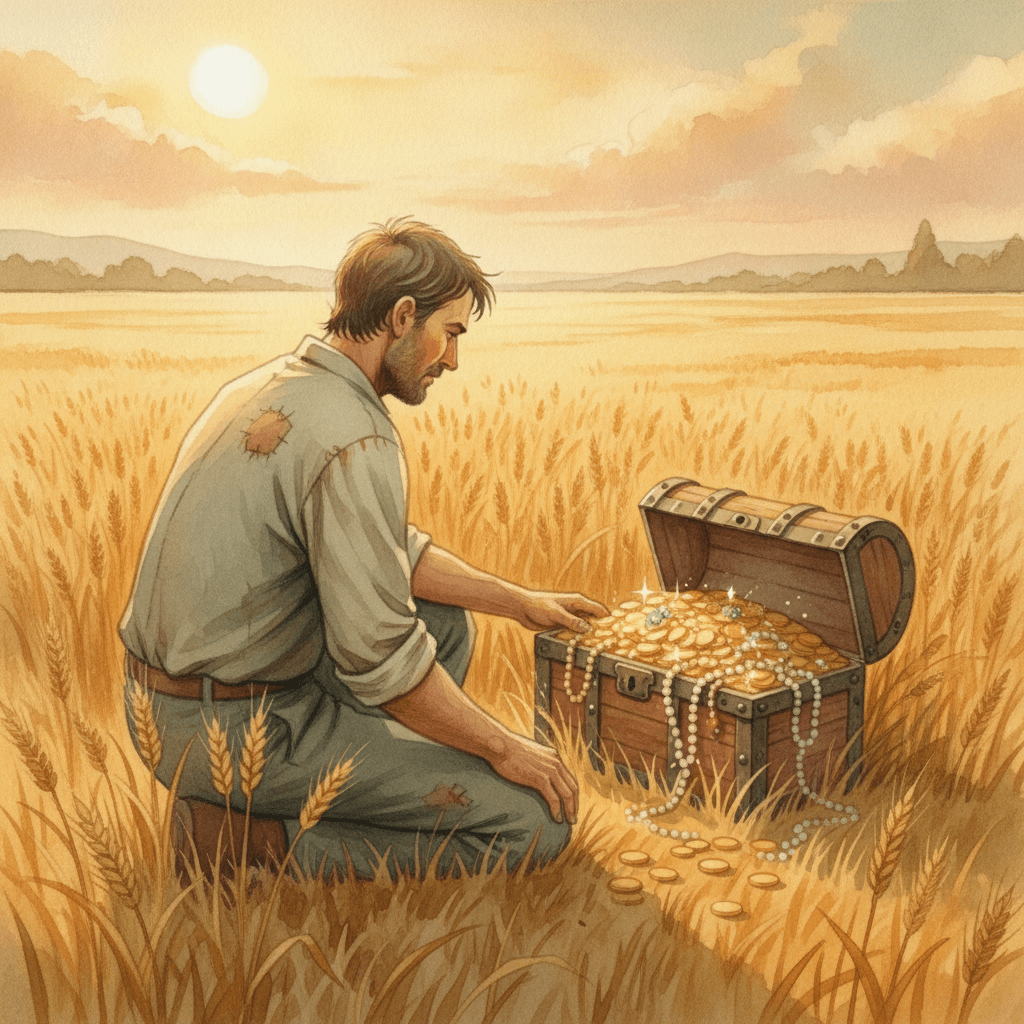
In Judea during Jesus' time, it wasn't uncommon for people to bury precious items in the ground to hide them from theft or war. The banking system was not as secure or sophisticated as today, so fields or home sites served as safekeeping places. So, discoveries of hidden treasures weren’t strange stories for that era. Jesus draws upon this familiar background to show how a person’s heart is transformed upon understanding the kingdom of God.
A key point here is that the value of the treasure itself, not the person's calculation, matters more. When people encounter something of great worth, they let go of what held them back. Things they previously hesitated over now slip from their hands as they realize something even more precious. Jesus declares that the kingdom of God is exactly such a priceless treasure — not just helpful but substantial enough to realign our entire life focus.
This also touches the core of the gospel: the kingdom of God cannot be bought with human effort. We are justified only through faith in Christ. Jesus' death and resurrection grant us forgiveness and new life, and accepting these by faith is salvation. Genuine life change is not a payment to earn grace but a natural fruit of recognizing its truth.
There are times when faith feels exhausted. The tasks pile up, and our hearts become dry, with Scripture and worship pushed aside. During such times, we tend to rely on sheer willpower, but what’s more needed is a fresh perspective. Reconsidering the greatness and clarity of the gospel, the person of Jesus Christ, and the preciousness of the life within Him rekindles our hearts.
Thus, obedience is not merely discipline; it’s a shift in heart's focus when we spot the clear gospel. Previously, approval from others might have been our priority, and peace depended on things going smoothly. But once we realize that the Lord Jesus is greater and more secure, we find strength to let go of what once held us captive.
Our daily lives are full of such opportunities for change. Waking up and reaching for the phone first may seem trivial, but choosing to read even a short passage of Scripture before the day begins is a small but meaningful step in realignment. Likewise, stopping small lies that everyone easily overlooks, choosing honesty despite potential loss, or quickly reaching out in reconciliation—these are expressions of the shifting heart.
The same applies at the workplace. It’s not that achievements don’t matter, but when results become the measure of our worth, our hearts become unstable. Praise elevates us, comparisons can bring us down. Knowing the value of God's kingdom means we don't cut corners, yet we also don’t let results determine our identity. Walking with integrity before God becomes our ultimate standard.
In our homes, it’s often the places where we can unintentionally hurt loved ones the most. Words can be sharp out of exhaustion, and we might take our closest ones for granted. Yet, the testimony of treasuring God's kingdom is revealed not outwardly but in subtle acts: a kind word at the table, listening attentively to a child's story, or exercising restraint when a spouse's mistake is pointed out.
In church life, we may attend services out of habit, but our hearts might be distant. While we listen to praise and the Word, sometimes we are more conscious of people than of God's truth. During such times, what’s needed isn’t more entertaining stimuli but returning to the gospel’s core. The Triune God is alive and present, and Jesus continues to hold His people in truth. Even amid a shaky world, the Bible, as the unerring Word of God, keeps us grounded.
Understanding the values of God's kingdom also adjusts our use of time. The phrase “busy” is often accurate, but it can also mask our priorities. We make time for what matters deeply: checking in on loved ones despite fatigue, setting aside space for necessary tasks, and not delaying Scripture and prayer.
Money, too, is not exempt. The Bible doesn’t declare money itself evil, but warns against loving it. When gratification from consumption seems more important than God’s kingdom, we easily make excuses. The line between needs and wants blurs, and while we readily spend to showcase ourselves, we often neglect our responsibilities before God. The gospel frees us from greed’s fear and helps us view possessions as stewardship.
These shifts don’t need to be dramatic all the time. Sometimes, small choices are more impactful than big, noticeable decisions. Spending a few minutes on the Psalms during commute, promptly apologizing when we’re wrong, or refusing to indulge in negativity or lust before bed—all these matter to God. Even unseen obedience is clear before Him.
The journey of faith includes trials. What once seemed dearly precious can fade. When worldly speed and comparison cause confusion, the values of God's kingdom can seem distant like abstract words. Repeating condemning thoughts only sinks us deeper. We must return slowly and thoughtfully to the gospel: that Christ died and rose for sinners, that salvation is grace, and that Jesus will hold His people to the end.
Reflecting honestly, we’ve already invested in many cheap treasures—striving to be seen as superior, pride that wounds yet wants to win, habits chasing fleeting pleasures. But the more we cling to such things, the emptier they feel. Conversely, the kingdom of God doesn’t impoverish us but transforms us. It convicts us to repent, encourages us to let go, and ultimately leads to deeper peace.
As you go through today, quietly ask yourself: What do I truly value most? How do my schedule, spending, words, and thoughts reflect that? Making these questions clear can lead to honest living. Try fixing just one thing, not waiting for a grand transformation. A heart that treasures the Lord grows again through today’s small decisions.
Related articles
Luke 5: Obedience Rooted in the Word
Journeying through Peter’s empty nets and Jesus’ call in Luke 5, we reflect on how trusting in God's Word and obeying Him in moments of failure reveals His grace and leads us to repentance.
Philippians 3: The Most Valuable Person
Philippians 3 shows why Paul laid aside his pride and regarded Christ as the most precious. It prompts us to reflect on faith-based righteousness and our current priorities.
1 Corinthians 5: Standards of Sin and Holiness
Exploring how the church and individuals should handle sin according to 1 Corinthians 5. Reflecting on the dangers of neglecting sin, Christ’s sacrifice, and the paths of repentance and holiness in everyday life.
 Bible Habit
Turn this article into today’s reading habit
Keep your McCheyne plan, sequential reading, notes, and progress together so the next passage is always clear.
- Today’s passages
- Reading checklist
- Notes and highlights