

Reading God's Word to Start Your Day: Practical Ways to Begin Bible Meditation Without Pressure
For those feeling overwhelmed about how to start Bible meditation, this article calmly organizes the basic flow—reading, observing, interpreting, applying—and offers realistic methods to maintain consistency from a biblical perspective.
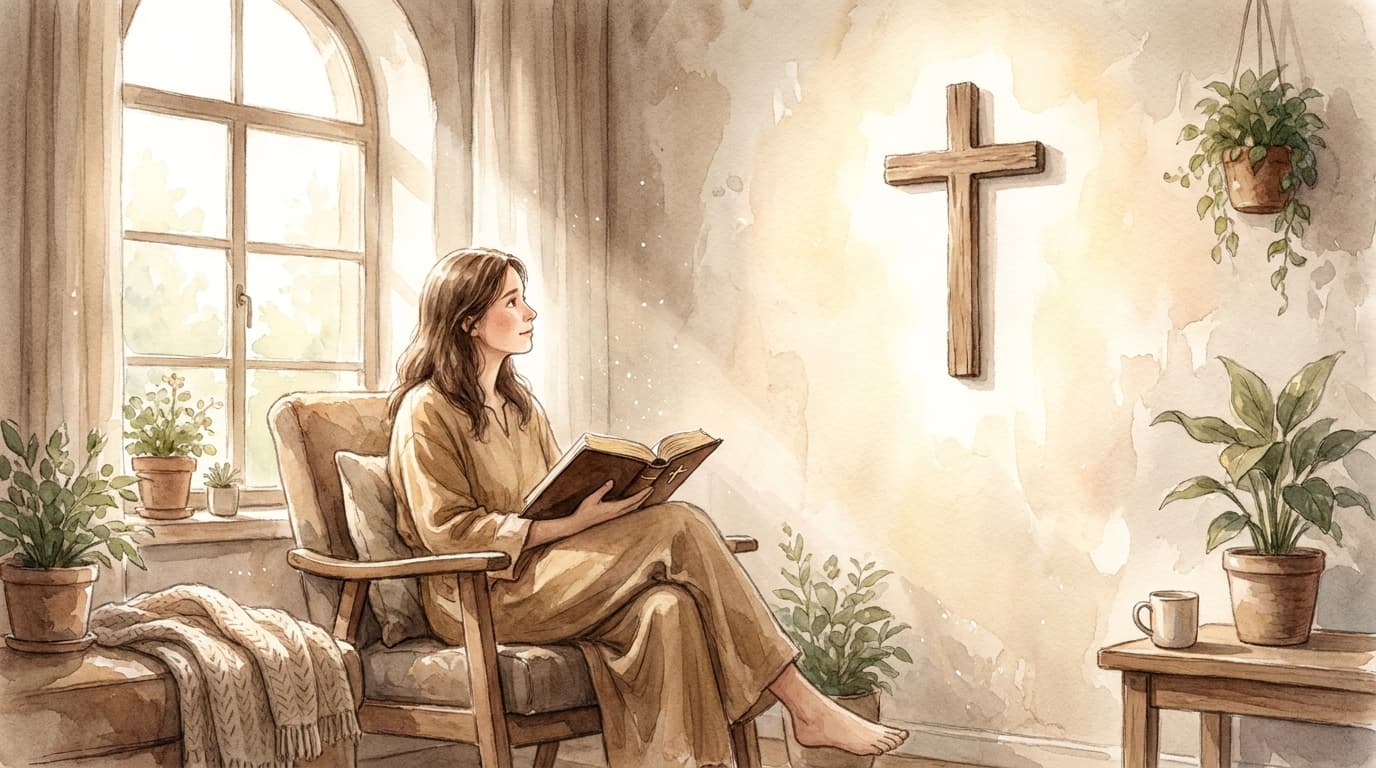
Reading God's Word to Start Your Day: Practical Ways to Begin Bible Meditation Without Pressure
Want to start meditating on the Bible, but every time you sit down, you're unsure where to begin? It often feels like you need a quiet environment, each reading must bring a special insight, and you should leave detailed notes. But the heart of Bible meditation isn't about complicated forms. It’s about reading the words God has given us, listening to their true meaning, and examining our lives before them. Meditation isn’t just reading the Bible—it's allowing the words to permeate your heart, speech, and decisions in everyday life.
QT refers to a devotional time where you read a designated passage, observe it, consider its meaning, and apply it to your life. What's important isn't finding a sentence that matches your mood but cultivating an attitude eager to hear what God is truly saying through His Word. The Bible isn't just a supplement to human thought; it's God's true Word, meant to teach, rebuke, correct, and train us in righteousness. Therefore, humility is the starting point of meditation. Instead of asking, “How does this passage make me feel?” we should first ask, “What does God reveal through this Word?”
Many consider reading the whole Bible and meditating on it as the same, but they serve slightly different purposes. Reading through the Bible is an overview of the grand narrative of redemption from Genesis to Revelation. It helps us understand who God is and how salvation is fulfilled through Jesus Christ by following the broad strokes of Scripture. In contrast, meditation involves lingering over a specific passage. If reading through the Bible is like unfolding a map to see the entire path, meditation is like walking slowly along a section of that route, observing the surroundings carefully. They aren’t competing but complement each other. Those who understand the big picture can grasp the context even in a single paragraph, and those who dwell deeply in one section won't overlook the Word even during a quick read.
When actually meditating on the Bible, following the steps of reading, observing, interpreting, and applying can be very helpful.
1. Reading
You don't need to set a long passage initially. A paragraph is enough—perhaps a few verses from Psalms, a short event in the Gospels, or a paragraph from the epistles. Read it once, then repeat two or three times. Reading aloud helps you hear the flow of the sentences better, and reading quietly again reveals repeated words and emphasized phrases. For example, Psalm 1:2 says, “But his delight is in the law of the Lord, and on his law he meditates day and night.” Meditation isn’t about racing to finish but about allowing the Word to stay in your heart.
2. Observation
Observation is the stage where you see what is actually in the text. Who is speaking? To whom? What expressions are repeated? Is the tone uplifting, warning, commanding, or promising? For example, when reading the Gospels, it's important to note whom Jesus met, their circumstances, what Jesus said, and how they responded. If your observation is weak, it might turn into simply confirming your own thoughts rather than engaging with the text. Beginners should emphasize recording what is clearly written rather than what they feel.
3. Interpretation
In interpretation, you ask what the original meaning of the passage was. This involves examining the context and understanding within the broader flow of Scripture. Even the same word can carry different emphasis depending on its context. When an instruction appears, consider why it was given and on what gospel foundation. Jesus said in John 17:17, “Your word is truth,” and meditation ultimately involves aligning your thoughts before the truth of God's Word. We do not judge by our standards but stand under His Word.
4. Application
Application should be concrete obedience, not vague resolve. Instead of broad promises like “I should live better,” aim for specific, actionable steps—such as “not speaking sharply to someone today,” “apologizing for something I’ve delayed,” or “recalling the Word when anxiety rises instead of worrying.” James 1:22 warns, “But be doers of the word, and not hearers only, deceiving yourselves.” Good meditation isn’t about writing a lot but about living out even one line.
For beginners, a short routine of about 15 minutes is practical. Spend 5 minutes reading the passage, 5 minutes jotting a simple observation, and 5 minutes deciding on one action step. Even with limited time, consistency deepens the Word’s place in your daily life. It’s better to read a short passage daily than to push for long sessions and give up. It’s helpful to read consecutively instead of choosing different texts each day—either pick a Gospel to read a paragraph daily or follow the Psalms in order. On such days, opening the Bible reading section and jotting down a favorite sentence can continue the meditation flow. If developing a consistent reading habit is challenging, consider 7 Tips for Building a Bible Reading Routine.
Knowing some historical background makes meditation clearer. Psalms, for example, are not just emotional diaries but songs of faith, laments, gratitude, and confessions offered to God. Some are joyful, others cry out in deep suffering. The Gospels testify how God's kingdom was revealed through Jesus' ministry and words. Paul's letters show how the Gospel applies amidst confusion, sin, and weakness among believers. Understanding this context keeps the Bible from feeling like vague advice and instead reveals it as the working Word of God throughout history.
It's also important to recognize that meditation isn’t only for emotional days. Sometimes the Word will seem crystal clear; other times, it may feel dull or difficult to focus. You might forget what you read quickly. None of this renders the time wasted. Hebrews 4:12 affirms that God's Word is “living and active,” piercing to the division of soul and spirit, joints and marrow. Even if you don’t immediately feel changed, His Word continues to work. Meditation is thus not a optional activity performed only when we feel good but a habitual discipline of standing before God's Word in faith.
In everyday life, this becomes more understandable. On busy mornings when many tasks await but your heart is already exhausted—reading a quick passage from the Gospels and contemplating Jesus’ words can remind you how easily rushing distorts your perspective. Or stopping at Psalm 46:1, “God is our refuge and strength, an ever-present help in trouble,” can shift your focus from the problem to God's power. Although circumstances might not instantly change, your heart’s orientation toward the situation changes—it’s the fruit of meditation. God's Word doesn’t ignore the reality but brings us to see it anew before Him.
If you want to sustain meditation longer, it helps to simplify some habits. First, don’t set unrealistic expectations about time—some are more alert in the morning, others better in the evening. The key is choosing a consistent time you can stick to. Second, try to establish a fixed place—reading in the same spot makes your mind and body associate that space with God's Word. Third, keep notes simple—just a one-line summary of the passage, how God is revealing Himself, and an application for today. Fourth, don’t see missed days as failure; simply resume reading again. Growth in faith comes not from perfect attendance but from returning to His Word after setbacks.
Sometimes, it’s helpful to start with a short verse, like Today’s Manna, then enter the main passage. But ultimately, the focus should always be the Scripture itself. Meditation isn’t about organizing your thoughts but about reflecting yourself before God's revelation. True meditation reveals more clearly who God is, helps us see our sin rightly, and intensifies our appreciation for Jesus Christ's grace. As you abide in the Word, the truth of the Gospel—that our righteousness comes solely through faith in Christ—becomes more vivid.
Bible meditation isn’t only for a few specially trained individuals. It’s the fundamental step every Christian takes to live by His Word. Rather than delaying the start searching for the perfect method, simply begin by reading a short passage slowly and asking what God is saying. As small as that act may seem, consistent obedience masters us in the discipline of meditation, transforming it from a burdensome task into a grace-filled foundation for each day. If you want to balance reading the whole Bible and meditating, consider Why Reading the Whole Bible Matters as a helpful overview of the big picture.
Related articles
Why Does Deuteronomy 6 Tell Us to Weave God’s Word into Daily Life?
Deuteronomy 6 commands God’s people to keep His Word in their hearts and teach it to their children throughout daily life. Discover what this command means and how it helps us remember God even in times of abundance.
BibleHabit Bible App: An Honest Review from Using It Myself
We tapped through BibleHabit’s McCheyne reading plan, passage summaries and verse explanations, and AI Bible question screen, organizing both the convenient features and the parts that may be less clear at first.
How Bible Meditation Becomes a Lasting Habit: Slow Reading That Connects the Passage to Life
This article identifies why Bible meditation often ends vaguely and organizes, from a biblical perspective, practical ways to build a meditation habit through understanding context, applying the gospel at the center, and taking small steps of obedience.
 Bible Habit
Turn this article into today’s reading habit
Keep your McCheyne plan, sequential reading, notes, and progress together so the next passage is always clear.
- Today’s passages
- Reading checklist
- Notes and highlights