

Jewish Burial Customs Illuminate Bible Reading
Understanding Jewish funeral customs brings clarity to stories of Lazarus, fragrant oils, mourners, tombs, and burial procedures. We've summarized biblical background and key interpretation points all in one place.
Jewish Burial Customs Illuminate Bible Reading
While reading the Bible, you often come across terms like funerals, tombs, fragrant oils, and mourners. These are easy to overlook as mere background details, but knowing the Jewish funeral customs of that time makes the text much clearer. Especially in scenes involving death and mourning, like the stories of Lazarus, Jesus’ burial, or Jairus’ daughter, cultural context is crucial. Without it, the urgency and significance can be lost.
In Jewish society, it was common to bury the deceased as quickly as possible, driven by hot climate conditions and purity laws. Deuteronomy 21:23 states, “you shall bury him the same day, for he who is hanged is cursed by God.” While this verse deals with hanged criminals, it helps us understand the Jewish quick-burial practice. That’s why Jesus was buried swiftly after His death on the cross in the Gospels. Joseph of Arimathea requesting Jesus’ body and preparing His burial before sunset reflects this custom.
Funeral preparations included washing the body, wrapping it in linen, and using fragrant oils. John 19:39-40 describes Nicodemus bringing a mixture of Myrrh and aloes, and wrapping Jesus’ body in linen cloth. This was not Egyptian mummification but a respectful, ceremonial way to honor the deceased and keep them clean. Similarly, in Luke 23:56, the women preparing fragrant oils for burial exemplify this act of love and service.
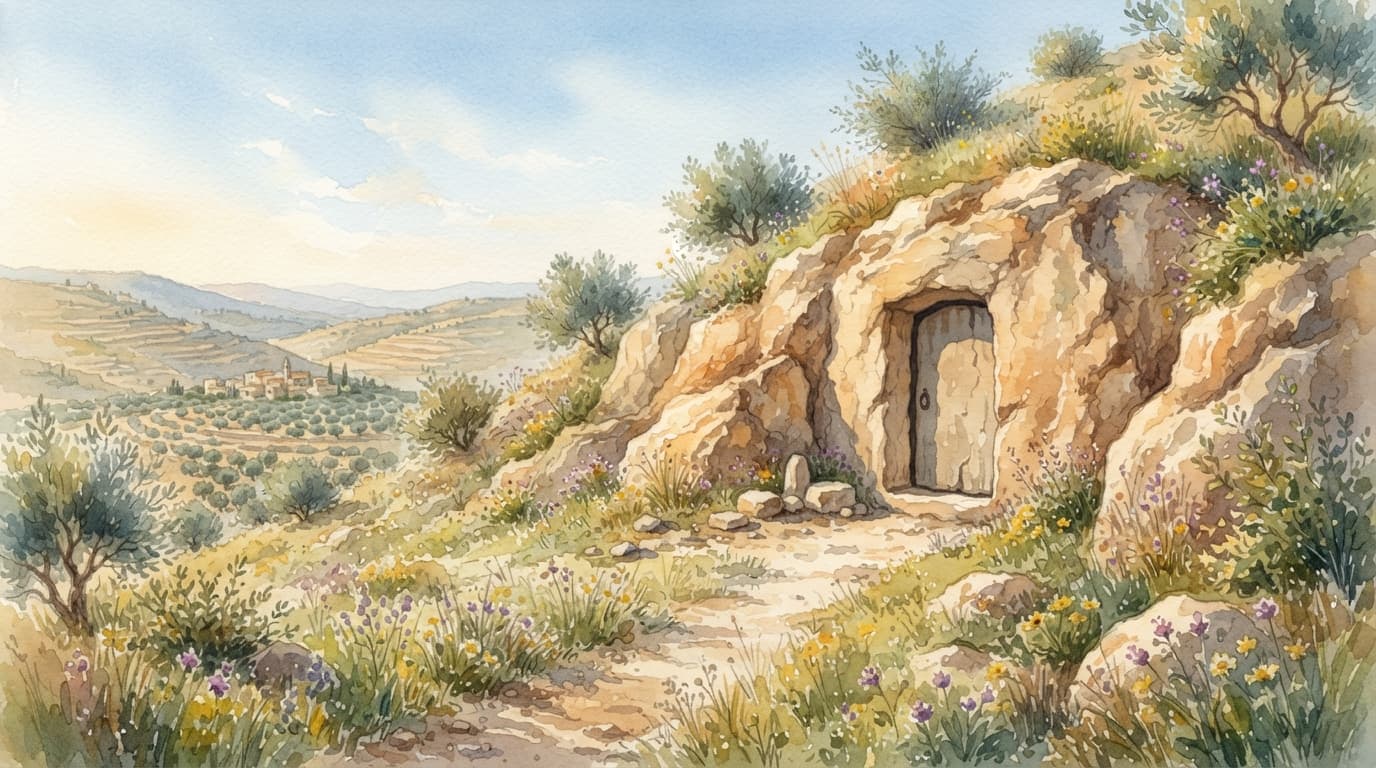
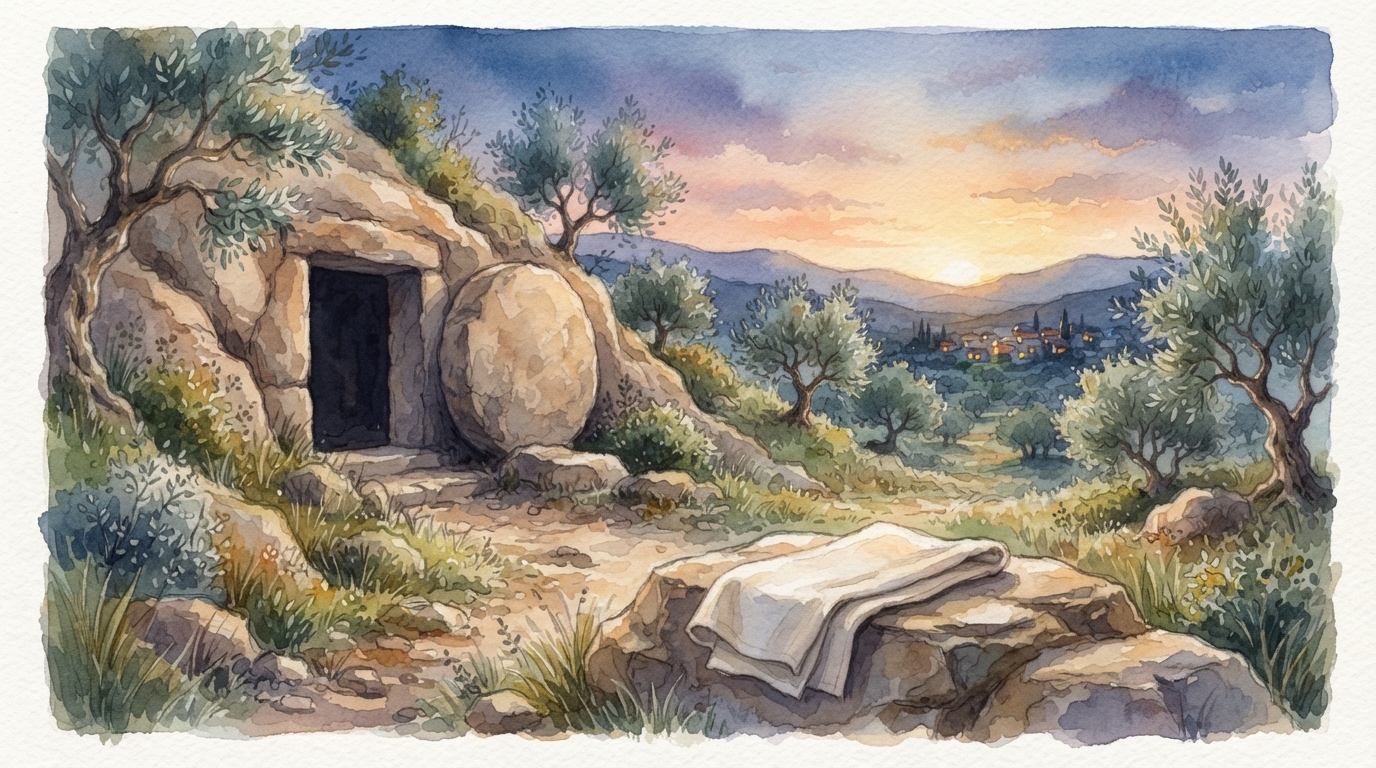
Tombs then were often natural caves or rock-cut chambers, with entrances sealed by stones. John 11:38 mentions Lazarus’ tomb as a cave, sealed with a stone. Knowing this helps us grasp Jesus’ command, “Take away the stone,” as a very practical instruction. It also highlights the reality of death—people stepping back in fear, while Jesus Himself enters into that scene.
In the story of Lazarus, Martha’s words, “Lord, by this time there is a stench, for he has been dead four days,” are more than a casual remark (John 11:39). They mark a time when death was considered irreversible, emphasizing that Jesus’ miracle was not just a fainting person regaining consciousness but a demonstration of divine power over death. The closer understanding of burial customs makes this scene more impactful—Jesus not only offers comfort symbolically but reveals life amidst what everyone thought was the end.
The presence of mourners and mourners also enriches biblical interpretation. Mark 5:38 describes mourners and wailers in Jairus’ house. At that time, communal mourning often involved more than just the family; it was a collective activity. Sometimes flutists and lamenters accompanied the scene. The crowded, crying household reflects genuine mourning, not dramatized theatrics. When Jesus enters and declares, “The girl is not dead but sleeping,” it’s not mere comfort but a declaration of His authority over death.
Another often overlooked aspect is contact impurity. Numbers 19:11 states that anyone who touches a dead body becomes ceremonially unclean for seven days. This purity law signifies that death is a consequence of sin, symbolizing a separation from God's life. Jesus touching the coffin, holding the girl’s hand, or calling Lazarus are all remarkable because impurity does not transfer to Him; rather, His life and power push back death. The Gospel emphasize this contrast powerfully.
This background makes the biblical narrative more vivid and clarifies the core message of the Gospel. Burial customs reveal the cold reality of death, yet Jesus does not retreat from it. His statement, “I am the resurrection and the life” (John 11:25), is not just a triumphant declaration but spoken amid tears at the tomb. When you revisit John 11 or Mark 5 during your Bible reading, try highlighting words related to burial, tombs, mourners, and aromatic oils, using references like Bible Highlight. That will deepen your understanding. When unfamiliar expressions come up, using AI Bible Search to find related verses about fragrant oils, linen, or tombs can also be helpful.
Knowing biblical background isn’t just about accumulating knowledge. Though we live in a world where death is inevitable, we have received a gospel that begins at the tomb’s entrance and does not end there. As you read today, don’t rush past the mourning and funeral scenes, but take your time to observe how Jesus reveals Himself in those moments.
- What cultural background in the story of Jesus’ burial did I previously overlook?
- How does the fact that Jesus enters into the reality of death shed light on my current fears?
- Which of today’s passages would I like to revisit—John 11, Mark 5, or Luke 23?
 Bible Habit
Turn this article into today’s reading habit
Keep your McCheyne plan, sequential reading, notes, and progress together so the next passage is always clear.
- Today’s passages
- Reading checklist
- Notes and highlights