

Understanding the Biblical Parable of the Wedding Feast
To grasp the parable of the wedding feast in the Bible more clearly, understanding the background of Jewish wedding customs is incredibly helpful. Exploring the stages of betrothal, preparations, and the significance of the celebration reveals how these elements deepen the meaning in the Gospels and Letters.
What Can Be Seen When You Know the Background of the Biblical Parable of the Wedding Feast
As you read the Bible, words like wedding, bridegroom, and feast appear more frequently than you might expect. They show up in Genesis' family stories, in the parables of the prophets, and continue through the Gospels and Epistles. However, if we only imagine the familiar wedding scenes, the passages can sometimes seem somewhat flat. This is because, in biblical times, marriage was not just a single event but a covenant filled with responsibility, patience, and communal joy.
In Jewish society, marriage can be better understood as a two-stage process. First, there was the betrothal. This was very different from a lighthearted promise today; it was a formal, public declaration that established a relationship that couldn't be easily canceled. When Matthew 1:18 mentions Mary and Joseph "before they came together," the tension comes from this context. Joseph's intent to quietly divorce her wasn't a simple emotional retreat but a heavy legal decision entwined with responsibility.
The second stage was the preparation period. The groom did not immediately take the bride away but made arrangements for their new home and the wedding feast. Usually, the groom's family took the lead in preparations, and the bride waited expectantly for the day. What’s crucial is not the exact date but the flow of events: the groom arriving once preparations were complete, rather than a fixed calendar date. Knowing this background makes the biblical mention of "waiting" much more vivid.
During Jesus’ public ministry, He often used these familiar scenes as parables. Instead of introducing unfamiliar philosophical ideas, Jesus described everyday scenes that people already knew to speak about God's Kingdom. Therefore, understanding the biblical background doesn’t just add a layer of knowledge; it helps us listen more faithfully to the tone and flow of His words.
The wedding procession was also a significant event. When the bridegroom arrived, a small procession would accompany him, sometimes with lamps or torches. The villagers would celebrate together. In ancient societies, marriage wasn't merely a private event but a communal celebration shared by families and the entire community. The feast was not just a meal but a display of honor and hospitality.
Recognizing this helps us understand why John 2’s Wedding at Cana is so meaningful. The mention of wine running out wasn’t just about a lack of drink; it signaled the potential disturbance of joy and the possible loss of family reputation. Jesus turning water into wine was not merely a kind gesture to hide embarrassment but a symbol of the true joy the Messiah brings—manifested visibly in the abundance of the feast.
In the Old Testament, God's relationship with His people is often portrayed with marriage imagery. Isaiah 54:5 states, "For your Maker is your husband." Hosea vividly depicts Israel’s unfaithfulness as infidelity, but ultimately reflects God’s love in His willingness to restore the relationship. These themes show that biblical marriage parables run far deeper than romantic love; they reveal the covenant-breaking humans and God’s faithful love that sustains it.
In the New Testament, this imagery becomes clearer through Christ. John the Baptist calls himself "the friend of the bridegroom" in John 3:29. Like a friend rejoicing at the bridegroom’s voice, John knows his role well and steps aside. The focus is on Christ as the bridegroom. The Gospel ultimately tells the story of Jesus coming to seek His bride—the people of God.
Paul echoes this background in Ephesians 5 when explaining the relationship between husband and wife. Ephesians 5:25, "Husbands, love your wives, just as Christ loved the church and gave himself up for her," clearly points toward the biblical image of marriage. That love is not superficial or sentimental; it’s sacrificial, holy, and responsible. When reading biblical marriage parables, Christ’s self-sacrifice always remains central.
Many tend to focus solely on symbolic interpretations when reading these parables. They analyze what elements symbolize or how scenes connect to eschatological events. While careful reading of the text is necessary, overemphasizing peripheral details can distract from the core message. The biblical image of marriage generally points in one direction: God is faithful to His covenant, and His people must wait faithfully before Him.
This background also relates surprisingly to our daily lives. For example, before important appointments, we prepare, clear our schedule, and set our hearts. Conversely, trivial matters tend to be postponed or rushed. Waiting on the Lord works the same way. While we might say we wait, in reality, we treat the promise as unimportant—delaying prayer, feeling loss over even small honesty, postponing repentance. When this happens, the parable asks: Are you living today as if you are truly awaiting the bridegroom?
Furthermore, this background sheds light on what the church should rejoice in. In ancient weddings, community joy was paramount. Everyone’s happy moments became collective joy. Likewise, the church is called to be a community in Christ. When someone is restored, gratitude should come before envy; when someone new believes, acceptance should precede judgment. The joy in the feast always exceeds mere calculation—it's abundant.
Of course, we cannot idealize ancient customs entirely; they had limitations and discomforts. Our aim isn’t to imitate those exact customs but to see what everlasting truths God revealed within that culture. Culture is the vessel; the Gospel is its content. Recognizing this division helps us study the background without distorting the main message, but rather illuminating it.
When you come across a scene of wedding or feast in your Bible reading, it’s helpful to ask: What aspect of God's faithfulness is revealed here? What was problematic or beautiful in human responses? And how can I prepare in my own life today? Unresolved reconciliation, lingering greed, or habits of prayer may need renewal. Understanding the background doesn’t just deepen reading; it offers a mirror for present life.
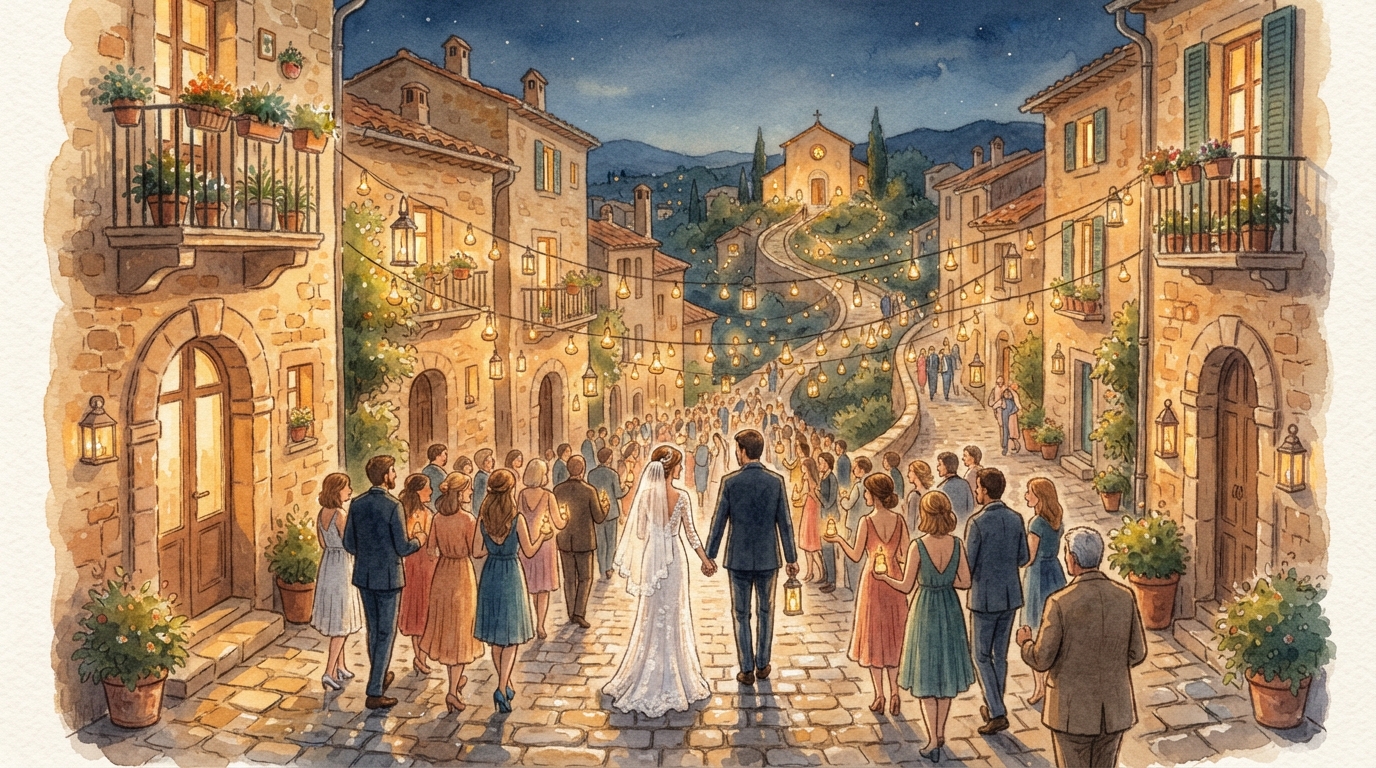
Knowing Jewish wedding customs makes biblical scenes even more vivid. But even more important is whom we see beyond those customs. Ultimately, the biblical imagery of marriage points to Christ as the bridegroom and His bride—the church. Holding onto this core changes how we read unfamiliar scenes. Some days, the joy of the feast fills our hearts; other days, the tension of waiting grips our chest. As we read scene by scene, God's timeless parables quietly guide us to reset our faith and life today, gently but surely.
 Bible Habit
Turn this article into today’s reading habit
Keep your McCheyne plan, sequential reading, notes, and progress together so the next passage is always clear.
- Today’s passages
- Reading checklist
- Notes and highlights