

Why Does Leviticus 11 Distinguish Between Creatures That May and May Not Be Eaten?
Leviticus 11 carefully distinguishes between creatures that may and may not be eaten and explains what to do after touching a carcass. This article explores how these repeated instructions relate to holiness.
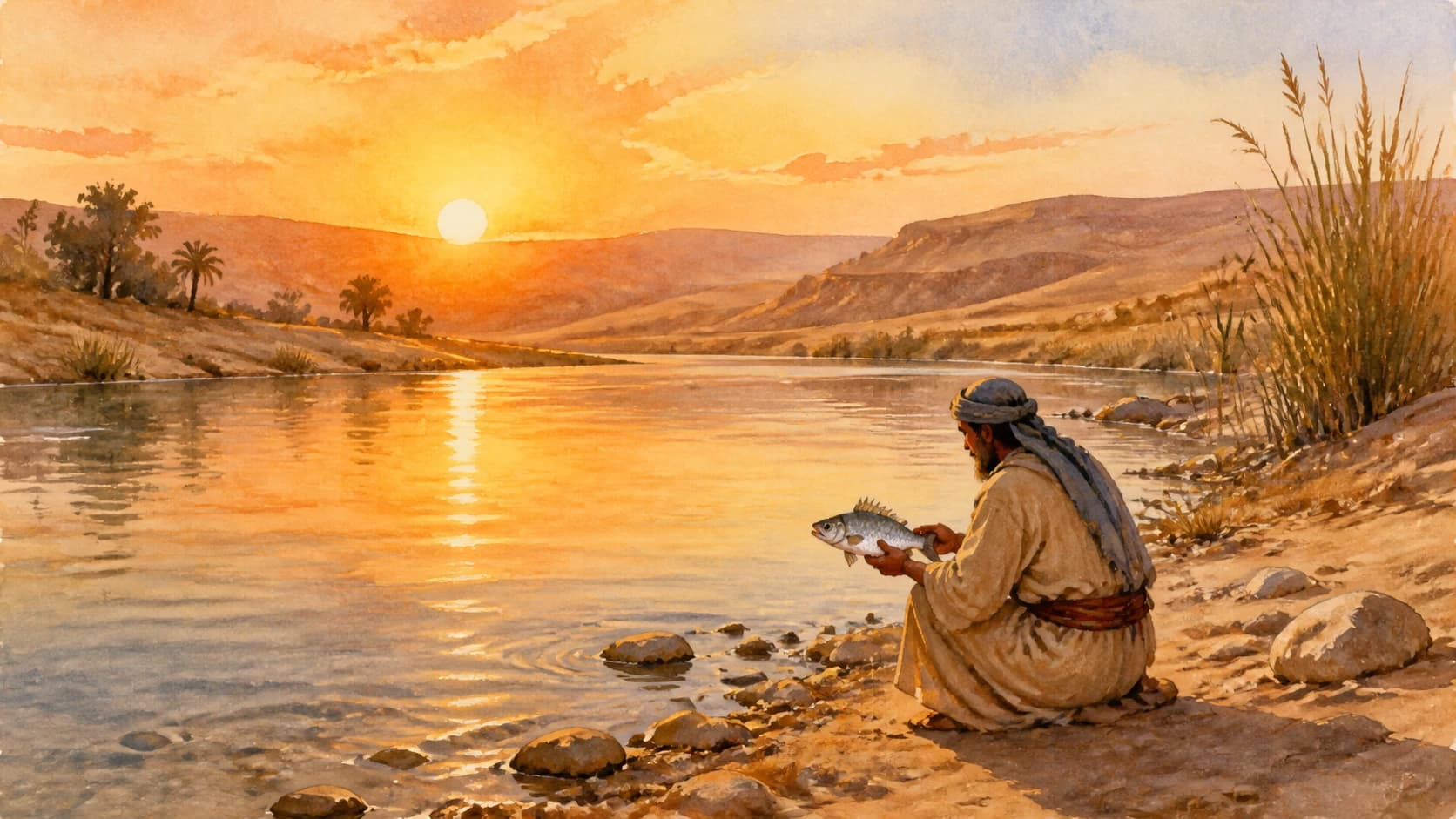
Leviticus 11 distinguishes between creatures that may and may not be eaten so that the Israelites would separate the unclean from the clean even in what they ate and touched. The chapter classifies land animals, aquatic creatures, birds, and insects in turn, and it also explains what to do after touching a carcass. It concludes by connecting all these regulations to the command that, because God is holy, his people must set themselves apart and keep their bodies holy.
There Were Clear Standards for Which Creatures Could Be Eaten
Land animals could be eaten only if they met both conditions: they had divided hooves and chewed the cud. Camels, hyraxes, and hares chewed the cud but did not have divided hooves. Pigs had divided hooves but did not chew the cud. Animals that met only one condition were still unclean, so the Israelites were not to eat their meat or touch their carcasses.
Aquatic creatures were also divided according to two conditions. Among everything living in rivers and seas, only creatures with both fins and scales could be eaten. Anything lacking either one was to be regarded as detestable and not eaten. The chapter also specifically listed the kinds of birds that could not be eaten.
Winged insects that walked on all fours were generally detestable. However, locusts, katydids, crickets, and grasshoppers with jointed legs for hopping could be eaten. Rather than leaving people to rely on vague impressions, the passage taught them to distinguish what could and could not be eaten according to each creature’s characteristics and kind.
The Rules Went Beyond Simply Not Eating Them
Beginning in verse 24, the consequences of touching or carrying a carcass are repeated. Anyone who touched the carcass of an unclean creature remained unclean until evening. Anyone who carried such a carcass had to wash their clothes and remained unclean until evening. Even if an animal was normally permitted as food, anyone who touched its body after it died naturally had to follow the same procedure.
The distinctions continued when a carcass came into contact with an object. A wooden article, garment, hide, or sack had to be placed in water and remained unclean until evening. If a carcass fell into a clay pot, any food or drink inside became unclean, and the pot had to be broken. An oven or cooking pot also had to be broken if a carcass fell on it.
Not every kind of contact produced the same result. A spring or cistern holding water did not itself become unclean, although anything that touched the carcass was unclean. If a carcass fell on dry seed, the seed remained clean, but if water had been added to the seed, it became unclean. The passage carefully considers not only the act of eating but also what came into contact with a carcass and the condition it was in.
These Distinctions Were Part of a Life That Kept the Body Undefiled
Beginning in verse 41, the command not to eat creatures that move along the ground appears again. God then tells the Israelites not to defile themselves with such creatures and become unclean. After the lists of permitted foods and the repeated instructions for handling carcasses comes the command, “Be holy, because I am holy.”
God identifies himself as Israel’s God and reminds them that he brought them up out of Egypt. The distinctiveness of a people who belonged to God was not limited to their thoughts. It shaped which creatures they ate, which carcasses they touched, and how they handled clothing and vessels that had become unclean.
Verses 46 and 47 summarize the chapter as regulations concerning animals, birds, aquatic creatures, and everything that moves along the ground. Their purpose was to distinguish between the unclean and the clean, and between creatures that could be eaten and those that could not. The long lists and repeated instructions in Leviticus 11 show that holiness was to be expressed through concrete choices in everyday life.
Today, read all of Leviticus 11 and mark both the commands not to eat certain creatures and the actions required after touching a carcass. This will help you see not only what the Israelites were to avoid, but also the repeated steps they had to take after becoming unclean.
Related articles
Deuteronomy 23 Sets Clear Boundaries for Holiness
Deuteronomy 23 establishes clear boundaries concerning the assembly, the camp, money, vows, and a neighbor’s property, safeguarding the community’s order and holiness.
Deuteronomy 22 Teaches Us Not to Ignore a Neighbor’s Loss or Danger
Deuteronomy 22 commands God’s people to return lost animals, help fallen animals, and build parapets around their roofs. It explores our responsibility not to ignore losses and dangers we can plainly see.
Deuteronomy 19 Prevents Hasty Revenge and False Judgments
Through its laws concerning cities of refuge, boundary markers, and witnesses, Deuteronomy 19 distinguishes accidental death from intentional murder and prevents hasty revenge and false judgments.
 Bible Habit
Turn this article into today’s reading habit
Keep your McCheyne plan, sequential reading, notes, and progress together so the next passage is always clear.
- Today’s passages
- Reading checklist
- Notes and highlights