

How Leviticus 19 Calls Us to Live Out Holiness
Leviticus 19 takes holiness beyond worship rituals and expresses it through concrete actions involving harvests, wages, justice, neighbors, and foreigners.
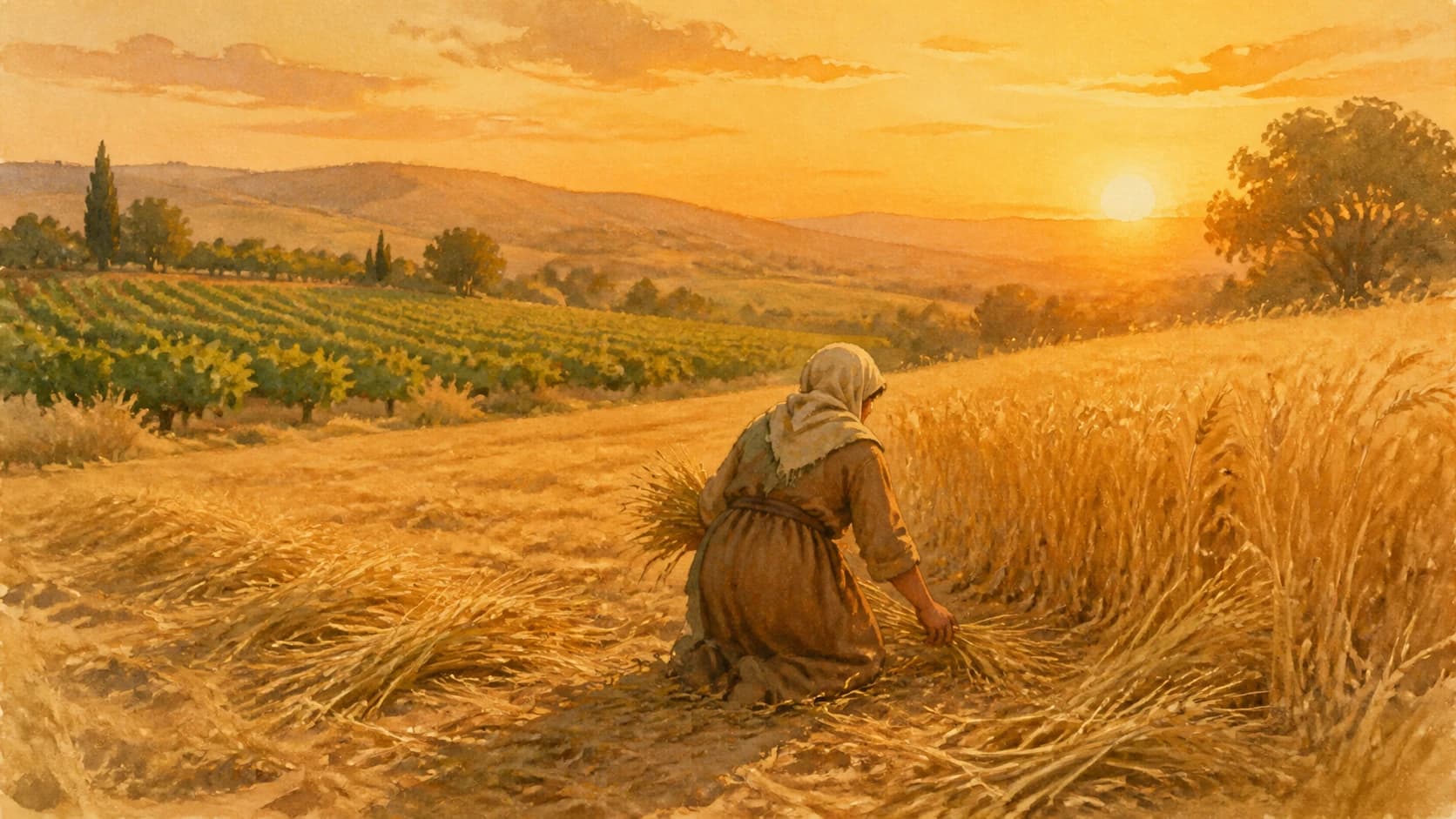
In Leviticus 19, holiness is not some extraordinary practice removed from everyday life. After commanding the entire assembly to be holy, God gives specific instructions not only about parents, Sabbaths, and sacrifices, but also about harvests, wages, justice, speech, and relationships. As we follow the chapter, we see that holiness means putting God’s commands into practice in every area of life.
The Command to Be Holy Was Given to the Whole Community
God told Moses to speak to the entire assembly of Israel and say, “Be holy.” The commands that follow were not entrusted to only a select few. Everyone was to respect their parents and observe the Sabbath. They were not to turn to idols or make gods for themselves.
When offering a fellowship sacrifice, they had to present it in a way that would be accepted by God. The meat was to be eaten within the appointed time, and anything left until the third day had to be burned. Simply offering the sacrifice was not enough. Even the way the offering was handled and the time within which it was eaten had to follow God’s command.
In this way, the command in verse 2 to be holy leads immediately to concrete actions concerning parents, the Sabbath, idols, and offerings. Their devotion to God was not expressed in words alone. It had to extend to actually keeping the instructions he had given them.
Holiness Meant Not Taking Everything for Yourself
God instructed the Israelites not to reap all the way to the edges of their fields. They were not to go back and gather fallen heads of grain. Nor were they to strip their vineyards bare or pick up the grapes that had fallen to the ground. These were to be left for the poor and the foreigner.
A landowner might have claimed everything produced by the field, but God set aside a portion that was not to be harvested. The poor and foreigners could gather what remained in the fields and vineyards. The command to be holy included refusing to grasp everything for oneself and leaving a share for others.
These instructions are followed by commands against stealing, deception, lying, and false oaths. The Israelites were not to defraud or rob their neighbors, nor were they to hold back a hired worker’s wages until the next morning. Refusing to steal what belongs to another person and paying fair wages on time belong to the same vision of holiness.
People Were Not to Be Treated Differently According to Their Power
The Israelites were not to curse a deaf person or place an obstacle in front of someone who was blind. When judging a case, they were neither to favor the poor nor show partiality to the powerful, but to judge fairly. They were forbidden from exploiting someone’s weakness simply because that person might not notice or be able to defend themselves.
Speech and the heart were also part of this standard. They were not to spread slander among the people or endanger a neighbor’s life. They were not to harbor hatred against a fellow Israelite, seek revenge, or bear a grudge against their own people. Instead, they were to love their neighbor as themselves. Holiness went beyond refraining from outward harm; it also meant letting go of hatred, revenge, and resentment.
The same standard appears again in the commands concerning foreigners. The Israelites were not to mistreat foreigners living among them. They were to regard them as native-born and love them as themselves. Verses 9 and 10 instruct Israel to leave part of the harvest for foreigners, while verses 33 and 34 command them not to mistreat foreigners but to love them. Care for foreigners was therefore repeated in both the harvest laws and the life of the community.
“I Am the LORD” Is Repeated Throughout These Commands
The declarations “I am the LORD” and “I am the LORD your God” appear repeatedly throughout Leviticus 19. They accompany the command to leave part of the harvest for others, the prohibitions against dishonesty and oppression, and the instructions about treating older people and foreigners. This refrain makes clear that all these seemingly different commands belong to a life of reverence for God and obedience to his laws.
At the end of the chapter, God commands the Israelites not to use dishonest standards in judging, measuring length, weight, or quantity. They were to use honest scales, weights, and measures. The standards used to judge people and measure goods were not to change according to power or profit. Holiness, then, is not something displayed only during worship. It includes what we leave for others, when we pay wages, whom we honor, and the standards by which we judge.
We can find one practical step for today in this same concreteness. If you have delayed paying someone wages or returning something that is rightfully theirs, make the payment today. You can also read all of Leviticus 19 again and consider, one area at a time, how far the command to be holy reaches into everyday life.
Related articles
Where Deuteronomy 24 Tells the Powerful to Stop
Deuteronomy 24 places limits on creditors, employers, and landowners. This article follows the chapter’s flow to explore why the poor must be allowed to keep their bedding, receive their wages, and have food to eat.
Deuteronomy 23 Sets Clear Boundaries for Holiness
Deuteronomy 23 establishes clear boundaries concerning the assembly, the camp, money, vows, and a neighbor’s property, safeguarding the community’s order and holiness.
Deuteronomy 22 Teaches Us Not to Ignore a Neighbor’s Loss or Danger
Deuteronomy 22 commands God’s people to return lost animals, help fallen animals, and build parapets around their roofs. It explores our responsibility not to ignore losses and dangers we can plainly see.
 Bible Habit
Turn this article into today’s reading habit
Keep your McCheyne plan, sequential reading, notes, and progress together so the next passage is always clear.
- Today’s passages
- Reading checklist
- Notes and highlights