

How Does Leviticus 26 Connect Obedience and Covenant?
Leviticus 26 draws a sharp contrast between the consequences of obedience and disobedience while affirming that, even in the midst of discipline, God will not break His covenant with Israel.
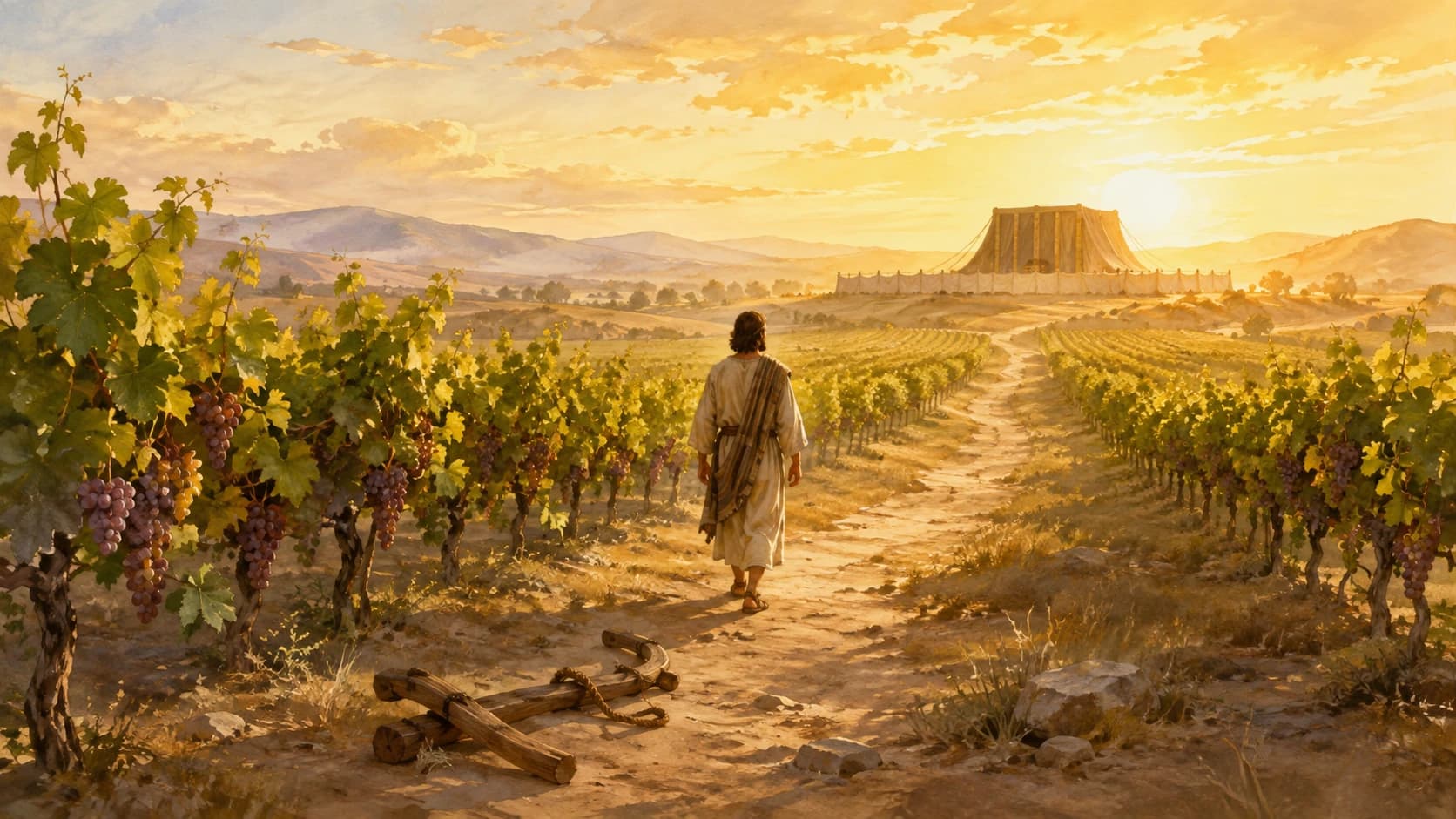
The heart of Leviticus 26 is not merely a formula in which obedience brings blessing and disobedience brings punishment. The chapter first anchors us in the truth that God brought Israel out of slavery in Egypt and established His covenant so that they might live as His people. To understand this chapter, we need to consider together the consequences that follow obedience and disobedience, the repeated warnings, and the covenant that is recalled at the end.
Obedience Is the Practical Expression of Living as God’s People
God commanded Israel not to make idols or set them up for worship. He also told them to observe His Sabbaths and reverence His sanctuary. He then promised that if they followed His statutes and faithfully obeyed His commandments, He would send rain in its season.
With rain, the land would yield its produce and the trees would bear fruit. Threshing would continue until the grape harvest, and the grape harvest until the time for sowing. The people would eat their fill and live securely. If God granted peace, they could lie down without fear, while wild animals and the sword of war would no longer sweep through the land.
Yet this promise goes beyond food and safety. God said that He would set His dwelling among Israel and walk among them. He would be their God, and they would be His people. Keeping His statutes and commandments was how a people already freed from slavery in Egypt were to live under the rule of the God who had delivered them.
Verse 13 makes the foundation of this relationship clear. God had broken the bars of their yoke and enabled them to walk with heads held high. Israel’s obedience was not a condition for escaping slavery. It was the path set before a people who had already been delivered from it.
As Disobedience Continues, the Order of Life Unravels
Beginning in verse 14, the chapter turns in the opposite direction. If the people refuse to listen to God or obey His commands, reject His statutes, and abhor His laws, they break His covenant. Disease follows, their sowing is in vain, and their enemies consume the crops. The abundant harvest and security promised for obedience are reversed.
If they still refuse to listen after experiencing these things, the discipline grows more severe. The passage repeatedly uses the phrase “seven times over.” The land no longer yields its produce, and the trees bear no fruit. Wild animals attack people and livestock, and the roads become deserted. The sword and plague strike their cities, while food becomes so scarce that they eat without being satisfied.
The same pattern recurs in phrases such as “if after all this,” “in spite of these things,” and “if in spite of this.” Discipline does not appear as a single, isolated event. As the people persist in refusing to listen and continue to oppose God, the consequences become increasingly severe. At last, their cities and land lie desolate, and the people are scattered among the nations.
The statement that the desolate land will enjoy its Sabbaths is especially connected to the earlier command concerning Sabbath rest. The land receives during its desolation the rest that the people denied it while they lived there. Disobedience does not end with personal hardship; it disrupts even the rhythms of rest and the order God established for the land.
Even at the End of Discipline, the Covenant Is Not Abandoned
The direction changes again when the scattered people confess their sins and the sins of their ancestors, acknowledge their unfaithfulness toward God, and humble their hearts. God says that He will remember His covenants with Jacob, Isaac, and Abraham, and that He will remember the land.
Although the people are punished for their sins, God does not reject them or utterly destroy them while they are in the land of their enemies. Nor does He break His covenant with them. He had brought their ancestors out of Egypt so that He might be their God.
Leviticus 26, therefore, does more than list the blessings of obedience and the punishments of disobedience. It presents one continuous story: the God who broke the bars of slavery in Egypt, the God who desires to dwell among His people, the God who disciplines repeated disobedience, and the God who does not abandon His covenant even after His people have been scattered.
Today, as you read all of Leviticus 26, write down one consequence that follows “following and obeying” God and one that follows “turning against Him and refusing to listen.” Seeing these two paths side by side will help you understand more clearly how the chapter’s lengthy warning unfolds within Israel’s covenant relationship with God.
Related articles
Deuteronomy 22 Teaches Us Not to Ignore a Neighbor’s Loss or Danger
Deuteronomy 22 commands God’s people to return lost animals, help fallen animals, and build parapets around their roofs. It explores our responsibility not to ignore losses and dangers we can plainly see.
Deuteronomy 19 Prevents Hasty Revenge and False Judgments
Through its laws concerning cities of refuge, boundary markers, and witnesses, Deuteronomy 19 distinguishes accidental death from intentional murder and prevents hasty revenge and false judgments.
Why Deuteronomy 17 Places Both Judges and Kings Under God’s Word
Deuteronomy 17 places everything—from investigating serious charges to handling difficult cases and limiting royal authority—under God’s commands, showing how human judgment can remain impartial.
 Bible Habit
Turn this article into today’s reading habit
Keep your McCheyne plan, sequential reading, notes, and progress together so the next passage is always clear.
- Today’s passages
- Reading checklist
- Notes and highlights