

From Mount Sinai to the Cross: The Path of God's Holiness and Grace Revealed by the Law
The law is not a condition for salvation but a revelation of God's holiness and a mirror that exposes human sin, guiding us to Christ. This article explores the relationship between the law and the gospel within the biblical narrative from Mount Sinai to the Cross.
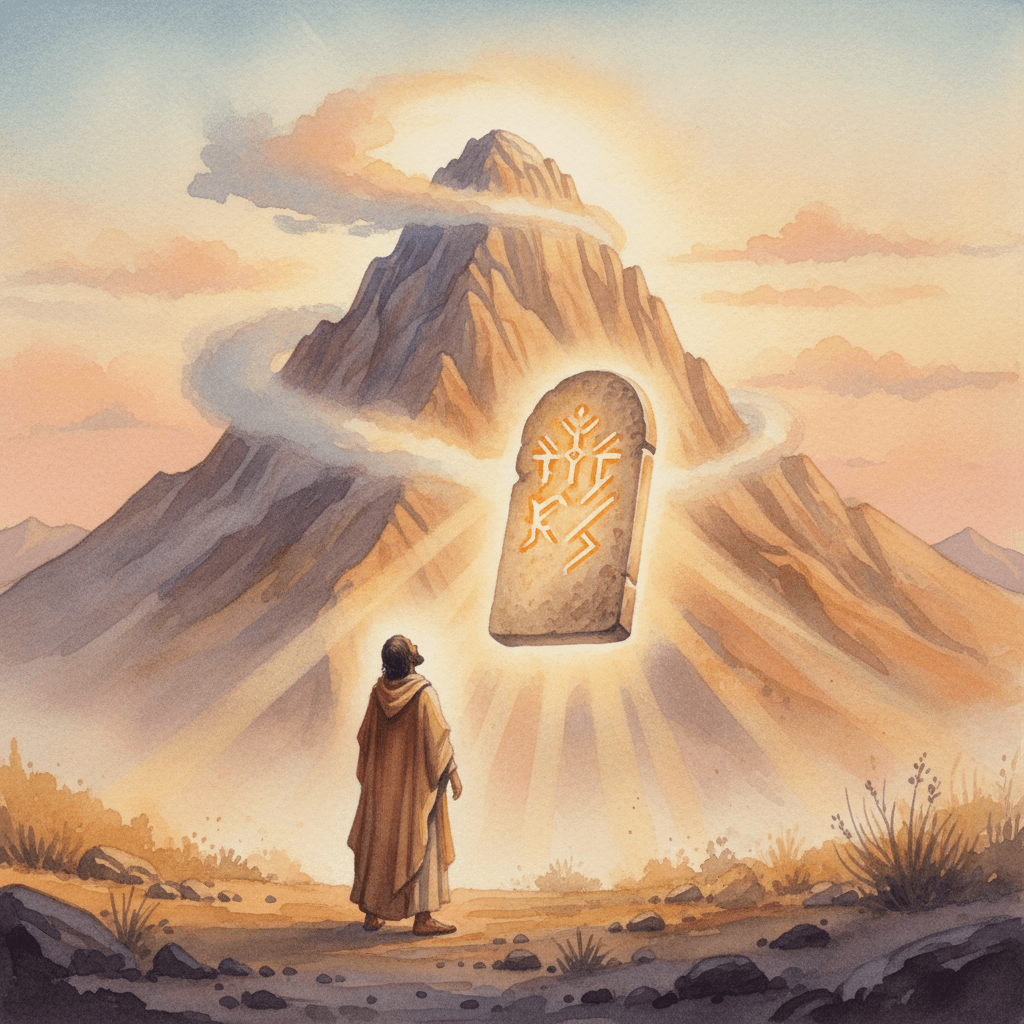
From Mount Sinai to the Cross: The Path of God's Holiness and Grace Revealed by the Law
When reading the Bible, the law often becomes a misunderstood subject. Some see it merely as a set of rules to follow, while others think that since the age of the gospel has arrived, it has become almost irrelevant. However, the Bible does not treat the law lightly. The law is the word that reveals God's holiness, sheds light on human sin, and ultimately plays a vital role in leading us to Christ. Therefore, understanding the law rightly is essential for a deeper and clearer grasp of the gospel.
First, it is crucial to remember that the law is not the starting point of salvation. Before giving the law to Israel, God first delivered them from Egypt. In Exodus 20, before the Ten Commandments begin, God declares, “I am the LORD your God, who brought you out of the land of Egypt, out of the house of slavery” (Exodus 20:2). This order is vital. God first delivers and then teaches His people how to live. The law is not a price for salvation but a guide for life granted to those who are saved by grace.
Missing this point can easily lead faith into two wrong directions. One is self-righteousness, believing that because I am better than others, diligent, and religious, I can be accepted by God. The other is endless despair, feeling that no matter how hard I try, I am always inadequate and cannot stand before God. However, the Bible states that both are mistaken paths. The law is not given to boast about oneself nor to leave us in despair. Instead, it shows us our true condition and leads us to seek God's grace.
Paul affirms, “So then, the law is holy, and the commandment is holy, righteous, and good.” (Romans 7:12). The law itself is good. The issue lies not with the law but with us, sinners. When faced with God's holy standard, our hearts quickly reveal how easily they warp. We can appear decent on the outside, yet be proud internally; behind kind words, there may be calculation; appearing righteous may mask pursuit of personal glory. The law exposes these hidden layers of the heart.
The interpretation Jesus provides in the Sermon on the Mount makes this point even clearer. The command not to murder does not end with simply not wielding a knife. harboring anger or contempt toward a brother is also a light matter before God. Likewise, the command not to commit adultery is not limited to actions. Jesus said that anyone who looks at a woman lustfully has already committed adultery in his heart (Matthew 5:28). Therefore, the law is not a tool for surface appearances but a mirror that reflects deep into the heart. The more someone perceives themselves as okay, the more clearly they see their limitations in front of this mirror.
Israel's history also demonstrates this role of the law. Although they experienced God's salvation in the wilderness, they did not immediately become obedient followers. They built a golden calf, grumbled, and trembled in fear. The law was given, but human nature did not change instantly. Instead, the law made their disobedience even more apparent. This is not a failure of the law but a testament to the reality of human sinfulness. The Old Testament history is thus not merely a record of past failures but a recurring testimony of what humans are before God's standards.
However, the law is not only negative in function. It reveals God's character. It shows who God is, what kind of life pleases Him. Even in the Ten Commandments, this is evident. The command to worship only God stems from His the unique true divine nature. Respecting parents, not bearing false witness, and not coveting reflect God's love for order, truth, and holiness. The laws in Leviticus and Deuteronomy demonstrate that God does not leave His people to live carelessly but calls for holiness in worship and daily life.
Particularly, the Old Testament sacrificial system may seem unfamiliar, but it is vital for understanding the gospel. The repeated offering of animal blood signifies that sin is never trivial. Hebrews 9:22 states, “Without the shedding of blood, there is no forgiveness.” Approaching God was never possible without a cost. Against this background, we direct our gaze to Jesus Christ’s cross. Jesus did not dismiss the law but fulfilled it perfectly. His words, “Do not think that I have come to abolish the Law or the Prophets; I have not come to abolish them but to fulfill them” (Matthew 5:17), clearly show that the gospel is not a cheap pardon opposing the law.
Christ achieved the perfect obedience we could not and bore the punishment we deserved. Therefore, sinners are justified not by their deeds but by faith in Christ. This is central, not peripheral, to faith. Humanity cannot achieve righteousness through law actions but only through believing in Jesus Christ. Paul declares, “For we hold that one is justified by faith apart from works of the law” (Romans 3:28). If the law exposes our wounds, the gospel not only covers them but possesses the power to truly save.
So how should Christians today interpret the law? They must no longer seek salvation through the law. Nor should they discard it as a useless relic. The law still teaches God's will and character. Through it, we learn what God hates and what He delights in. Equally, it makes us honest about how easily we waver before God's standard. When both are held together, reading the law becomes a time not of condemnation but of humility and clarity in the gospel.
This point also matters when considering what Bible reading through the whole Scripture entails. As we read from beginning to end, we see that the Law, historical books, Psalms, Prophets, Gospels, and Epistles are interconnected within one overarching redemptive story. Moreover, looking at it from the perspective of McCheyne Bible Reading Plan, following both the Old and New Testaments together helps us better understand the relationship between law and gospel. The key is not the quantity we read but the recognition that the whole word ultimately testifies of Christ.
In everyday life too, this applies. It's easy to think that small lies at work are just part of being proficient. Exaggerating results, avoiding responsibilities lightly, and speaking only what benefits us may seem skilled in the worldly sense. Yet, before God's word, these are revealed not as wisdom but as a matter of truth. The same applies at home: even if outwardly polite and religious, we may speak sharply or show indifference to close ones. The law does not allow this fragmented life because love for God and love for neighbor are inseparable.
Thus, when reading the law, we should not merely stop at “You should” or “You shouldn't.” We must ask, what does this reveal about how God appears? What do I love, fear, and rely on? This way of reading better demonstrates what meditation truly means. The law is not a cold list of rules but a living word that sets our hearts before God. If necessary, starting with short passages like today’s manna or using Bible reading plans and 365-day schedules can help maintain a steady reading habit.
Ultimately, the law does not push away the gospel but deepens our recognition of our need for it. The law does not lower God's standards; the gospel, in the face of that high standard, rescues fallen sinners through Christ. Thus, those who seriously study the law do not boast in themselves but draw nearer to grace. And those who know the gospel do not see the law as a frightening document but learn how the holy God is shaping us into His image. The divine call for holiness beginning at Mount Sinai is not blurred at the cross; rather, in Christ, His love—vast and heavy—becomes even more vividly revealed.
There are times when, reading the word, the weight of the law presses heavily on our hearts. But we must not let that heaviness push us away from God. Instead, we should look together at God's holiness that does not take sin lightly, and at His love, which sent His Son for sinners. Then, the law becomes not a wall of condemnation but a pathway that reminds us of the greatness of Christ’s grace. Today, anyone who stands before the word will again learn how to live not by their strength but through the power of the gospel.
Related articles
Why Does Deuteronomy 27 Command Israel to Write the Law on Stones and Respond “Amen”?
Deuteronomy 27 commands Israel to write the Law on stones and requires all the people to answer “Amen” after each curse is proclaimed. This repeated response reveals the kind of life expected of those entering the land.
Why Does Deuteronomy 4 Tell Us to Remember and Obey?
Deuteronomy 4 explains why Israel must remember what they personally saw and heard God do, refuse to make idols, and obey his word without adding to it or taking away from it.
How to Read the Ten Commandments in Exodus 20
Rather than viewing the Ten Commandments in Exodus 20 as a list of prohibitions, see them as a guide for the life of a redeemed people. We calmly reflect on how the order of the gospel, heart idols, Sabbath, and greed relate to our daily lives today.
 Bible Habit
Turn this article into today’s reading habit
Keep your McCheyne plan, sequential reading, notes, and progress together so the next passage is always clear.
- Today’s passages
- Reading checklist
- Notes and highlights