

Moses Refused to Go Without God’s Presence
In Exodus 33, Moses valued God’s presence more than the Promised Land. Discover what set Israel apart and how God answered Moses.
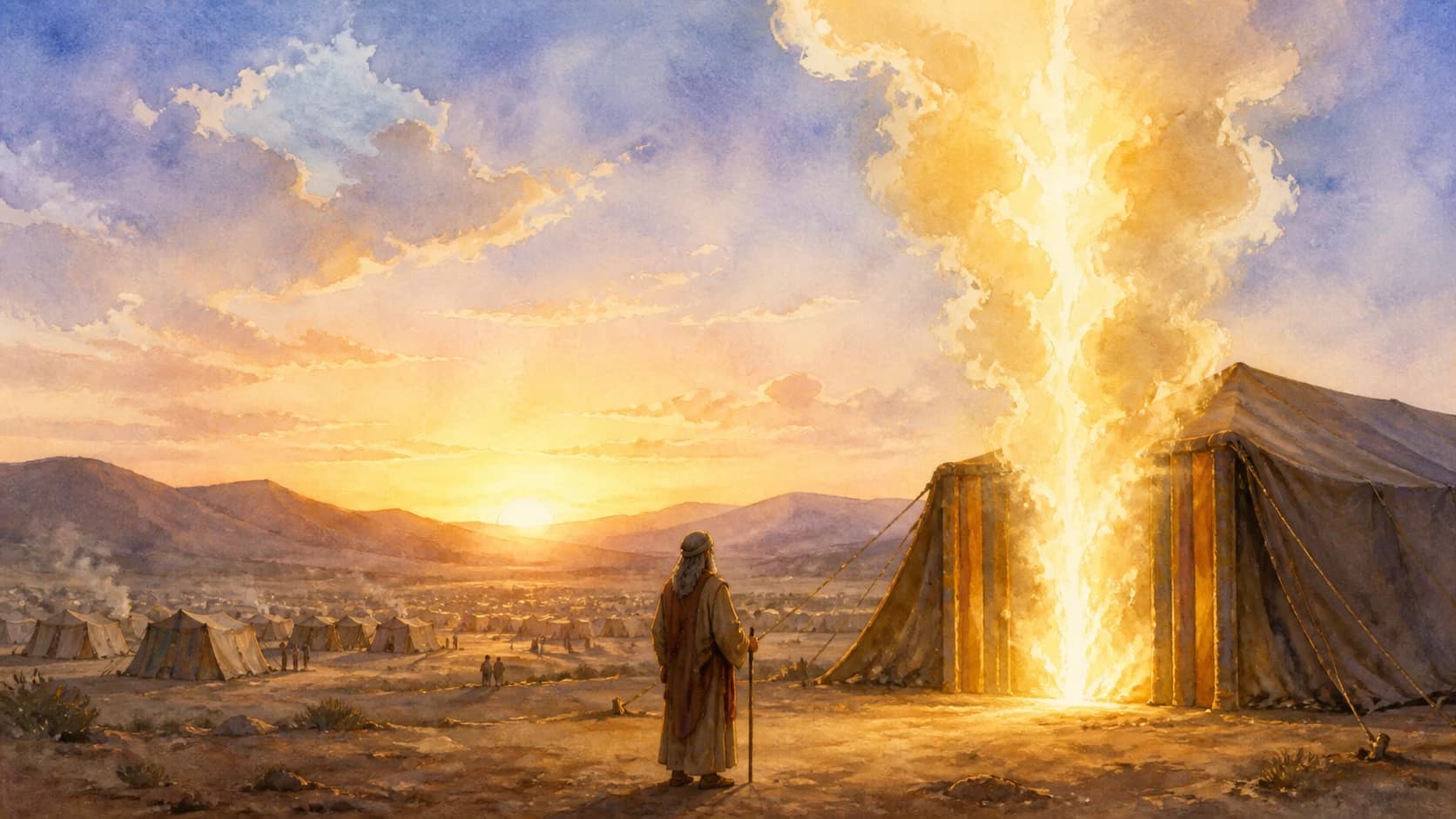
Moses did not believe that reaching the Promised Land was enough. In Exodus 33, he asks God not to send them forward unless God himself goes with them. What distinguishes Israel from every other nation is that God goes with his people.
The Promised Land Was Granted, but God’s Presence Was Not
God told Moses to lead the people toward the land he had promised. He also said that he would send an angel ahead of them to drive out the nations living there and bring Israel into a land flowing with milk and honey.
Yet God said that he himself would not go with them. Israel was a stiff-necked people, and if God remained among them, he might destroy them along the way. Their destination and journey were still assured, but God’s presence had been withdrawn.
When the people heard this, they mourned. No one put on any ornaments, and after receiving God’s command, they removed their jewelry at Mount Horeb. Rather than celebrating the news that they were heading to a good land, they laid aside their adornments because God would not go with them.
God Spoke from the Tent of Meeting Outside the Camp
Moses pitched a tent some distance away, outside the camp, and called it the tent of meeting. Anyone seeking the Lord would go to the tent of meeting beyond the camp. Whenever Moses went there, the people stood at the entrances of their own tents and watched until he went inside.
When Moses entered the tent, the pillar of cloud descended and stood at its entrance, and God spoke with Moses there. When the people saw the pillar of cloud, they worshiped at the entrances of their tents. Although the tent of meeting stood far outside the camp, God spoke with Moses face to face, as one speaks with a friend.
This scene reveals both the people’s condition and the relationship Moses enjoyed with God. The people watched the distant tent, while Moses entered it and heard God’s voice. It was within this conversation that Moses made the request that followed.
Moses Asked God Himself to Go with Them
Moses told God that although he had commanded him to lead the people forward, he had not revealed whom he would send with him. Because God had said that he knew Moses by name and that Moses had found favor in his sight, Moses asked God to teach him his ways. He also pleaded with God to remember that Israel was his people.
God answered that his presence would go with Moses and that he would give him rest. But Moses did not stop there. He asked God not to send them up from that place unless God himself went with them.
Moses clearly explained why. The evidence that he and the people had found favor with God was that God went with them. What distinguished Israel from every other nation on earth was not the prosperity of the land or even the angel sent ahead of them, but God’s presence among them. God promised to do what Moses had asked and once again affirmed that he knew Moses by name.
Moses Saw God’s Glory in the Way God Allowed
Moses then asked God to show him his glory. God said that he would cause all his goodness to pass before Moses and proclaim the name of the Lord. But he also made it clear that Moses could not see his face.
God said that he would place Moses on a rock and hide him in a cleft while his glory passed by. God would cover Moses with his hand, then remove it so that Moses could see his back, but not his face. Moses’ request was granted, yet God determined how much of his glory Moses would see and in what way.
Exodus 33 draws a clear distinction between reaching the destination and journeying with God. Moses did not cling to the promise of the land alone. He declared that God’s presence was what set him and the people apart, and God answered that he himself would go with them.
For one practical step today, reread Exodus 33, verses 15–16. Write down one outcome you are hoping for, then add a sentence explaining why walking with God matters more than the outcome alone.
Related articles
Why Does Deuteronomy 4 Tell Us to Remember and Obey?
Deuteronomy 4 explains why Israel must remember what they personally saw and heard God do, refuse to make idols, and obey his word without adding to it or taking away from it.
Why Did Israel Disobey Both Commands?
Deuteronomy 1 contrasts Israel’s refusal to go up when commanded with their later decision to go up after being told not to.
Why Does Numbers 33 Record Israel’s Journey?
Numbers 33 records Israel’s journey from Egypt to the plains of Moab and reveals the commands the Israelites were required to obey when they entered Canaan.
 Bible Habit
Turn this article into today’s reading habit
Keep your McCheyne plan, sequential reading, notes, and progress together so the next passage is always clear.
- Today’s passages
- Reading checklist
- Notes and highlights