

Turning Ancient Language into Today’s Obedience: Deepening Your Reading of the KJV Bible
Understand both the familiarity and uniqueness of the King James Version, and explore practical ways to interpret and apply the Word through contextual reading and short routines, leading to a life of obedience.
Why the King James Bible Still Resonates Deep in Our Hearts
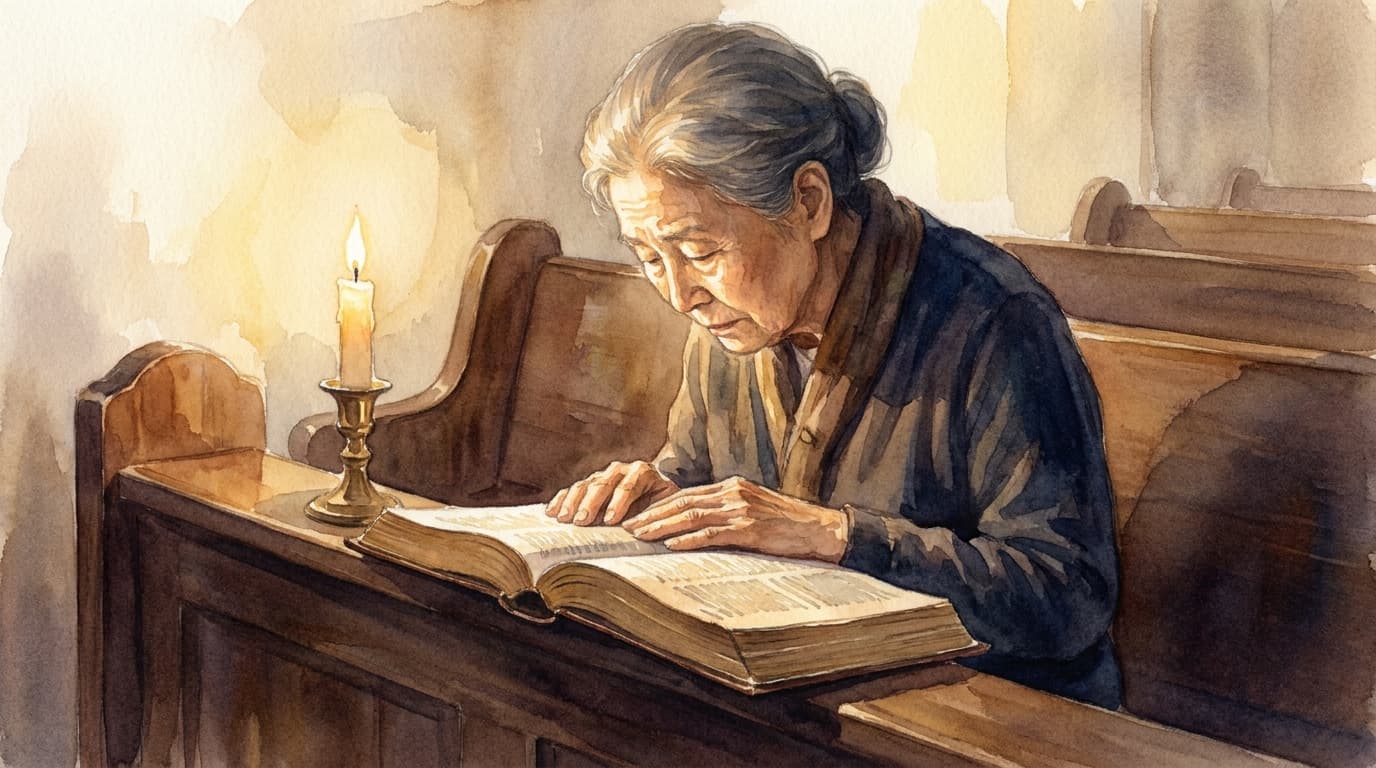
Many who seek out the King James Bible often say it’s not just because it’s an old translation, but because its style carries the memories of faith. Verses heard in worship, words clung to during difficult times, or passages memorized long ago remain vividly in our hearts through its expressions. Opening this translation again isn’t simply reading old sentences; it’s revisiting times when we stood before the Word.
However, once you start reading, there are moments when the sentences don’t come easily. Unfamiliar vocabulary, strange sentence structures, or condensed expressions can cause the flow to break. At these moments, the key isn’t about debating which translation is better but about how to more clearly understand God’s Word and live it out. Psalm 119:105 says, “Thy word is a lamp unto my feet, and a light unto my path.” Our attitude toward Bible translation should ultimately reflect this confession. The Word is given to illuminate us and lead us to obedience, not merely to be an object of comparison.
Understanding the Features of the King James Bible Makes Reading Easier
The King James was a widely read translation within the Korean church for generations. Its formal style and rhythmic flow make it suitable for worship and memorization. Some find that listening to certain verses in this translation resonates more deeply due to their powerful brevity.
At the same time, the translation employs expressions that may sound distant from our everyday language. For first-time readers, this can feel challenging. But it’s important not to dismiss it immediately just because it sounds unfamiliar. Instead, these translations slow us down—they encourage us to read carefully, pause for reflection, and meditate on each word. Slow reading allows for deeper understanding.
Historically, the Bible has always been read and explained within the community of faith. Nehemiah 8:8 states, “So they read in the book in the Law of God distinctly, and gave the sense, and caused them to understand the reading.” The goal of reading Scripture isn’t just to recite it aloud but to understand its meaning and stand before God rightly. Reading the King James follows this principle: read, reflect, comprehend, and obey.
The Reason You’re Stuck Doesn’t Mean You Lack Spirituality
Many who frequently stop while reading the KJV judge themselves harshly, thinking, “Maybe I don’t love the Word,” or “Is my focus lacking?” However, that’s not necessarily true. The slower pace of understanding due to the different language style is natural. The crucial point is to avoid giving up when you hit difficulties.
For example, when reading Psalms, isolating one verse might leave you with the emotional feeling but lose the full meaning. Reading the surrounding verses clarifies whether it’s a lament, thanksgiving, or confession of repentance. The same applies to the Gospels. A single statement of Jesus might sound stern if taken alone, but understanding who He’s speaking to reveals grace and truth together. That's why context reading is especially vital in the KJV. It’s better to grasp the flow of a paragraph than simply the impression of a single verse.
God’s Word should always be received within its correct meaning. The Bible is the inerrant Word of God, guiding us toward Christ and serving as the standard for faith and life. Therefore, even if the language feels unfamiliar and understanding is slow, a humble attitude trying to follow the text is essential. Slow reading trains us to humble ourselves before the Word.
Four Practical Reading Methods That Help
-
Read in sections. Habitually reading only small portions can lead to misunderstanding. Reading in context makes even unfamiliar expressions clear in relation to the overall message. Using tools like Bible reading that present the text consecutively can help.
-
Mark unfamiliar words and review them all at once. Stopping repeatedly during reading interrupts the flow. Read a whole paragraph first, then revisit the marked words. Understanding just one word can often unlock a whole sentence.
-
Start with familiar passages. Psalms, Mark, John, and Genesis are good starting points for re-reading. Knowing the overall content makes it easier to accept the unfamiliar style. Especially in the Gospels, following Jesus’ actions and words gradually makes the language of the KJV more comfortable.
-
End your reading with a question for your life. Don’t stop at “What does it mean?” but ask, “How should I live today?” Hebrews 4:12 proclaims, “For the word of God is quick, and powerful, and sharper than any twoedged sword.” The Bible isn’t just to inform but to reflect your heart and transform your life.
A Realistic Routine of Just 15 Minutes
The KJV is better suited for short, steady readings rather than prolonged study. If you try to read too much at once, you might quickly become discouraged. Building a small, daily rhythm is more effective.
- 5 minutes: Choose a section to read slowly aloud.
- 5 minutes: Reread and mark repetitive phrases and key sentences.
- 3 minutes: Write down one verse that touches your heart today.
- 2 minutes: Consider one obedience you will practice today.
For example, in the morning, read a Psalm; in the evening, a paragraph from the Gospels. The goal isn’t quantity but enabling the Word to enter your thoughts and choices each day. After reading today’s manna and checking your daily direction, continue with the KJV text. This naturally links the Word to everyday life.
Weekly review is also helpful—look back on the passages you’ve read and notice what God seems to be emphasizing. It’s okay if your speed slows or if you miss days; simply restart. Using tools like Progress Calculator can help track your flow, emphasizing consistency over urgency.
If you prefer a more organized approach, consider following a Bible reading plan. What matters most isn’t the plan itself but your commitment to meet the Word regularly.
Consider a Short Example
Imagine reading Psalm 23 in the KJV during a busy morning preparing for work. At first, only familiar phrases catch your eye. Yet, as you read slowly again, you’re moved by “He restoreth my soul.” You realize that your body might be tired, but your heart was weary even before. The Word isn’t just beautiful language but a light exposing your current state. That day, it might lead you to speak less impatiently and entrust your heart to the Lord in small acts of obedience. The fruit of Bible reading isn’t an emotional rush but a real shift in direction.
Bible Verses to Hold On To
Joshua 1:8 says, “This book of the law shall not depart out of thy mouth; but thou shalt meditate therein day and night, that thou mayest observe to do according to all that is written therein.” Bible reading grows through repeated meditation, not just on special days.
Romans 15:4 reminds us, “For whatsoever things were written aforetime were written for our learning, that we through patience and comfort of the scriptures might have hope.” Even the old expressions in the Bible still teach us today.
Psalm 1:2 describes the blessed man as someone who “delighteth in the law of the LORD; and in his law doth he meditate day and night.” To delight in the Word doesn’t mean every verse will immediately feel easy. If understanding is difficult, persist, reread, and discover joy within the meaning.
2 Timothy 3:16 underscores the divine inspiration of Scripture: “All scripture is given by inspiration of God, and is profitable for doctrine, for reproof, for correction, for instruction in righteousness.” Whether reading the KJV or another translation, the key attitude is to accept the Bible as God’s authoritative Word and learn from it.
The Purpose of Reading the KJV Bible Remains Consistent
The reason for reading the KJV isn’t just to hold onto its old style. It’s to reverence God’s Word more deeply and to be shaped by His Word—thoughts, words, and actions. Knowing the features of the translation is helpful, but what’s more crucial is to truly know God through His Word and live within the Gospel.
If it feels difficult, don’t see it as failure but as an invitation to slow down. Read a paragraph today, hold onto a sentence, and leave one act of obedience. Over time, the unfamiliar style of the KJV will seem clearer, and the Word will be engraved more deeply in your heart. Then, you’ll stand before the Lord, who speaks through His Word, beyond just the translation.
It’s okay if the style of the KJV feels unfamiliar. The goal of reading Scripture isn’t immediate perfect understanding, but to dwell daily in the Word and grow closer to God. Through faithful reading and meditation, the Holy Spirit will renew our minds and help us see Christ more clearly. In this way, His Word strengthens our faith today and shapes our lives through small acts of obedience.
Related articles
How to Choose a Bible Reading App That Lasts
What should you consider when selecting a Bible app? Today, we review accessibility, note-taking and progress tracking, notifications, and interface design to establish criteria for cultivating a lasting habit of Scripture reading.
One-Month Bible Summary: A Reading Plan to Guide Your Full Reading
The one-month Bible summary is not a substitute for reading through the Bible but an introductory step that helps grasp the overall flow. Following the storyline from creation to new creation, this plan organizes practical steps and routines to read the entire Bible accurately within a month.
Reading Through the Old Testament: Begin with the Flow of Each Book
This guide to reading the Old Testament explains why it can feel overwhelming and organizes the broad flow of the Pentateuch, historical books, wisdom books, and prophets together with a daily routine for continuing steadily.
 Bible Habit
Turn this article into today’s reading habit
Keep your McCheyne plan, sequential reading, notes, and progress together so the next passage is always clear.
- Today’s passages
- Reading checklist
- Notes and highlights