

Reflection on Psalm 22: Hope in the Forsaken Night
Explore how the lament of suffering transforms into praise through reflection on Psalm 22. This article provides an overview of Psalm 22, key words, Messianic fulfillment, and practical application today, presented in a cohesive flow.
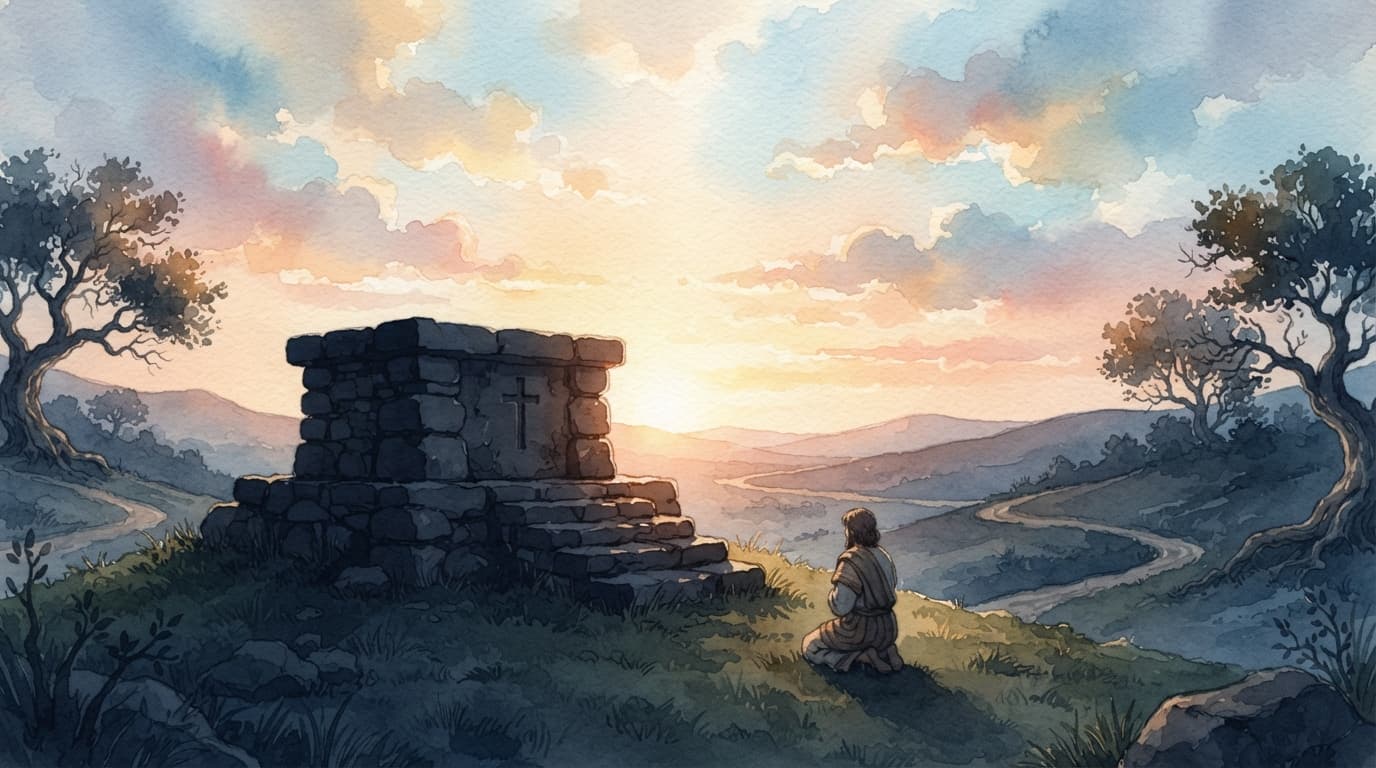
Reflection on Psalm 22: Holding onto the Name Even in the Night of Abandonment
Psalm 22 immediately captures the reader's heart. The opening verse, "My God, my God, why have you forsaken me?" is widely known, but if you read the entire psalm, it's clear that it is not merely a cry of despair. It begins with the deepest lament and moves toward community praise and the nations' worship. Therefore, Psalm 22 is both a language of suffering and a path of hope.
In the early part of this psalm, certain words are repeated frequently. Expressions like "cry out," "far away," "suffering," "mockery," and "surrounded" recur. David cries out to God, yet feels unanswered. In verse 2: "I cry out by day, and you do not answer, and by night, but I find no rest," he says. This isn’t due to weak faith, but because the pain is overwhelming. The Bible records not only confident prayers but also heart-wrenching pleas, showing that even a broken heart can come before God.
Amidst David’s lament, there is an unexpected confession: "But you are holy, enthroned on the praises of Israel" (Psalm 22:3). Despite the darkness of the situation, this affirms that God's character remains unchanging. The psalmist recalls the trust of ancestors and their deliverance. It indicates that the present feelings are not the whole story. Faith is not a facade of no pain, but a grasping struggle to remember who God is even in pain.
What makes Psalm 22 particularly remarkable is its Messianic fulfillment. The mockery in verses 7-8, the pierced in verse 16, and the act of dividing garments in verse 18—“They divide my garments among them, and cast lots for my clothing”—all echo Jesus’s crucifixion. Jesus Himself quoted Psalm 22:1 in Matthew 27:46. He bore our sins and the true abandonment that comes with it. So, the psalmist's lament isn’t just despair but a prayer reaching towards God, even from the cross.
The turning point in the psalm occurs at verse 21, ending with: "You have answered me." From here, the tone shifts. The one who cried alone now declares in the presence of brothers that God will be praised. Verse 22: "I will declare your name to my brothers; in the midst of the congregation I will praise you," is also quoted in Hebrews 2:12. The lament is replaced by praise, not simply because God's response arrives, but because the focus changes, looking at God who has responded.
The latter part of the psalm extends beyond individual salvation. Verse 27 says, "All the ends of the earth shall remember and turn to the Lord." The cry of one suffering individual becomes an act of worship among nations. God is not merely fixing immediate problems; He uses a single night of hardship to accomplish a greater story of salvation. Even the small groans I offer today, when held in God's hands, can become testimonies of faith.
Applied practically, Psalm 22 becomes especially a source of strength during lonely or misunderstood times. When our efforts go unrecognized, or our words are dismissed at home or work, or even when prayer seems ineffective, we should first tell God honestly about our situation, not just fixate on the problems. Then, attach His character to your words: "I am overwhelmed, but you are holy." "I do not understand, but you know me." These one-line confessions aren’t mere mantras to hold us up but renewed declarations of faith.
If any expressions in this reading resonate, take time to slowly revisit Psalm 22 in 성경 읽기. Highlight repeated words from verse 1 to 31, jot short notes next to verses 3, 21, and 27, and observe the flow of lament, remembrance, response, and praise. Once the movement becomes clear, the psalm will feel more accessible. When unsure how to meditate on Psalms, reading 묵상이란 can also be encouraging.
Another key point: Psalm 22 does not dismiss emotions but also does not dwell solely in them. It does not end with self-soothing without God but leads to declaring God before the congregation. Meditation, thus, isn’t just personal comfort but reflects on how God has supported us, eventually calling us to proclaim His goodness to others. If today’s heart feels heavy, read a verse from 오늘의 말씀, and juxtapose it with Psalm 22’s confession.
This week, choose one action to practice: when trouble strikes, write in your phone or notebook “One line of my lament now” and “One line of God's character I still cling to.” Psalm 22 asks us: even amid suffering, am I still calling Him "My God"?
 Bible Habit
Turn this article into today’s reading habit
Keep your McCheyne plan, sequential reading, notes, and progress together so the next passage is always clear.
- Today’s passages
- Reading checklist
- Notes and highlights