

Psalm 14 Commentary: When Everyone Is Shaking, Seeing Humanity Again Before God
Psalm 14 vividly portrays human universality of sin, God's omniscient gaze, and the hope of salvation. While diagnosing dark times, it ultimately leads us to trust in God as our refuge amidst adversity.
Psalm 14 Commentary: A Word That Illuminates the Hearts of Humanity in an Era That Has Erased God
Psalm 14 succinctly captures the universal human sinfulness, God's all-seeing gaze, and the hope of salvation. Initially, it may sound like a declaration condemning the evil of the world, but as we follow closely, its focus turns inward—toward our own hearts. David laments over a society fallen apart, yet his lament does not end in cynicism but flows into faith that turns to God as refuge. So, Psalm 14 is a message that faces harsh realities without ignoring them, while directing our gaze to the greater God.
Verse 1 is very firm: “The fool says in his heart, ‘There is no God.’” Here, ‘fool’ isn’t merely about lacking intelligence; it refers to a state of heart that does not reverence God—an arrogance that assumes life can go on without Him. Importantly, this begins in the heart, preceding words. Even if one outwardly uses faith language, in actual decisions and judgments, one can erase God. Therefore, the disbelief the psalm mentions is not just a theoretical denial but also a practical rejection lived out in daily life.
The next phrase, “They are corrupt and their deeds are vile; there is no one who does good,” demonstrates that heart and actions are inseparable. Human beings ultimately live according to where their hearts direct them. Forgetting God distorts the order of life. What may start as selfishness can, over time, damage relationships, belittle truth, and justify one’s desires. Sin often doesn’t explode suddenly but grows from ingrained habits of denying God.
Verses 2 and 3 shift our focus upward—from earth to heaven: “The Lord looks down from heaven on all mankind to see if there are any who understand, any who seek God.” Humans tend to judge themselves by their standards; feeling okay as long as they are slightly better than others, and considering themselves righteous if they avoid glaring sins. But God looks from heaven, examining not appearances but inner hearts. The conclusion is undeniable: “They are all corrupt, together they have become corrupt; there is no one who does good, not even one.”
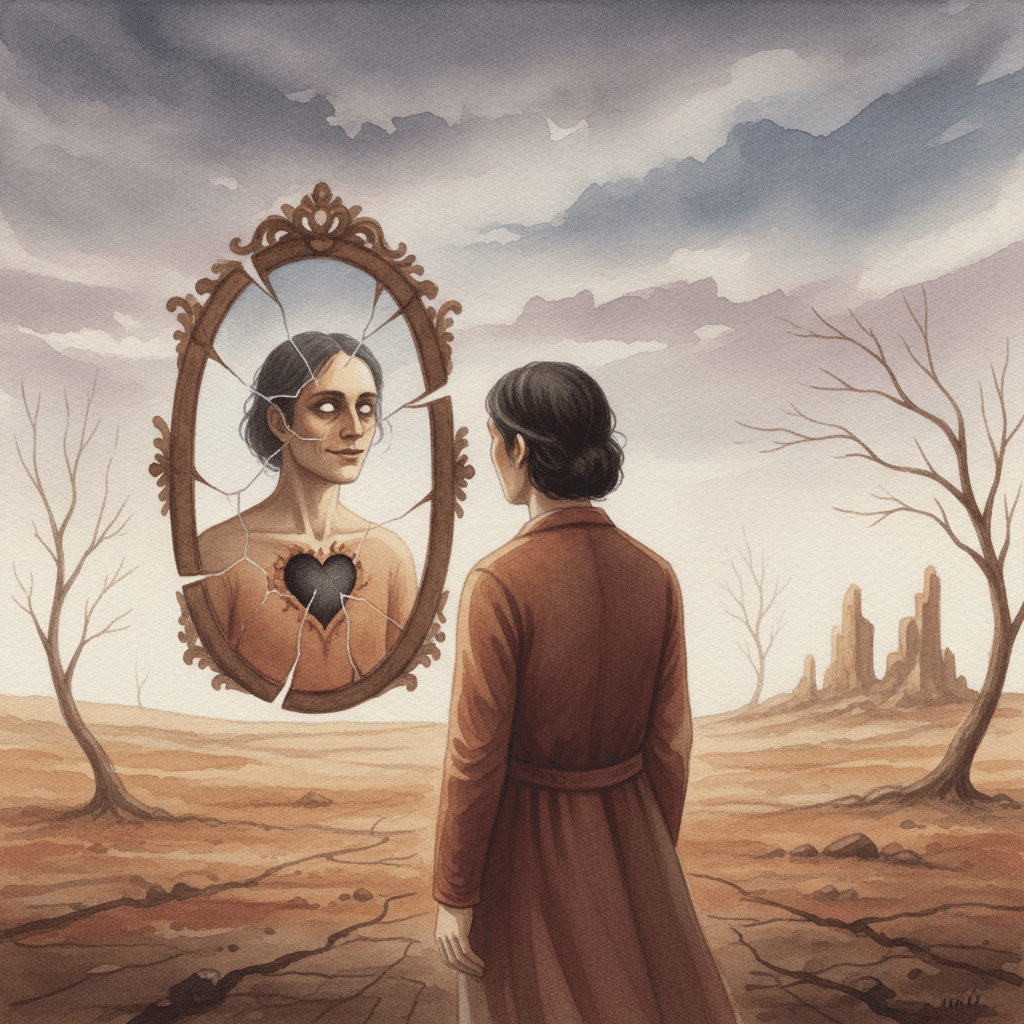
This isn’t just about a few particularly wicked individuals but reveals that all human beings are sinners before God. Therefore, this psalm serves not as a weapon to condemn others but as a mirror to humble ourselves. While criticizing worldly corruption, we often indulge our own arrogance, selfishness, hidden desires. Psalm 14 pierces that complacency, prompting us to ask whether we are truly seeking God or only calling on Him when convenient, trusting our own reasoning and experience otherwise.
Reflecting on David’s background makes this passage even more vivid. As king, he experienced not only personal inner failure but also the breakdown of the entire community. Issues like distorted power, oppression of the weak, and the collapse of faith weren’t only Israel’s problems. Today, they remain relevant. Lies become customary, means are justified for profit, and people are viewed more as objects than as made in God's likeness. Although describing social decay, Psalm 14 roots these issues in hearts that have forgotten God. Scripture always looks beyond surface symptoms to the core issues.
Verse 4 shows how the fruit of sin manifests: “Do all these evildoers know nothing? They devour My people as bread and do not call on the Lord.” This vivid expression reveals a numbness toward sin, as though devouring God’s people as casually as eating bread. When evil becomes routine, people harm others without feeling remorse. They build their comfort on others’ tears without conscience. A life that doesn’t call on God isn’t neutral; it oppresses someone, obscures truth, and impoverishes the weak.
Yet, Psalm 14 doesn’t end in despair. Verse 5 brings a shift: “But God is present in the company of the righteous, and they are in awe because of Him.” Even when evil seems dominant, God’s sovereignty remains. Although injustice appears long-lasting to human eyes, God does not forget His people. This term “righteous” doesn’t denote perfect individuals but those who seek refuge in God, relying not on their righteousness but on His mercy. Righteousness, in biblical terms, isn’t boastful self-trust but trust and repentance oriented toward God.
The phrase in verse 6, “The Lord is my refuge,” offers profound comfort. A refuge doesn’t mean the absence of storms; it means having a safe place during them. Believers feel anxiety, wounds from others, and tremble before reality—yet the difference lies in where they run. Some retreat into increased control and calculations, others strive desperately for approval, and some succumb to cynicism. But believers hide in God. They calm their hearts before His Word, refuse to rationalize sin, turn anxiety into prayer, and entrust injustice to His judgment. That’s the practical expression of making God our refuge.
Suppose we face misunderstandings at work. The instinct might be to explain immediately or retaliate openly. Psalm 14 helps us pause. It prompts us to examine whether we are only defending our grievance without God, whether our hearts are already carried away by anger. Then, we honestly speak what’s necessary, entrusting our hearts to God’s guidance. In family life, especially with those closest, it’s easy to speak harshly, dismissing the impact as trivial. But someone who fears God monitors their words. Psalm 14 reminds us that faith isn’t solely expressed in church language but in everyday reactions and attitudes.
Finally, verse 7 longs: “May salvation come to Israel out of Zion. When the Lord restores His people, let Jacob rejoice, let Israel be glad.” David saw reality honestly, yet he was not trapped by it. He knew salvation comes from God. We see this hope fulfilled in Jesus Christ. Humanity cannot save itself through good deeds or moral achievements, but God opens a path to salvation through Christ. The human inability depicted in Psalm 14 isn’t meant to lead us to despair but to highlight our need for grace. The declaration that “no one does good”—cannot leave us there but instead points us to the Gospel.
In this way, Psalm 14 aligns deeply with New Testament teachings. Paul quotes this psalm in Romans 3, emphasizing that both Jews and Gentiles are under sin. Humans cannot stand before God based on their righteousness or morality. Only through faith in Jesus Christ do we receive justification. So, Psalm 14 is not merely a lament about human depravity but also a preparation for the Gospel. When we acknowledge our hopelessness, we realize how immense the hope is found in Christ.
Before this psalm, we can remember three points: First, the issue of sin must always begin in our hearts. It’s easy to call the world dark, but much harder to admit our own practical unbelief. Second, God is still watching humanity; He knows the hidden motives, concealed wounds, and unspoken sighs. Third, in turbulent times, we must not change our refuge. Human success, reputation, or relationships seem to hold us temporarily, but they cannot be a true refuge for our souls. Only God is a hiding place for His people.
Psalm 14 does not merely diagnose the world’s corruption but causes us to see God anew amid it. After reading it, the question shifts: instead of comparing who is worse, we ask ourselves, whom are we trusting today? It prompts us to abandon small habits of pushing God away and stand honestly before Him. The psalm offers deeper comfort than fear because there is a God who observes from heaven, who is with His righteous people, and who remains a refuge.
For those wishing to read and meditate on the psalm regularly, consider using 성경 읽기 or 오늘의 말씀. To understand the Word more broadly, references like 성경 통독이란 and 묵상이란 can help develop a habit of calmly holding onto daily Scripture. Psalm 14 guides us not into condemnation but into awareness of the dangers of a Godless heart and brings us back to God’s refuge. Today, before this Word, examine yourself, take sin seriously, and walk forward in faith, trusting solely in the Lord.
 Bible Habit
Turn this article into today’s reading habit
Keep your McCheyne plan, sequential reading, notes, and progress together so the next passage is always clear.
- Today’s passages
- Reading checklist
- Notes and highlights