

Meditation on Psalm 16: Joy in Times of Shaking
Explore the meaning of refuge, inheritance, and joy as confessed by David in Psalm 16. This reflection examines the flow of Psalm 16, highlighting how to hold onto faith amidst today's anxious routines, with concrete insights.
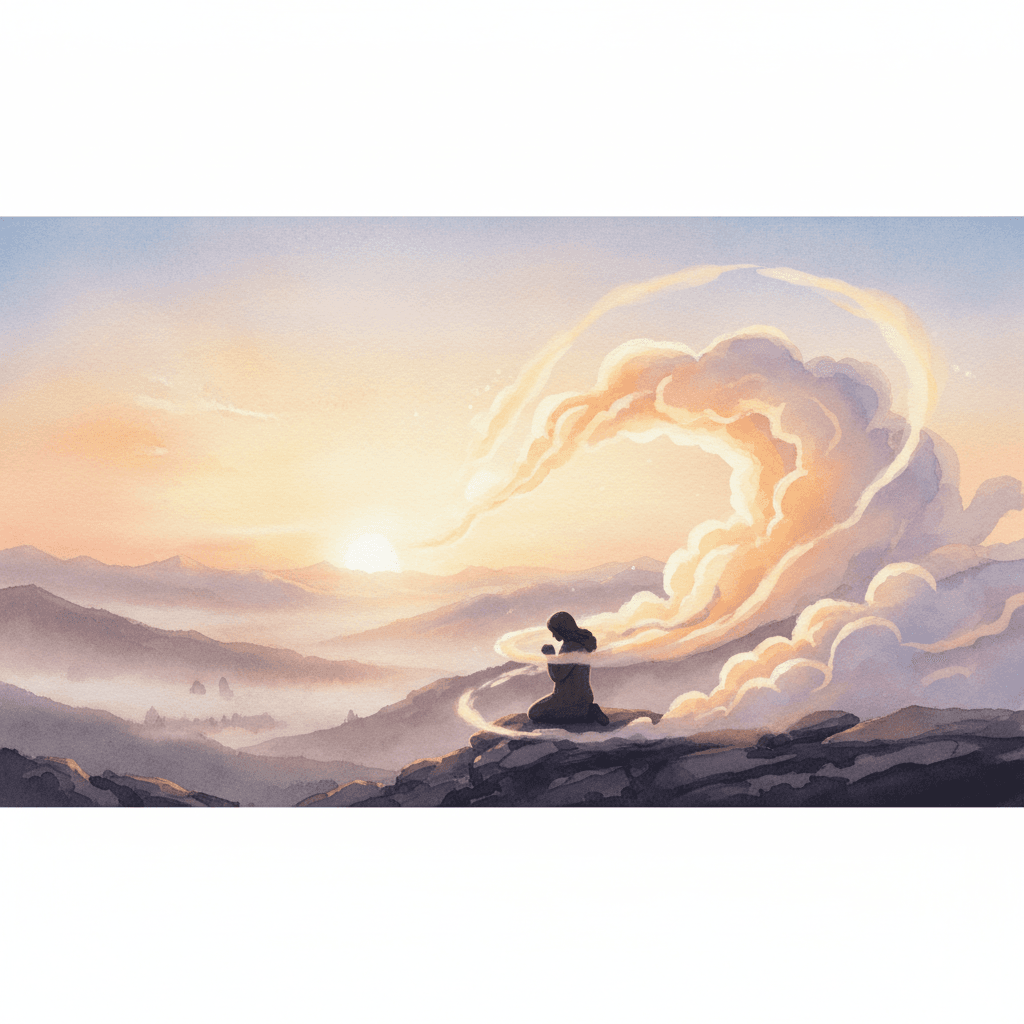
Psalm 16: Where the Heart's Ownership Shifts
Psalm 16 is brief yet profoundly deep. From the very start, David declares, “Preserve me, O God, for I take refuge in You” (Psalm 16:1). There’s no pretense here. This isn’t someone trying to appear faithful or a vow to endure on his own strength. It begins with hiding in God amid danger and instability. Faith doesn’t grow by pretending to be strong; it develops by knowing exactly where to run.
Following this flow, several key words become clear: refuge, Lord, inheritance, the path of life, and joy. David proclaims, “You are my Lord; apart from You, I have no good thing” (Psalm 16:2). This marks a turning point in what we consider the source of blessing. Usually, we think of blessing as stability, recognition, or achievement of plans. But David finds blessing in God Himself first. He holds onto the fact that God is his Lord more than what He gives.
In the subsequent verses, the focus shifts. David warns against the sorrow of following other gods and declares he will not partake in that path (Psalm 16:4). Idols are not always visible shapes; they can be the absolute standards that captivate our hearts—things we believe are okay as long as we hold onto them. Success, relationships, money, image—these often occupy the throne of our hearts. We may appear faithful outwardly but secretly cling to safety nets. Psalm 16 quietly reveals this internal ambivalence.
David’s confession becomes clearer in verses 5 and 6: “The Lord is my chosen portion and my cup; You hold my lot. The boundary lines have fallen for me in pleasant places; indeed, I have a beautiful inheritance.” This isn’t just about a good life. It’s a declaration that God is his portion. When compared to others, his life might seem modest. But if God is his inheritance, his worth isn’t measured by comparison but confirmed in covenant. Gratitude deepens more on days when I realize who truly holds my portion than on days I have more.
This connects with our Bible reading habits. On busy days, our hearts tend to seek other inheritances. When that happens, take time to slowly reread Psalm 16 (/bible), and beside verse 5, jot a quick note: “What did I cling to today as my inheritance?” That simple question shifts your perspective. Meditation is less about accumulating knowledge and more about examining where your heart leans at this moment.
Verses 7 and 8 serve as the practical core of Psalm 16: “I will bless the Lord who counsel me; even at night my heart instructs me. I keep the Lord always before me; because He is at my right hand, I shall not be shaken.” David doesn’t see God as distant but always present before him. Whether it’s a morning choice, tone in conversation, or a solitary click—living before the Lord means doing everything consciously with Him. This confession upholds the statement, “I will not be shaken.” It’s not that shakings won’t happen; rather, a centeredness anchored in God prevents total collapse.
But Psalm 16 doesn’t stop there—it turns to joy. “Therefore my heart is glad, and my whole being rejoices; my flesh also dwells secure” (Psalm 16:9). Biblical joy isn’t about denying reality. It’s a joy rooted in the certainty that God will not abandon me. Verse 10 states, “For You will not abandon my soul to Sheol, or let Your Holy One see corruption.” The New Testament links this verse to Christ’s resurrection. Peter quotes this passage in Acts 2:25-28, 31, affirming that David’s confession ultimately finds perfect fulfillment in Jesus Christ. Thus, the safety of Psalm 16 is not a vague optimism but the hope rooted in Christ’s victory over death.
Verse 11 reaches a breathtaking climax: “You make known to me the path of life; in Your presence there is fullness of joy; at Your right hand are pleasures forevermore.” The path of life is not always the broad, easy way it seems. Sometimes, it involves honest sacrifices, delayed obedience, or choices others may not understand—decisions to cut off sin—yet it ends with God Himself. Therefore, the way of faith is not always glamorous immediately but is never in vain.
If your heart keeps shaking today, what’s needed isn’t a grand resolve but a return to confession. If your gaze drifts away from Psalm 16 and you find yourself wandering, try searching for [AI 성경 검색] (/search) with words like “inheritance,” “refuge,” or “joy,” and read related verses together. To cultivate a steady rhythm in reading Scripture, consider reading the [묵상이란] (/glossary/devotion) explanation first, then repeat the passage briefly until it lodges in your heart. The day you meditate deeply on one verse leaves a longer-lasting mark than many pages read superficially.
This week, practice something simple: choose the most anxious moment of your day. Read aloud Psalm 16:8 or 11, then confess with a single sentence, “Lord, the One before me today is You.” What are you clinging to as your inheritance these days?
 Bible Habit
Turn this article into today’s reading habit
Keep your McCheyne plan, sequential reading, notes, and progress together so the next passage is always clear.
- Today’s passages
- Reading checklist
- Notes and highlights