

Meditating on the Lord as Shepherd in Psalm 23 for Assurance
Reflecting on Psalm 23, we revisit the Lord’s meticulous care as our Shepherd. From green pastures and restful waters to the valley of death and the banquet before enemies, we explore the scripture in order and identify lessons for our current life.
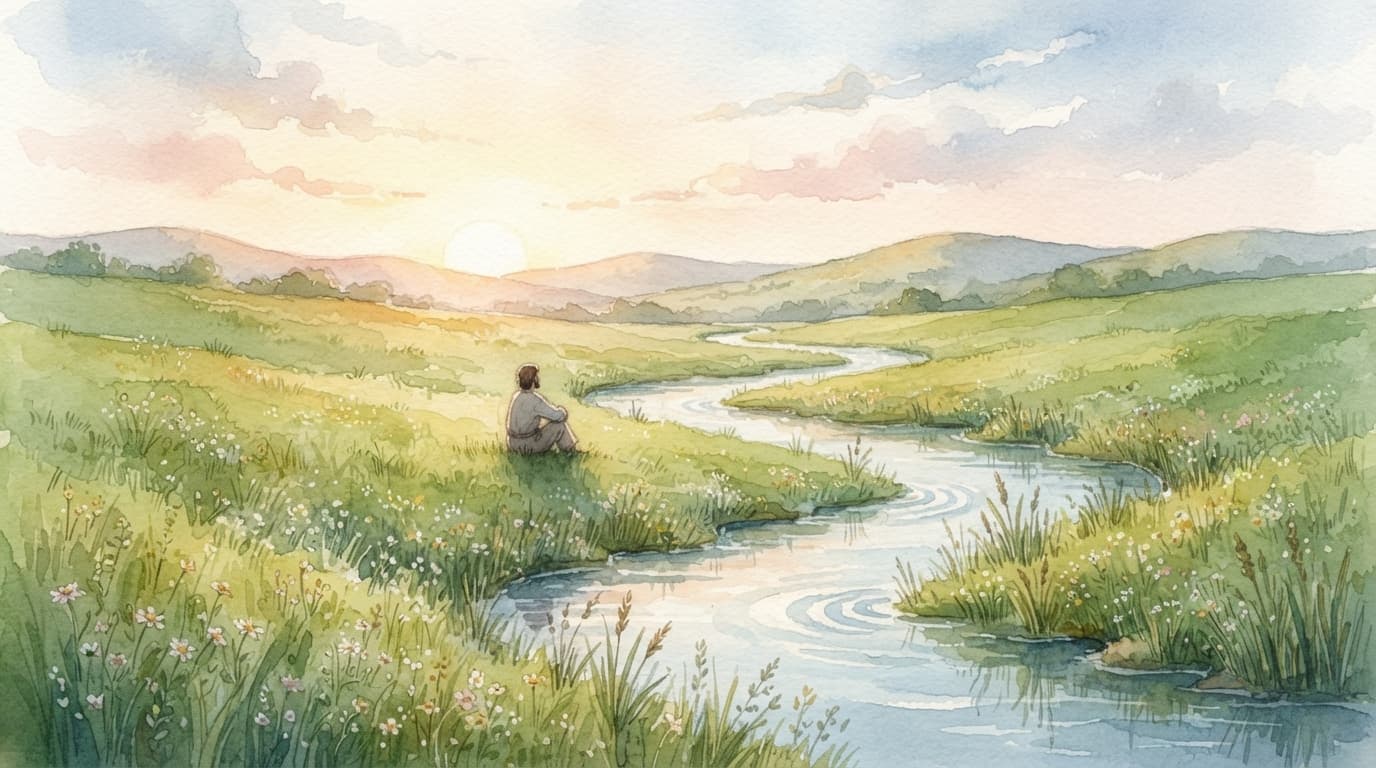
Meditation on Psalm 23 and Everyday Assurance
Psalm 23 is so familiar that it’s easy to read quickly and move on. However, this psalm isn’t merely comforting words for funerals. David confesses what we should trust in amidst life's anxieties, dangers, shortages, and attacks while alive. Therefore, Psalm 23 resonates more clearly in uncertain and shaky days than on peaceful ones.
The first verse is the core that underpins the entire psalm: “The Lord is my shepherd; I shall not want” (Psalm 23:1). David does not say, “I am strong,” nor does he claim, “My environment is safe.” Instead, he confesses the Lord as his Shepherd. Sheep are unable to find their own way easily. They tire quickly and recognize danger late. David does not boast in his own strength but speaks in faith about the One who cares for him. When he says, “I shall not want,” it doesn’t mean every desire is fulfilled. It signifies that God’s care never overlooks what the sheep truly needs.
David continues, “He makes me lie down in green pastures. He leads me beside still waters; He restores my soul; He leads me in right paths for his name’s sake” (Psalm 23:2-3). The key word here is “leads.” A shepherd does not push the sheep but makes them rest, feeds them, and guides them along the right way. “Restoring the soul” means re-empowering the weary. Even when the body is busy, the heart can feel parched. In such times, instead of trying to find new strength within ourselves, believers return to the Word. If today’s reading feels overwhelming, take a moment to slowly read Psalm 23 and underline repeating verbs in Bible reading. You will quickly realize who is working—the subject is always God.
The “right paths” in verse 3 are also significant. The Lord doesn’t only lead along comfortable roads. He guides in the correct way. Some choices might seem like immediate losses. Telling the truth, controlling anger, diligently doing one’s duty even if unseen—these aren’t always easy. But the Shepherd Jesus ensures we don’t lose our way. Believers learn to prioritize walking rightly over quick results.
The climax of Psalm 23 is in verse 4: “Even though I walk through the darkest valley, I will fear no evil; For you are with me; Your rod and staff— they comfort me” (Psalm 23:4). David initially refers to “He” in the earlier lines and now directly calls the Lord “You.” As danger nears, the profession of faith becomes more personal. Faith isn’t about denying the existence of valleys; it’s about confessing that we are not alone in them. The rod and staff represent the shepherd’s protection and correction. God doesn’t watch from afar; He guards, corrects, and guides until the end.
This truth is very specific in daily life. When the future feels uncertain, it’s more helpful to identify one act of obedience needed now than to dwell on the worst-case scenario. When relationships are strained, instead of fixating on our grievances, choose a phrase that pleases God. If your mind is restless before sleep, reading a verse from Today’s Word and jotting down Psalm 23:4 along with it may be more beneficial than scrolling through your phone. True faith shines not in grand emotions but in small acts of obedience that redirect our steps according to God’s Word.
Verses 5 and 6 shift the scene: “You prepare a table before me in the presence of my enemies; You anoint my head with oil; my cup overflows” (Psalm 23:5). Not after enemies depart but in their presence, the Lord sets a feast. The peace from God isn’t merely the quiet that comes when foes are gone. It’s the boldness that springs from knowing God holds us. Then, David confidently declares, “Surely goodness and mercy shall follow me all the days of my life, and I shall dwell in the house of the Lord my whole life long” (Psalm 23:6). While we might think about ourselves pursuing blessings, David acknowledges that God’s goodness and mercy follow him. The Lord’s covenant love never abandons His believers.
If you wish to read Psalms regularly, I recommend also reading The Practice of Meditation. Looking for repeated words in the text and noting what God is doing first cultivates a deeper understanding of short passages like Psalm 23. Today, write down expressions such as “leads,” “is with,” “prepares,” “follows.” Doing so reveals God’s actions before our feelings.
Psalm 23 doesn’t tell us to deny our anxieties. Instead, it invites us to look at the Shepherd who is greater than our worries. Today, your path might seem closer to a valley than lush pasture. But Scripture clearly states: The Lord is with us. Therefore, a vital question remains: Are we focusing more on the size of our problems or on the Hand of the Shepherd?
One-line summary: In the midst of danger and scarcity, David trusted in the Lord, the Shepherd. Believers should follow the same Lord today, prioritizing His companionship over their fears.
Related articles
Psalm 11 Meditation: A Steadfast Refuge in a Shaking World
Are you wondering where to find refuge amidst the chaos of a world whose foundations are shaking? Through this meditation on Psalm 11, we explore David's unwavering faith. Look to God's steadfast throne and justice, and gain wisdom to discover peace and hope in Him, our true refuge, even in uncertain times.
Learning Our Place Under the Night Sky Again: Psalm 8 Restores Humility and Honor
Psalm 8 reveals both human insignificance and dignity before God's greatness. It prompts us to reflect on our true place as restored in Christ and to understand humility, responsibility, and care in our daily lives.
Psalm 4: Learning Peace on Nights of Anger and Sleeplessness
Following the meditation and explanation of Psalm 4, this guide considers how David cried out to God on an anxious night and came to peace. It also gathers applications to hold on to amid anger, injustice, and sleepless nights.
 Bible Habit
Turn this article into today’s reading habit
Keep your McCheyne plan, sequential reading, notes, and progress together so the next passage is always clear.
- Today’s passages
- Reading checklist
- Notes and highlights