

The Story of Rachel: Wounds of Love and Waiting
A calm exploration of Rachel’s story and meditation on her life, based on Genesis. Reflecting on jealousy, hope, sorrow, and God's sovereignty through the life of Rachel, a beloved wife and long-waited mother, connecting these themes to our faith today.
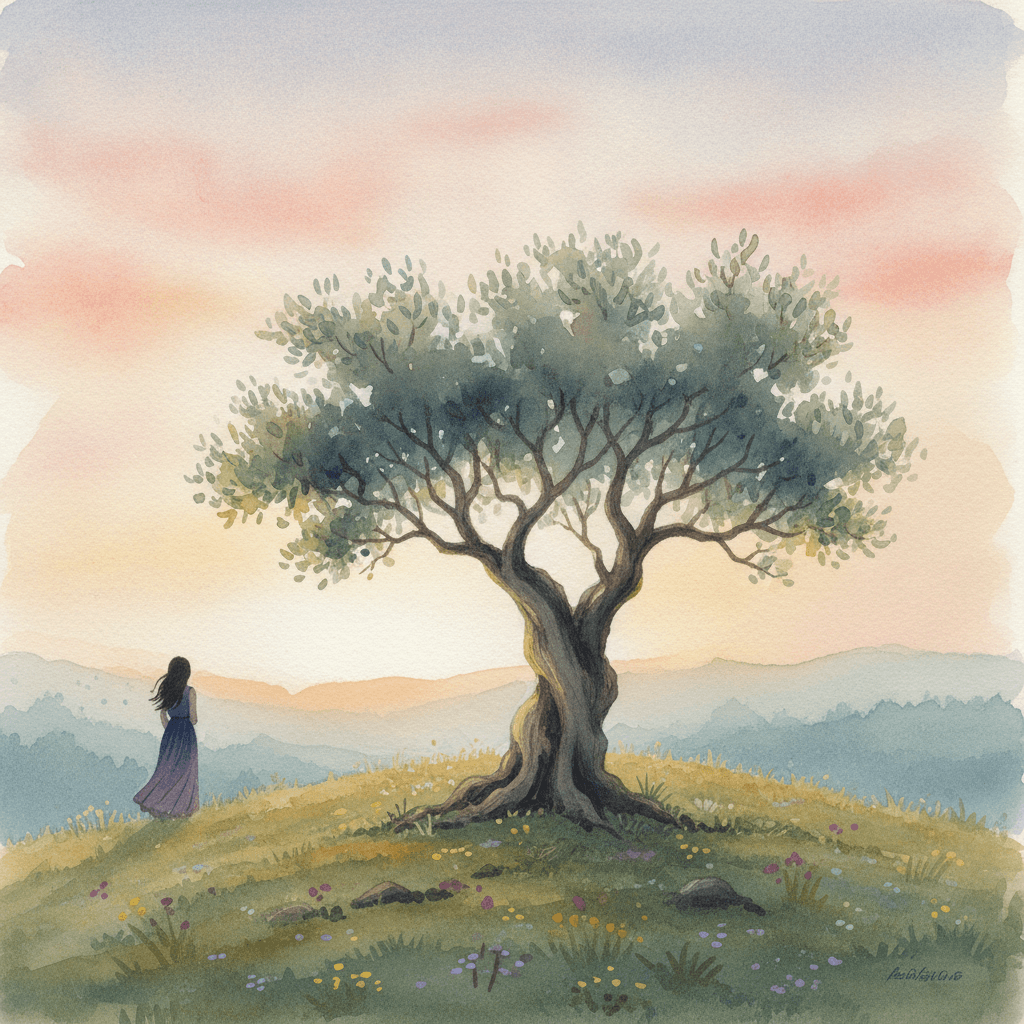
The Story of Rachel: Wounds of Love and Waiting
Rachel is one of the most memorable figures in Genesis. She appears to symbolize beauty and love, yet the Bible does not portray her merely as a romantic figure. She was a loved wife, but also experienced deep feelings of comparison, longing, pain, and the sovereignty of God. Thus, Rachel's story is not just about a family history but also acts as a mirror reflecting what our hearts yearn for.
Rachel first appears when Jacob stays with his uncle Laban. Genesis 29:17 states, “Rachel was lovely and beautiful,” and Jacob loved her so much that he worked seven years as if they were only a few days. His love was immense, but the path to marriage was far from straightforward. Due to Laban’s deception, Jacob initially married Leah and then had to work more time to marry Rachel. Love existed, but from the very beginning, their relationship was twisted. The Bible shows that deep love does not automatically resolve all life’s knots.
The real issue begins afterward. Genesis 29:30 records, “And Jacob loved Rachel more than Leah.” This line may seem like comfort for Rachel, but it leaves pain in the entire household. Leah bears the sorrow of unreciprocated love, while Rachel, despite being loved, suffers from the pain of childlessness. Being in a position others envy does not mean one's heart finds peace. Even if outward appearances seem enough, there can be unfulfilled voids inside.
The most raw expression of Rachel’s pain is in Genesis 30. “When Rachel saw that she bore Jacob no children, she envied her sister and said to Jacob, ‘Give me children, or I shall die!’” (Genesis 30:1). This cry was not an overstatement but the sound of a heart broken. Rachel was loved, but she did not feel her life was complete. When comparison deepens, gratitude is overshadowed by lack. Today, many of us feel similarly, looking at work, marriage, children, health, ministry, and relationships, and wonder, “Why don’t I have this yet?”
Jacob’s response can seem cold: “Am I in the place of God, who has withheld from you the fruit of the womb?” (Genesis 30:2). His words are rough, but one thing is clear: life is not created by human plans or impatience. Some realms are in God's hands. Rachel tried to find a solution by giving her maid Bilhah to Jacob, which was understandable within the cultural context but did not bring peace of faith. Impatience can seem to move things along, but often complicates our hearts further.
When reading Genesis, if your mind wanders, it’s helpful to go back and follow the text directly. Reading slowly from Genesis 29 to 35 in 성경 읽기 will vividly reveal Rachel’s emotional journey and the family’s tensions. Pausing at moments when you want to stop, and jotting down words that resonate in your heart, deepens your meditation.
However, Rachel’s story doesn’t end with lack. Genesis 30:22 is brief but profoundly warm: “God remembered Rachel; he listened to her and opened her womb.” The Bible clearly states that God remembered Rachel—she was not forgotten. She bears Jacob’s child, Joseph, and confesses, “God has taken away my disgrace” (Genesis 30:23). This scene reminds us that divine timing, not human timing, governs our lives. Lengthy waiting does not mean abandonment.
That said, Rachel’s life was not immediately smooth. She also committed mistakes, such as taking idols from her father’s household (Genesis 31:19), and she died giving birth to Benjamin. In Genesis 35:18, as she is dying, Rachel names her son Ben-Oni (son of my sorrow), but Jacob renames him Benjamin, ending on a note that does not dwell in sorrow. The lives of biblical figures are not summarized in a single line of admiration. Joy, loss, faith, and weakness coexist, making their stories more relatable.
While meditating on Rachel, it’s crucial to ask yourself: What am I lacking that makes me feel as if my entire life is falling apart? Am I converting that lack into comparison with others, thereby enlarging it instead of bringing it before God? When these questions arise, start your day with a verse from 오늘의 말씀; it can subtly shift your heart’s direction. If tangled family stories like Rachel and Leah seem difficult, reading the AI 성경 검색이란 guide to understand the flow of the text can also be very helpful.
Rachel’s life teaches us two things. First, even a place of love can also be a place of wounds. Second, God does not forget the long wait of those who are hurt. Even if what I desire has not yet been granted, faith grows in looking toward God without empty hands. Her hurried words and wavering choices serve as warnings, but the promise that God remembered her offers comfort.
Today’s verse to hold in your heart is this: “God remembered Rachel; he listened to her and opened her womb” (Genesis 30:22). On days when waiting feels long and frustrating, revisit these words. This reflection begins by asking yourself whether your gaze is stuck in comparison or directed toward a remembering God.
Related articles
How Did Jacob’s Family and Possessions Increase in Genesis 30?
In Genesis 30, we look at how God heard Leah and Rachel and how Jacob’s family and possessions increased after he set his wages with Laban.
Genesis 29: What Did Jacob Endure for Love?
In Genesis 29, Jacob serves seven years for Rachel and endures Laban’s deception. This article looks at the waiting and the family life the passage reveals.
 Bible Habit
Turn this article into today’s reading habit
Keep your McCheyne plan, sequential reading, notes, and progress together so the next passage is always clear.
- Today’s passages
- Reading checklist
- Notes and highlights