

When Prayer Runs Dry, Return to the Well: Finding a Deeper Place of Prayer in Daily Life
When prayer feels blocked and dry, here are biblical and practical ways to restore your place of prayer through God’s Word.
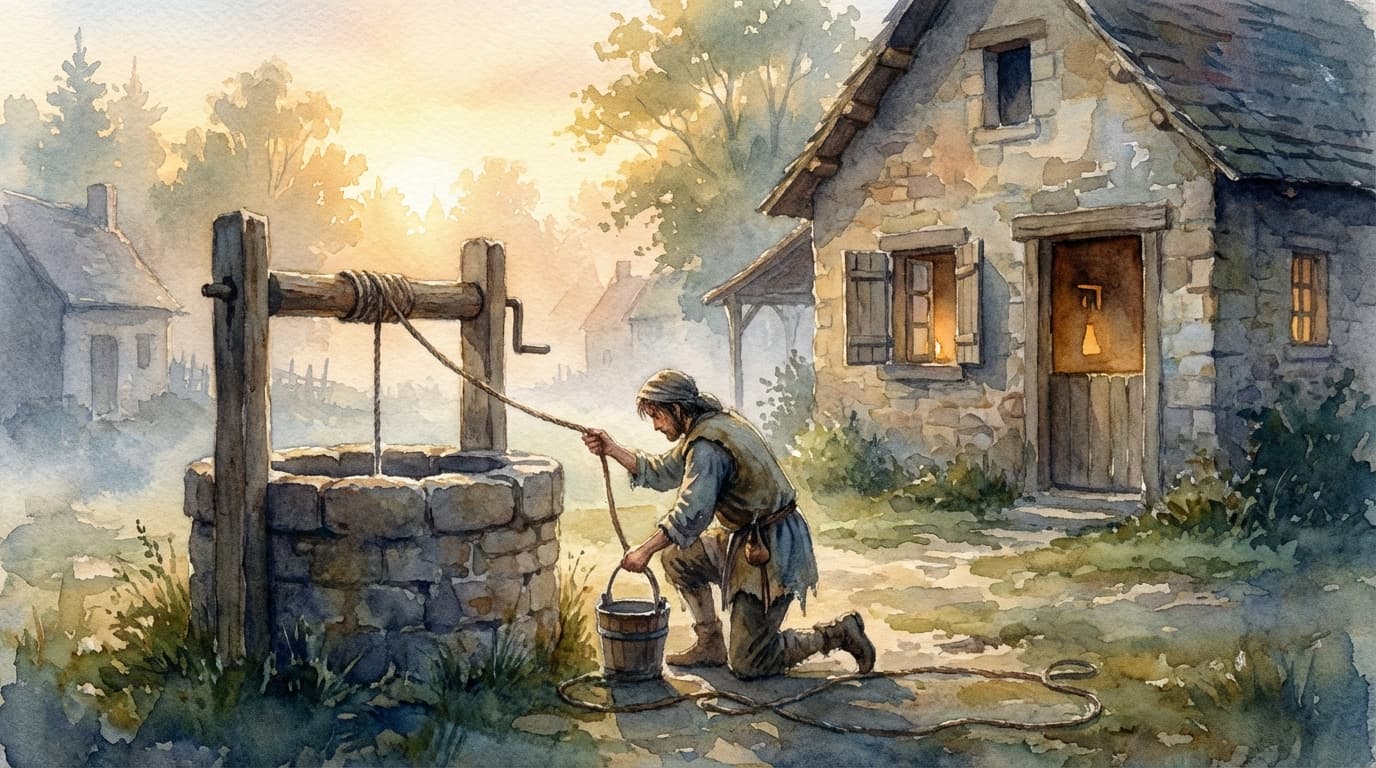
When Prayer Runs Dry, Return to the Well
Even for those who have walked with God for a long time, prayer is not always easy. Some days, the words come freely. On other days, even when we sit before God, our hearts feel like dry ground. But prayer is not a special privilege reserved for people who are “good at it.” It is simply coming to God, like a thirsty person going to a well.
Scripture encourages us this way: “Do not be anxious about anything, but in every situation, by prayer and petition, with thanksgiving, present your requests to God” (Philippians 4:6, NIV). Prayer is not a technique for making problems disappear instantly. It is a channel of grace that turns our eyes toward God in the midst of them.

What Does Prayer Change?
We often think of prayer only as a “means of getting answers.” And yes, God truly does answer prayer. Just as the rain stopped and came again when Elijah prayed earnestly, God is still alive and at work today (James 5:17–18, NIV).
But one of prayer’s greatest blessings is that we ourselves are renewed before God. Prayer humbles our restless hearts, gathers our scattered thoughts, and teaches us to value God’s will above our own. That is why Paul exhorts us to “pray continually” (1 Thessalonians 5:17, NIV). This does not mean staying on our knees in the same posture all day long, but living every moment of life before God.
A praying person may face the same circumstances, yet carry a different center within. Even if fear does not disappear completely, prayer helps us look to the God who is greater than our fear. Even when the answer is not immediately clear, prayer gives us strength to wait.
How Should We Pray?
Prayer does not have to be grand or elaborate. The Lord said, “This, then, is how you should pray,” and taught us the direction of prayer (Matthew 6:9–13, NIV). Try praying through the Lord’s Prayer: honoring God’s name, asking for today’s daily bread, confessing sin, and asking to be kept from temptation. It is brief, yet a profoundly deep pattern for prayer.
Another helpful way is to pray through Scripture. For example, when you read a verse in the Psalms that stays with you, turn it directly into prayer. If you read, “Create in me a pure heart, O God” (Psalm 51:10, NIV), you can pray, “Lord, renew a pure heart within me today.”
At times like this, it can help to begin your day with Today’s Verse, or to read a passage slowly in Bible Reading and then move straight into prayer. Rather than trying to pray for a long time in an abstract way, it is often deeper to hold on to even one verse and pray from it. When you have a specific need or question, AI Bible Search can also be practically helpful for finding verses on things like “passages for prayers of thanksgiving” or “Scripture to hold on to when feeling anxious.”
When and How Does God Answer Prayer?
Answers to prayer do not always come in the way we expect. Paul pleaded three times for his thorn in the flesh to be taken away, but instead of removing the problem immediately, the Lord said, “My grace is sufficient for you” (2 Corinthians 12:8–9, NIV). Sometimes God answers by changing our circumstances, and at other times by sustaining us within them.
Looking back, many believers share similar testimonies: “I did not receive what I wanted right away, but my heart was guarded while I prayed.” “I was discouraged by a closed door, but later I realized that door being shut was grace.” This too can be a clear answer. Prayer is not a time to pass information on to God, but a time to trust in His goodness.
On Days When Prayer Feels Hard
When prayer feels blocked, do not condemn yourself first. Even when words fail, God does not turn away from His children. Romans 8:26 says, “We do not know what we ought to pray for, but the Spirit himself intercedes for us through wordless groans” (Romans 8:26, NIV). Even when we struggle to pray, God knows our weakness.
At such times, it is enough to remember just three things:
- Set aside even a short time to sit before God
- Read just one verse and pray through it
- Thank God for one past answer to prayer or one evidence of His grace
If you want to rebuild a habit of prayer, it may also help to follow Today’s M’Cheyne Reading Plan or the 365-Day Reading Plan so that you have a passage chosen for each day. If you want to see how those reading days are adding up, you can use the Progress Calculator to check where you are in the journey. Prayer usually does not become deep all at once; it grows as we remain steadily before God’s Word.
God Is Still Listening Today
The beginning of prayer is not eloquent expression, but a heart turned toward God. Jesus said, “Ask and it will be given to you” (Matthew 7:7, NIV). Even when the answer feels delayed, God is still working in the silence.
If prayer is not coming easily today, return to a small, simple place. One chapter of Scripture, one short sentence of thanks, one honest sigh before God—that is enough. God is not waiting for perfect sentences. He is a Father who delights when we come back to Him.
Related articles
Don’t Just Read and Move On: 4 Practices to Let Bible Reading Stay in Your Life
How can you keep a full Bible reading plan from becoming something you simply finish and forget? Discover four ways to engrave God’s Word into daily life through consistency, meditation, memorization, and habit.
A Prayer for When Words Fail: The Lord Hears Even Clumsy Prayers
When prayer feels daunting and words won’t come, this article helps you look again to the God who hears even imperfect prayers, following the path of prayer Scripture teaches.
 Bible Habit
Turn this article into today’s reading habit
Keep your McCheyne plan, sequential reading, notes, and progress together so the next passage is always clear.
- Today’s passages
- Reading checklist
- Notes and highlights