

The Meaning and Significance of Sanctification: Holy Transformation After Salvation
Sanctification is not an effort to attain salvation but a process of becoming more like Christ through the Holy Spirit after justified by faith. We explore its biblical meaning, distinctions from justification, and the fruits of sanctification evident in daily life.
The Meaning and Significance of Sanctification: Holy Transformation After Salvation
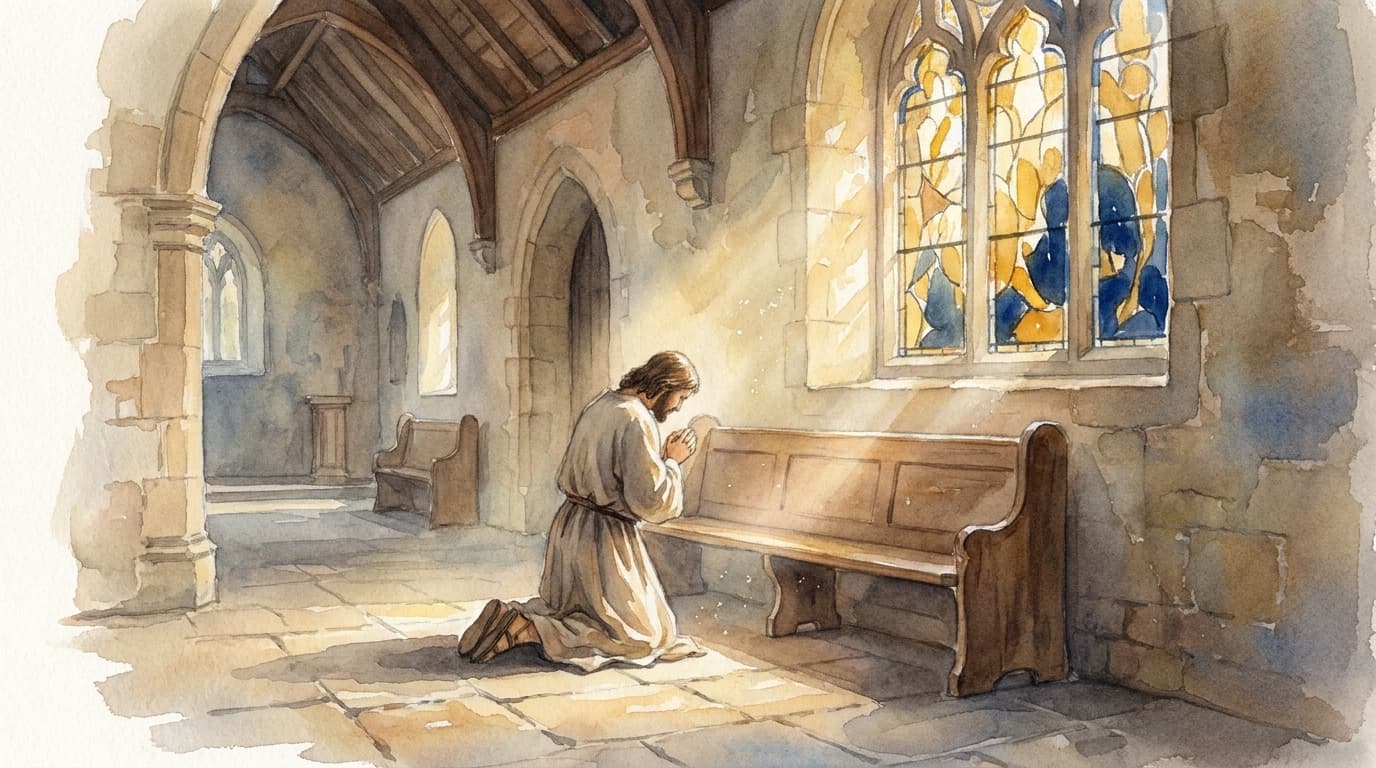
In Christianity, sanctification refers to the process by which a believer in Jesus Christ, justified by faith, is gradually transformed into a holy character through the work of the Holy Spirit. Simply put, sanctification is not "struggling to be saved" but rather the path of believers becoming more like God. Therefore, sanctification is not a doctrine of earning salvation through works but is deeply connected to the fruits of salvation that began by grace and are manifested in our everyday lives.
The Bible bears witness to this transformation clearly. 1 Thessalonians 4:3 states, “For this is the will of God, your sanctification.” Likewise, Romans 12:2 urges us, “Do not be conformed to this world, but be transformed by the renewal of your mind.” Sanctification is not merely about outward appearance or religious routines; it involves a comprehensive change in thoughts, love, speech, habits, and choices—becoming more aligned with God's will. This change is not something completed in a moment but a lifelong journey of falling and rising again through repentance and faith.
At this point, sanctification should be distinctly distinguished from justification. Justification is a juridical event where God declares a person righteous by imputing Christ’s righteousness to them. In contrast, sanctification is the process of becoming truly holy in our daily lives, shaped by that justified status. They must not be mixed, but they cannot be entirely separated either, since God does not leave His justified people untouched. Hebrews 12:14 states, “Pursue holiness without which no one will see the Lord.” This indicates that sanctification is not the price paid for salvation but the inevitable direction that follows salvation.
Orthodox evangelical faith firmly holds to this distinction. We believe only through faith are we justified. Yet, true faith is never dead; it always produces change. Galatians 5:6 affirms that “faith working through love.” Therefore, sanctification is not opposed to the gospel but is its fruit. Emphasizing sanctification does not diminish grace, nor does emphasizing justification eliminate holiness. On the contrary, it is the richness of the gospel that God, in Christ, declares sinners righteous and, through the same grace, renews them.
Throughout church history, this topic has been central. The early church persistently taught about life after baptism—putting off the old self and living as a new creation. Augustine emphasized that humans cannot make themselves holy and that grace comes first. The Reformation particularly redefined justification and sanctification. Reformers proclaimed that humans are not made righteous by their actions but that genuine faith inevitably leads to a new life. This context helps us understand what Bible reading truly means—the overarching theme of the entire scripture revealing the grace of salvation and the call to holiness.
For modern Christians, sanctification is crucial because we still wrestle with sin, get easily distracted, and face temptations to revert to familiar habits. Here, the doctrine of sanctification guards us from two major errors. One is complacency, thinking “It’s grace, so I can live however I want,” and the other is legalism, believing “Only if I do better will God accept me.” Sanctification teaches us that God has already accepted His people in Christ and is transforming them in that grace. It does not originate in anxiety but in the identity of being accepted as children.
In everyday life, sanctification manifests in the ordinary. When anger rises, choosing to pause and speak truthfully; when forgiving an enemy through prayer, humbling oneself; when admitting failures and honestly repenting; or diligently handling unseen responsibilities—all bear traces of sanctification. Galatians 5:22-23 describes the fruit of the Spirit as love, joy, peace, patience, kindness, goodness, faithfulness, gentleness, and self-control. These are not personality traits built overnight but fruits cultivated by the Holy Spirit as He molds character from within.
Sanctification is inseparable from the Word. Jesus prayed in John 17:17, “Sanctify them in the truth; your word is truth.” Growth in holiness occurs as we stay rooted in God's Word rather than vague resolutions. Marking passages that speak to us while reading and pondering them deeply—even if they seem minor—provides lasting benefit. Recognizing personal stumbling blocks and how promises help us rise again becomes clearer. In this sense, reading the Bible thoughtfully or reflecting on related terms like meditation helps prevent superficial faith. Following some tips in 7 Habits of Bible Reading can also reinforce living a life of continuous obedience rather than a one-time decision.
Sanctification is not solely about individual effort. God grows His people within the church through the proclamation of the Word, sacraments, encouragement, repentance, and obedience. Although progress may sometimes seem slow, we need not despair. The key isn’t how fast others have changed but whether we are heading towards God. Starting each day by holding onto a verse, like Today’s Manna, helps us view sanctification not as a grand project but as an everyday act of obedience. If you want to develop a steady habit of Bible reading, resources like Today’s McChayne Bible Reading Plan or What is McChayne Bible Reading? can be useful. Although progress may be slow, the accumulation of His Word is never wasted.
Sanctification is not about self-reproach with “Why am I still like this?” but about the present tense of the gospel—realizing “God is still shaping me today.” As we repent a little faster, love a little more sincerely, and obey the Word more consistently, the Holy Spirit works. Ultimately, sanctification is rooted not in our merit but in being attached to Christ. Holiness is not a result of self-exaltation but a fruit that grows in those dwelling in grace.
The road of sanctification may be slow and sometimes feel more like a struggle than a visible transformation. But genuine sanctification is not about showing off perfection; it’s about ongoing repentance and faith. Returning to the Word after failures, refusing to rationalize sin, and humbling ourselves before God's will—all are parts of God’s grace at work. Instead of asking how radiant your current sanctification is, start by asking whom you are trusting to grow. In the promise that God, who began a good work in you, will bring it to completion, believers can confidently walk in holiness.
One-liner summary: Sanctification is not an effort to earn salvation but an ongoing process where those justified in Christ are daily being transformed to resemble Him through the Holy Spirit.
Related articles
1 Peter 1: The Beginning of a Holy Life
The holiness described in 1 Peter 1 is not legalism or cheap grace. It is the direction for believers redeemed by Christ's precious blood, to live out holiness in family, work, and solitude with calm and conviction.
Psalm 15 Questions the True Worshiper
Through a reflection on Psalm 15, we follow the main flow and key words to understand what it means to dwell before God. We also explore practical applications, from words, relationships, money, to vows.
Learning the Meaning of Meekness from the Heart of Jesus
Centered on Matthew 11, this article examines biblical meekness through Jesus' character, the historical setting, and applications in our words, emotions, and conflicts.
 Bible Habit
Turn this article into today’s reading habit
Keep your McCheyne plan, sequential reading, notes, and progress together so the next passage is always clear.
- Today’s passages
- Reading checklist
- Notes and highlights