

Even When It Looks Like a List of Names, The Promise Flows: Reading Redemptive History Through Seth’s Lineage
The lineage of Seth is not just a tedious list of names but a testament to God's faithfulness in maintaining His promises after the flood, ultimately fulfilling salvation in Christ.
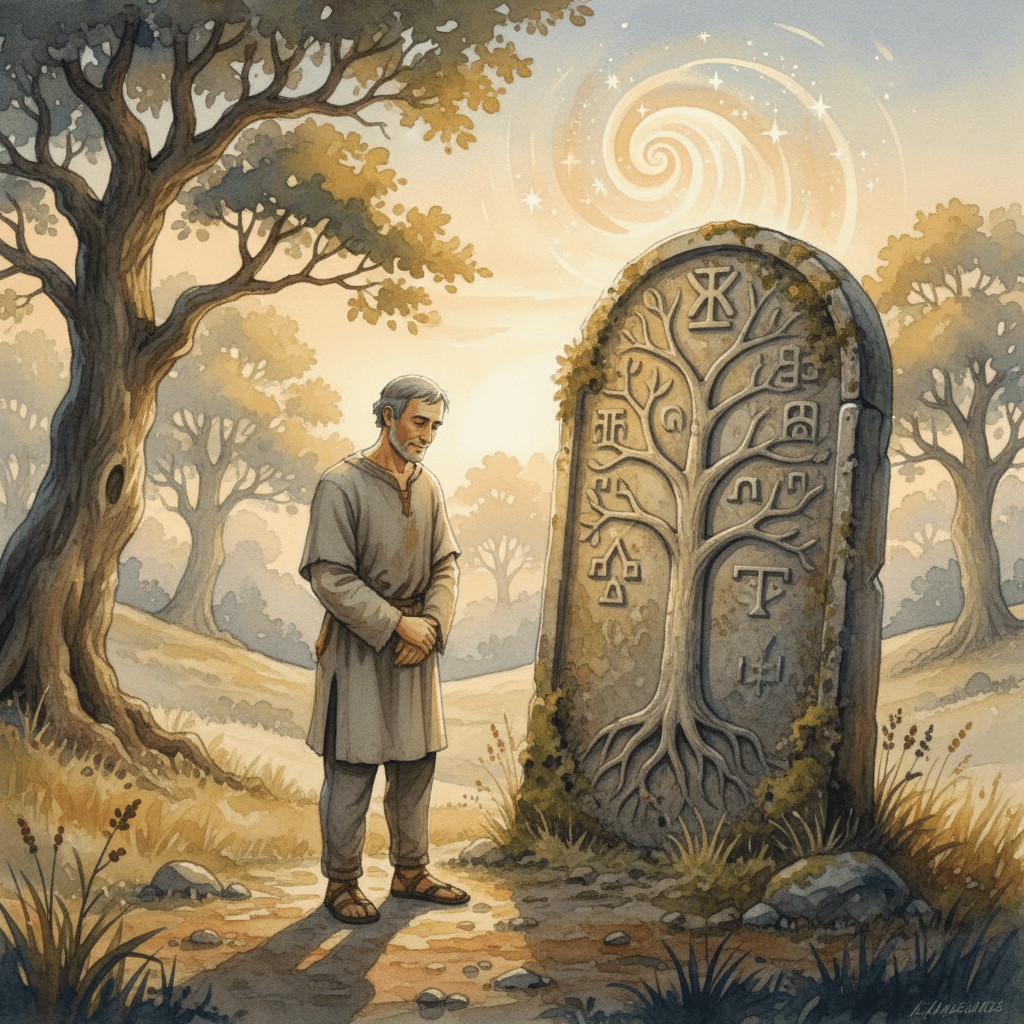
Even When It Looks Like a List of Names, The Promise Flows: Reading Redemptive History Through Seth’s Lineage
As we read the Bible, certain passages immediately capture our hearts. Dramatic scenes like the parting of the Red Sea or David’s battle with Goliath are easy to remember because they stand out. However, others tend to pass quietly, especially genealogies. When we read these lists of names and generations, it’s tempting to skim over them hurriedly. Seth's story is often among those. Although Seth is not a prominent figure with an extensive independent biography in Scripture, he holds a significant place in the grand flow of redemption history. Tracing his lineage reveals clearly that God's promise continues unwaveringly, even after judgment.
Seth is introduced as one of Noah’s three sons. His name is mentioned within the narrative of the Flood judgment, surviving as one of the preserved family members in the ark. The first point to remember here is that Seth’s significance does not begin with human greatness. The Bible does not portray Seth as a hero of great achievements. Rather, it showcases how God sustains a single family and continues His covenant promise through them. This perspective is important for us as well. A life of faith is not only proven through spectacular events; sometimes, faithfully holding onto one's appointed place over the long term shows greater obedience.
A key passage for understanding Seth is Genesis 9. After the Flood, Noah makes a statement about his sons’ attitudes. Genesis 9:26 records Noah’s words: “Blessed be the Lord, the God of Shem.” Though brief, this statement is profound. The focus is not on Seth himself but on “the God of Shem.” The blessing is not rooted in Seth’s own greatness but in his covenant relationship with the true God. The Bible consistently elevates God over people. This verse, therefore, emphasizes that God’s faithfulness is shown not by Seth as a hero but by His work in preserving His covenant through a family’s history.
At this point, our understanding of blessing is also reshaped. While the world tends to describe blessings as conspicuous success or expansion, the Bible considers knowing God as the deepest blessing. The most glorious title before Seth’s name is not achievement but “Seth’s God.” The same applies to us today. If someone thinks of us first with recognition of God's character rather than our abilities, that is truly grace. A believer’s goal is not to leave a grand personal legacy but to reveal God's name through their life.
Moving to Genesis 10 and 11, Seth's significance becomes even clearer. Genesis 10, often called the Table of Nations, shows how humanity dispersed after the Flood. This chapter is more than a simple ancient record; it reveals that God did not scatter humanity chaotically but under His sovereignty. Among these descendants, the lineage of Seth is given special emphasis, illustrating the continuity of God's work. Genesis 11:10 begins, “These are the generations of Shem,” and then traces the lineage through Arpachshad, Selah, Eber, Peleg, Reu, Serug, Nahor, Terah, leading toward Abram.
This flow is critically important because it shows that Abraham’s calling in Genesis 12 is not a sudden event. God did not choose one person out of nowhere. Instead, He had been preparing history long before, preserving the promise across generations. The genealogy of Seth is part of that preparation — a record not of tedious names but of God’s faithfulness etched in time. While it may look like mere repetitive passing of generations from a human perspective, God is not wasting these moments.
To deepen this understanding, consider the historical backdrop. Humanity began anew after the Flood. As new nations spread out, languages and cultures diverged, culminating in the Tower of Babel, which revealed human pride. After Babel, Genesis 11 records the construction of the tower and the resulting rebellion, but immediately following, it recounts Seth’s lineage. This contrast is striking: Humans attempt to make a name for themselves by building a tower, yet God quietly preserves His promise through a descendant, ultimately calling Abram with the promise, “In you all the families of the earth shall be blessed” (Genesis 12:3). Humanity's plans focus on self-glory; God’s plan opens the way for salvation to the entire world.
The New Testament makes this flow even clearer. The genealogy of Jesus Christ in Luke 3 includes the name of Seth. This demonstrates that Jesus is not a mythic figure appearing abruptly but is the fulfillment of God’s long-standing promise in real history. God has kept His covenant through generations and fulfilled it in Christ. Only faith in Jesus justifies us. Furthermore, this gospel did not emerge by chance but is the culmination of God's salvation plan stretching from Genesis. Seth’s lineage ultimately leads toward Christ.
This truth offers great comfort for our faith today. We often feel like our efforts are in vain when immediate results are absent. We might read the Word without apparent change in our lives or struggle to pass faith to our children. Living as a Christian in workplace and family, with no one noticing, can also feel discouraging. But the story of Seth reminds us that God does not only work through dramatic moments; He accomplishes His purpose through long obedience.
Some believers may not have a notable stage. They may simply open the Bible briefly before heading to work, work honestly all day, and strive to express gratitude even when tired at home. It may seem like an ordinary routine. Yet, God does not regard such continuity lightly. The weight of Seth’s name shows that lives placed within His promise are never insignificant. This is why we revisit and reaffirm Why read the whole Bible. When we read not only familiar stories but also genealogies, we see more clearly how meticulous and faithful God's plan of salvation is.
Moreover, the lineage of Seth can also transform our approach to Bible reading. We tend to prefer familiar stories, but reading through genealogies slowly reveals that the entire Bible is one cohesive story. When we see the names in Genesis connecting to Luke and leading toward Jesus, we recognize that Scripture is not a collection of disconnected pieces but a unified revelation of God. Reading genealogies becomes not just patience-testing but a time to witness how steadfastly God fulfills His promises. To follow this flow consistently, using tools like Bible Reading Plans or 365-Day Reading Schedule can help us methodically move through the text.
One more lesson from meditating on Seth is that faith must be testified across generations. Salvation is not inherited by blood; everyone must personally repent and believe in Christ. Yet, God orchestrates the ongoing witness of the gospel within real families and history. Thus, we carry the responsibility today — to uphold the truth in our place, to not take the Word lightly, and to not cease in small acts of obedience. Even if these actions seem ordinary, God's faithfulness ensures that these lives leave traces of the gospel for the next generations.
The story of Seth leads us to quiet assurance. It’s okay if our lives are not widely remembered, or if our efforts do not seem dramatic. The crucial point is whether we are within God's promises. Between Genesis 9:26 (“Blessed be the Lord, the God of Shem”) and Genesis 11:10 (“These are the generations of Shem”), we see how God works patiently and intricately through a single person's name. The same applies to our daily lives. Repeated obedience, quietly continuing in God's Word, and choosing to look to Him again, even on shaky days, are ways God accomplishes greater things than we can imagine. So, whenever we encounter a genealogy, instead of rushing through, let us fix our eyes on God’s promises flowing through those names. Ultimately, these promises lead to Christ, and in Christ, they reach us.
 Bible Habit
Turn this article into today’s reading habit
Keep your McCheyne plan, sequential reading, notes, and progress together so the next passage is always clear.
- Today’s passages
- Reading checklist
- Notes and highlights