

Meditation on the Parable of Talents: The Weight of Faithfulness with the Time Entrusted to Us
Following the Parable of the Talents in Matthew 25, this reflection considers faithfulness and stewardship rather than comparison. It thoughtfully explores how trusting in the Lord influences our time, responsibilities, and obedience today.
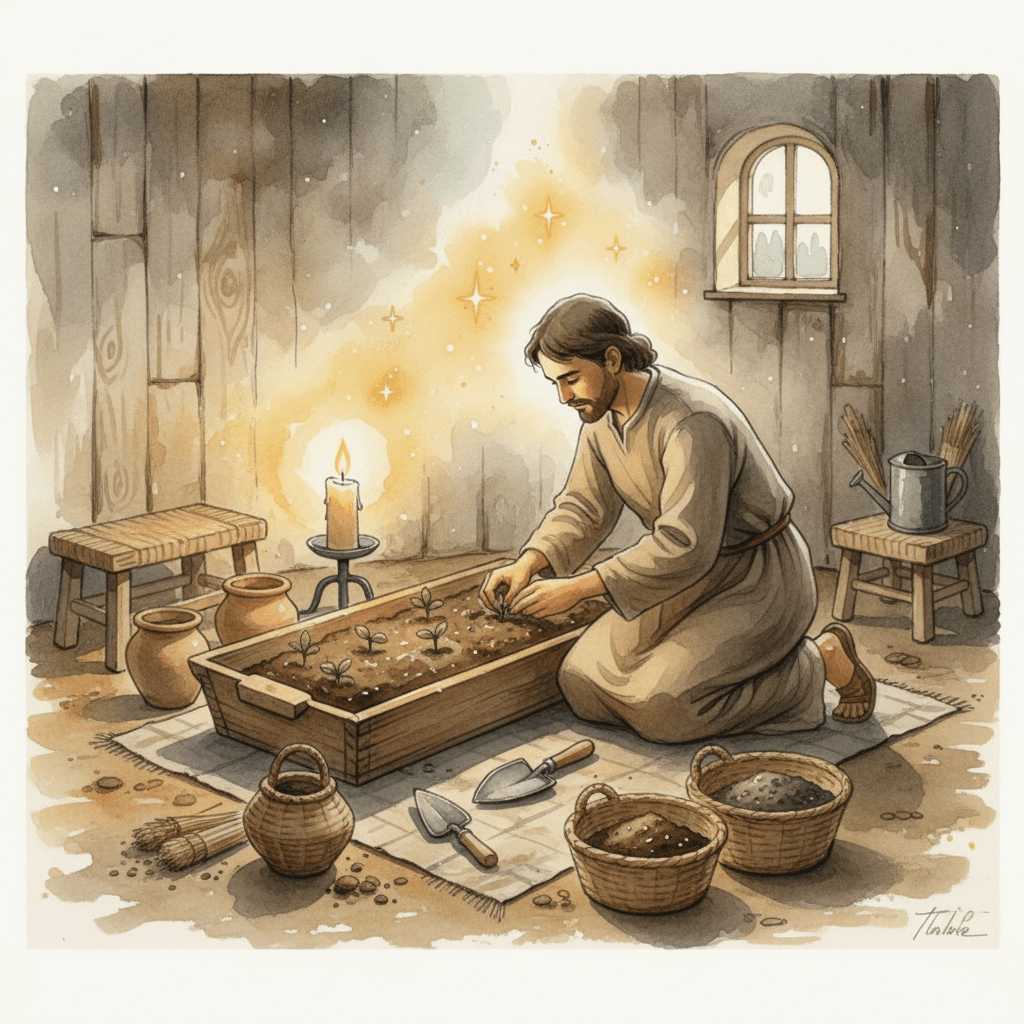
Meditation on the Parable of Talents: The Weight of Time and Faithfulness Entrusted to Us
The parable of the talents in Matthew 25 is familiar to many Christians. However, familiarity can sometimes dull the sharp call of God's Word. This passage isn't merely about developing talents or living more diligently; it shows us how Jesus’ disciples should live while awaiting His return. Therefore, when reading this text, the focus isn't primarily on "how much was given to each" but on "how we have stewarded what the master entrusted to us."
The first scene depicts the master calling his servants and entrusting them with his possessions: “To one he gave five talents, to another two, to another one, to each according to his ability, then went away” (Matt. 25:15). The first thing to notice here isn't the difference in amounts but the act of entrustment. The master entrusted differing amounts to each servant, but no one was left empty-handed. Some received prominent opportunities, while others served diligently in quiet roles. In God's kingdom, faithfulness isn't measured by comparisons but by loyalty. A small portion does not mean insignificance; God did not entrust us with today’s position, relationships, time, material possessions, or gifts by mistake.
The second scene shows the immediate action of the servants. The servants who received five and two talents did not hesitate. The text says they "immediately went and traded" (Matt. 25:16-17). Faithfulness manifests more in the speed of response than in grand decisions. Prompt obedience, starting with small tasks diligently, and taking responsibility even when no one watches—they all reflect this attitude. Similarly, in our faith life, those who don't delay between hearing God's Word and acting on it bear fruit. Tracking the daily portion with Bible reading shows us that faithfulness grows not through exceptional days but through the repetition of ordinary ones.
The third scene involves the servant who received one talent. He digs a hole and hides his master’s money. On the surface, this may seem cautious and safe since he didn't lose it. However, the master does not regard this as faithful. The issue isn't merely a lack of ability but a skewed understanding of the master. The servant considers the master a “wicked man,” fearing him and viewing him solely as a stern figure (Matt. 25:24). Fear without love and trust does not lead to obedience but causes paralysis. Today, many of us face similar doubts—we delay serving out of fear of failure, hide opportunities due to feelings of inadequacy. But the gospel does not make us freeze. We are not people earning salvation by works but those whom Christ has justified through faith. Grace-led salvation means we serve not to be approved but out of gratitude because we already belong to the Lord.
The final scene is the reckoning. The master returns and evaluates his servants. The same commendation is given to the one who received five and the one who received two talents: “Well done, good and faithful servant. You have been faithful over a little; I will set you over much. Enter into the joy of your master” (Matt. 25:21, 23). This brings great reassurance—God doesn’t only look at results. He praises both the one who doubled his talents and the one who gained two. The evaluation of God's kingdom differs from worldly standards; God delights not only in visible achievements but also in faithfulness in entrusted positions. Therefore, the conclusion of this meditation on the parable is not about hurried results but about faithfulness before the Lord.
Connecting this parable to our daily life, talents aren’t just about innate abilities. It includes the time we’ve been given each day, responsibilities within our families and church, honesty at work, opportunities to share the gospel, and our attitude to stand unwavering before the Word. Some days may make our resources seem too small. During such times, we should cling to stewardship rather than comparison. God does not mistakenly assign our measure; He requires faithfulness in each person’s given position. When reading the text, if curiosity about the broader flow of Matthew 25 grows, exploring the parable of the wise virgins and the sheep and goats with AI Bible Search makes it clear that alertness and faithfulness are unified themes.
In meditating on the parable of talents, it's common to focus only on "what more can I do?" However, the more fundamental question is, "What do I believe about my master?" A servant who trusts his master actively brings what has been entrusted to life. Conversely, the servant who misunderstands the master buries it in the ground. Our words, decisions, and habits today reflect how we perceive God. Therefore, this parable isn't merely about performance pressure but acts as a mirror revealing how genuine our relationship with God is.
It’s okay if it’s not a big deal. Begin today with even one act of obedience you’ve been postponing. Re-open your paused Bible reading, reach out first to reconcile with someone, or maintain honesty and diligence in your entrusted role—that’s a life without burying your talents. If small steps are needed, following specific standards like the Today’s McChain Reading Schedule helps start your day purposefully. Also, if you want to keep your Bible reading on track, articles like 7 Tips for Developing a Bible Reading Habit can assist you in establishing a sustainable rhythm of obedience rather than relying on emotion.
Ultimately, the parable of talents isn’t about those who have more but about those who belong to the master. What's important isn't how much is in your hand but how you use it before whom. The Lord is teaching us to learn loyalty through the time, position, and responsibilities entrusted to us today. Even on days that seem to lack noticeable achievements, it is not in vain. Small acts of obedience in Christ are never lightweight, and He delights in the steps of faithful and good servants. Therefore, what we need today isn’t discouragement from comparison but a faithful attitude rooted in trusting the master and living diligently in our current place. What is the one talent in my hand now? Am I burying it, or am I using it faithfully, eager for the master's joy?
Related articles
Mark 2: Faith and Love That Opened the Roof
This meditation on the healing of the paralyzed man in Mark 2 considers Jesus as the Son of God who forgives sins and the gospel truth that true faith appears through loving effort and practical companionship.
Preparation Revealed in the Face of Seemingly Late Times: Jesus' Call to Watchfulness
Jesus’ words 'Stay alert' are not about calculating the end date but a call to live holily and faithfully today. We explore the meaning of faith and preparation that emerge more clearly as the wait prolongs.
 Bible Habit
Turn this article into today’s reading habit
Keep your McCheyne plan, sequential reading, notes, and progress together so the next passage is always clear.
- Today’s passages
- Reading checklist
- Notes and highlights