

Genesis 39: How to Stand Before Temptation
Following Joseph's victory over temptation in Genesis 39, this article examines how discerning sin as sin and obediently leaving a dangerous place can be lived out in our daily lives.
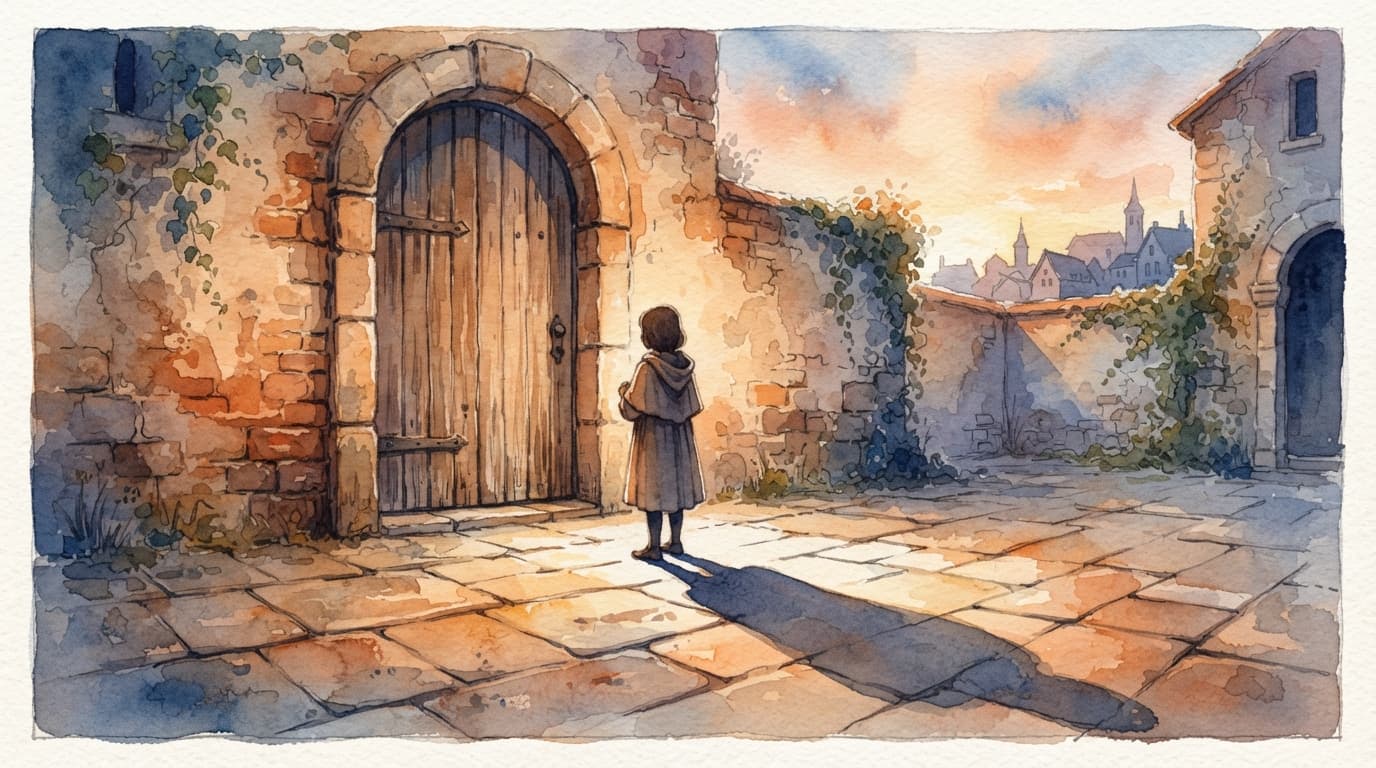
Genesis 39: How to Stand Before Temptation
Temptation usually does not enter noisily. It seeps in quietly through a gap left by weariness, a sense of injustice, or a time when no one is watching. That is why a collapse may look like an event that suddenly burst out one day, even though it often began long ago inside the heart.
Genesis 39 shows that point clearly. Joseph had been sold by his brothers and taken to Egypt, where he was living as a slave in Potiphar's house. He had lost his home and family and had no way to clear his name. In such a place, it would be easy to fall into self-pity or to want to grasp a sweet offer placed right in front of him.
Yet before speaking about Joseph's circumstances, the Bible repeatedly tells us that God was with him. Genesis 39 keeps returning to the words, “The LORD was with Joseph.” This does not mean that his life was comfortable. It means that God did not let go of him in the middle of the reality of slavery, a false accusation, and prison.
If we miss this movement, it is easy to read Joseph's choice as a success story about a person with unusually strong willpower. But the passage is not creating a hero myth. Joseph too was a person being tested, and the place where he stood was by no means easy. Egypt was not the land of the covenant people, and it was a culture in which power and desire flowed naturally. For Joseph, a slave, refusing his master's wife meant risking his own safety, not merely managing an emotion.
Potiphar's wife did not tempt Joseph only once. The passage says that “she spoke to Joseph day after day.” This is where temptation is frightening. It does not end with one great shaking; it dulls the heart little by little every day. Even something we clearly guarded against at first can lose its boundary when we hear the invitation repeatedly.
Joseph's answer is short, but its center is clear. In Genesis 39:9 he says, “How then could I do such a wicked thing and sin against God?” Joseph did not see this as a simple mistake or a private choice. He did not reduce it to a secret between people. He saw sin before God.
This confession matters because temptation always tries to blur the name of sin. The heart easily says: Everyone does this much; I was too lonely; it is fine as long as I am not caught. But once we begin replacing sin with a more convenient name, the door of the heart is already open. Joseph did not rationalize his situation or turn his circumstances into an excuse.
Another thing to notice is that Joseph protected what was right through his actions. He did not merely speak correctly. When Potiphar's wife caught hold of his garment, he left it in her hand and ran outside. It looked like a loss and, for a moment, a choice that humiliated him, but that flight was itself the shape of faithfulness.
We often stay too long before temptation. We keep scrolling while pretending that everything is fine, continue a dangerous conversation, and trust ourselves even though our hearts have already begun to lean. But Genesis 39 shows that in some places it is wiser to leave quickly than to endure for a long time. The decision to leave is not cowardice; it is courage that protects holiness.
This scene is close to our daily lives. When we hold a phone alone late at night, weariness and emptiness can cloud our judgment. Under pressure to meet numbers at work, we may feel the temptation to adjust the figures a little. When our heart is not being filled by a spouse or family member, we may want to lean too heavily on someone else.
These moments do not begin as great evil. They enter wearing the face of a small concealment, a small exaggeration, or a small kindness. That is why we must be careful. Even if everything looks fine on the outside, when the heart is already leaning, that is the time to make the boundary clear again.
The path Joseph shows is not complicated. Call sin sin before God, recognize the places where you must not remain, and actually leave when it is time to go. Faith does not remain only as an inner resolution. It takes concrete forms: closing a door, ending a conversation, changing a schedule, or adjusting the rhythm of life so that we are not alone.
For example, if there is a time when we regularly fall, it is wise not to leave that time empty. If we are weak after 11 p.m., a rule not to take the phone into the bedroom can help greatly. If comparison and envy rise in us, taking a few days away from an account that continually shakes our heart can make room to breathe. If lies and exaggeration have become habits, we should read a message once more before sending it and check whether anything has been inflated beyond the facts.
Suppose an office worker wants to change a few numbers in a report to hide a mistake. It seems that no one will notice immediately, and the thought that “this is only for this time” rises strongly. He closes the computer for a moment, steps away to settle his heart, and then explains the progress honestly to his manager. It is embarrassing, but that one act of honesty prevents a greater lie later. Temptation is not overcome only in dramatic scenes.
Another person may send a message to a particular person whenever loneliness becomes deep. Even if the conversation is not explicit, the person knows that the heart is leaning. Eventually the contact is deleted, and walks and reading time are arranged so that the evenings are not spent alone. Guarding the heart does not mean denying an emotion; it means honestly seeing where that emotion is pulling us.
Genesis 39 also shows that Joseph did not become comfortable immediately after making the right choice. He was falsely accused and imprisoned. This meets us realistically. A right choice does not always lead to an immediate reward. Sometimes we must endure loss, misunderstanding, and a frustrating season.
Yet the passage does not let go of God's presence here either. The LORD was with Joseph in prison, showed him kindness, and gave him favor in the eyes of the prison warden. The way of faith is not a way without loss; it is a way in which God does not abandon us even in a place that looks like loss. Therefore believers live giving more weight to God's gaze than to the outcome.
This Word naturally makes us ask ourselves: Where are my boundaries becoming blurred these days? When I am tired, want praise, feel wronged, or am lonely, where does my heart lean? Collapse usually comes after an emotion. Slander follows anger, shortcuts follow impatience, and false comfort beckons after emptiness.
That is why it is useful to develop a habit of briefly reviewing the day. Notice when your heart was weakest, what you were looking at or opening then, and whom you wanted to rely on. This review is less like an interrogation that torments you and more like a watchman who discovers a gap in the wall early. Keeping Today's Word or Bible reading nearby and reading the passage again can make a boundary that felt vague a little clearer.
Above all, remember that the strength to overcome temptation does not come from self-confidence. “I will never fall” is less safe than the alertness that says, “I too can fall.” A person who admits weakness before God sets boundaries in advance. A person who trusts familiarity eventually draws near without a boundary.
When we read Genesis 39 slowly, Joseph's faith appears not in special eloquence but in clear obedience. He called sin sin and ran when he needed to run. We need this kind of obedience today too. If we look for one conversation to end, one screen to close, or one habit to stop, this passage becomes not a distant story but our story today.
Holiness is not an ornament reserved for extraordinary people. It grows through ordinary obedience that protects what is right where no one is watching. God does not treat such choices lightly. If we look first to God's presence rather than our circumstances today, the Lord's holiness will begin to look greater than the size of temptation.
Related articles
How Joseph Escaped Temptation in Genesis 39
In Genesis 39, we look at why Joseph refused and fled from Potiphar’s wife’s demand, and how God was with Joseph even in prison.
How to Overcome Temptation in 1 Corinthians 10
Following 1 Corinthians 10:13, we explore how believers can discern and obey God's way of escape from temptation and trial. Practical applications include standing firm through Scripture and repentance amid anger, desire, and comparisons.
Words to Hold on When Doubts Deepen
When doubt intensifies, the Bible doesn't merely condemn us. Following the scenes of Thomas, Asaph, and Peter, we calmly reflect on what to do with shaky hearts and how to apply God's Word in daily life.
 Bible Habit
Turn this article into today’s reading habit
Keep your McCheyne plan, sequential reading, notes, and progress together so the next passage is always clear.
- Today’s passages
- Reading checklist
- Notes and highlights