

Meditation on the Parable of the Wedding Feast: Our Place Before the Invitation and the Wedding Garment
Reflecting on the meaning of God's invitation and the wedding garment through Matthew 22, this meditation urges us to respond not with busyness or formality but with faith and obedience rooted in Christ.
Meditation on the Parable of the Wedding Feast: Our Place Before the Invitation and the Wedding Garment
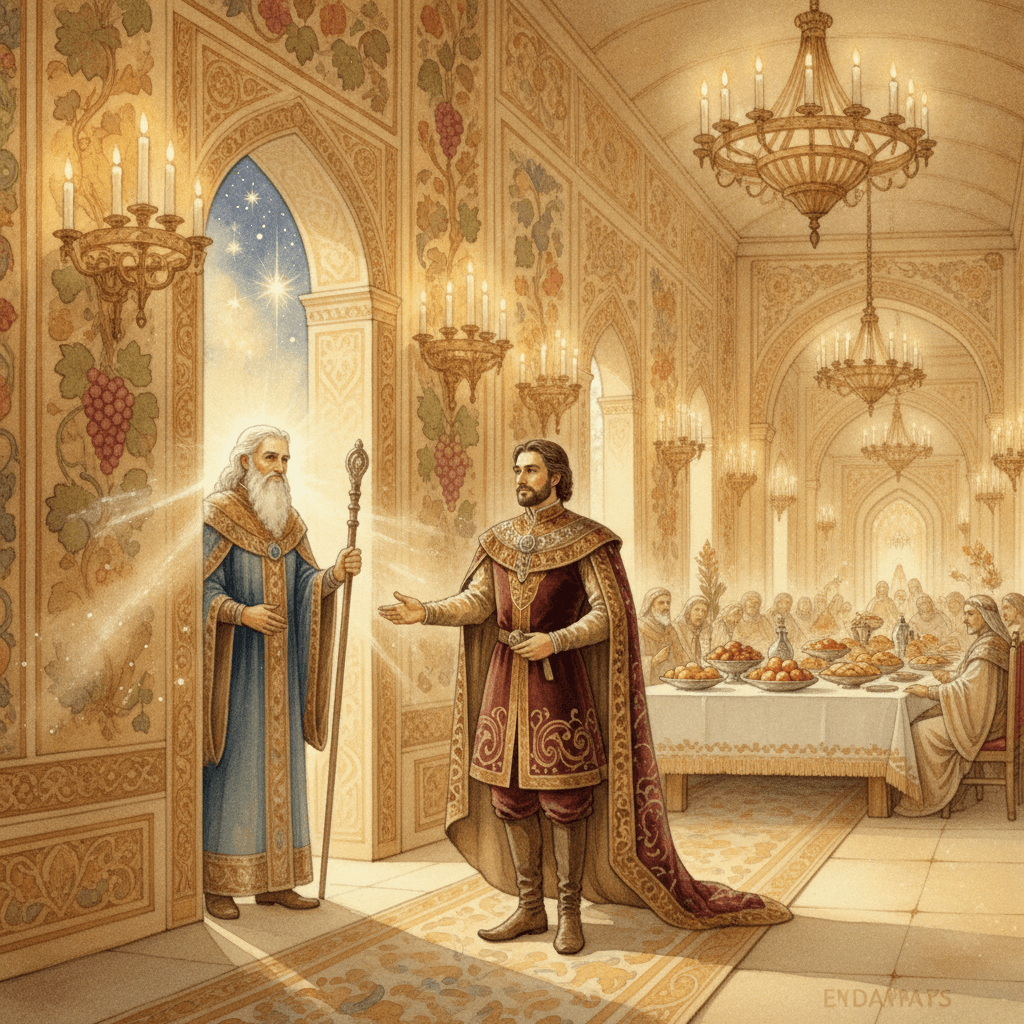
The parable of the wedding feast in Matthew 22 begins like a joyful banquet story, but as you read, it prompts a deep introspection of our hearts. Jesus compares the kingdom of heaven to a king who prepares a wedding feast for his son. Some guests have already been invited, and the servants are sent again, saying the feast is ready, come enjoy it. Yet, the responses are surprisingly different. Some go to their fields, others to their work, and yet others insult and kill the servants. The king, after judging these guests, commands his servants to gather people from the streets, both good and bad, to fill the banquet hall. Among those who come in, one individual is found without wedding clothes, and he is cast out into the darkness outside. Jesus concludes, “Many are called, but few are chosen” (Matthew 22:14).
The first scene of this parable is ‘the invitation.’ The king’s banquet is not because they are lacking, and it's not a matter of calling just anyone. It is already abundantly prepared, and people are invited to partake in the joy. The gospel is like this, too. God does not first ask what sins we have committed to accept us but opens a path of salvation in Christ and calls us. Salvation is not based on human merit but begins by God's grace. The problem is not the lack of an invitation but a heart that treats the invitation lightly. The fields and work are everyday necessities. However, necessary things aren’t always the most important. We may not outright reject the gospel but delay responding to the Lord’s call due to busyness, interests, or personal plans. When faith falters, it often begins with the habit of postponement—thinking, “If only I finish this one thing.”
The second scene is about those ‘called from the streets.’ The king commands to bring everyone they meet at the street corners—both good and evil. This illustrates that God’s invitation to the gospel is far broader and larger than we might expect. No one enters by their own qualifications; all are called. As a result, the parable of the wedding feast humbles us rather than making us proud. It’s not because I am inherently suitable that I am invited, but because I am called. To understand this parable within the entire context of Matthew, it helps to read Matthew 21 and 22 together in Bible Reading. When read along with previous scenes, it becomes clearer why Jesus spoke this parable at this particular point.
The third and most tense part of the story concerns ‘the wedding garment.’ Some people feel uncomfortable here. They wonder, if salvation is by grace, then why should the wedding garment be an issue? However, this text does not separate grace from holiness. We come into the feast by grace, but how we stand before the king matters too. The wedding garment is not something we make ourselves through works. It is the result of grace that enables us to stand rightly before God, and it signifies the fruit of faith received genuinely. When viewed through the light of the entire New Testament, we see that we are called to wear Christ’s righteousness. Galatians 3:27 says, “For all of you who were baptized into Christ have clothed yourselves with Christ,” and Ephesians 4:24 exhorts, “Put on the new self, created after the likeness of God in true righteousness and holiness.” Therefore, the issue with the wedding garment is not about earning salvation through works, but about the fact that genuine faith always bears fruit of life transformation and holiness. If one outwardly welcomes the invitation but inwardly disrespects the king, that might resemble religious formality rather than true faith.
This parable applies clearly to our lives today. First, we must consider whether we often treat God's invitation as simply a ‘good word.’ The time spent reading Scripture is not for others but a response to the king’s call. Second, we should examine if we are sitting at the banquet without the wedding garment. Attending worship, knowing familiar expressions, and staying in a religious atmosphere are not enough. True repentance, obedience, and faith that relies on Christ must be actively transforming our choices. During busy days, it’s helpful to start with a verse from today’s word. Even a brief word, if held close each day, can gradually correct the tendency to treat the invitation casually, experiencing grace.
The parable also reminds us that mere presence in the church does not guarantee safety. Someone who appeared to be at the feast lacked the wedding garment—showing that outward appearance and true faith can differ. Knowing orthodox expressions, long church attendance, and comfort in worship are not enough. God looks at the heart, not just external attendance. Therefore, in response to this word, what we need isn’t vague anxiety but honest self-examination: Do I truly rely on Christ or merely cling to outward religious symbols? This self-check does not lead us to despair but brings us back to the core of the gospel. Our righteousness does not come from ourselves but from Jesus Christ.
The parable of the wedding feast is not meant to induce anxiety but to call us with the seriousness of the true gospel. The feast remains prepared, and the king’s invitation still rings out. So, this week, take your time to read Matthew 22:1-14 three times slowly. Write down the one excuse you most often use, like “What is the field or work I tend to make my excuse?” Then, reflect on the meaning of meditation, and consider writing a small act of obedience beside that sentence. The key to true meditation is not stopping at reading but bringing God’s Word into our daily lives, which bears fruit.
Ultimately, this parable teaches us two things. First, the incredible breadth and depth of the grace of the invitation. Second, that this grace is not light but profoundly serious. God calls sinners but doesn’t leave us there; He leads us to become more like Christ. Therefore, we should not merely rejoice in having been invited but also seek to live lives worthy of the invitation. Today, in front of God’s Word, let’s open our hearts, lay down excuses, and begin with a small act of obedience—to wear Christ’s righteousness. This path isn’t about becoming perfect but about those who have received grace returning daily to the Lord.
 Bible Habit
Turn this article into today’s reading habit
Keep your McCheyne plan, sequential reading, notes, and progress together so the next passage is always clear.
- Today’s passages
- Reading checklist
- Notes and highlights