

What Should We Do When It Is Time to Return to God?
Genesis 35 shows what Jacob and his household left behind, where they went, and how they worshiped when God called them to return to Him.
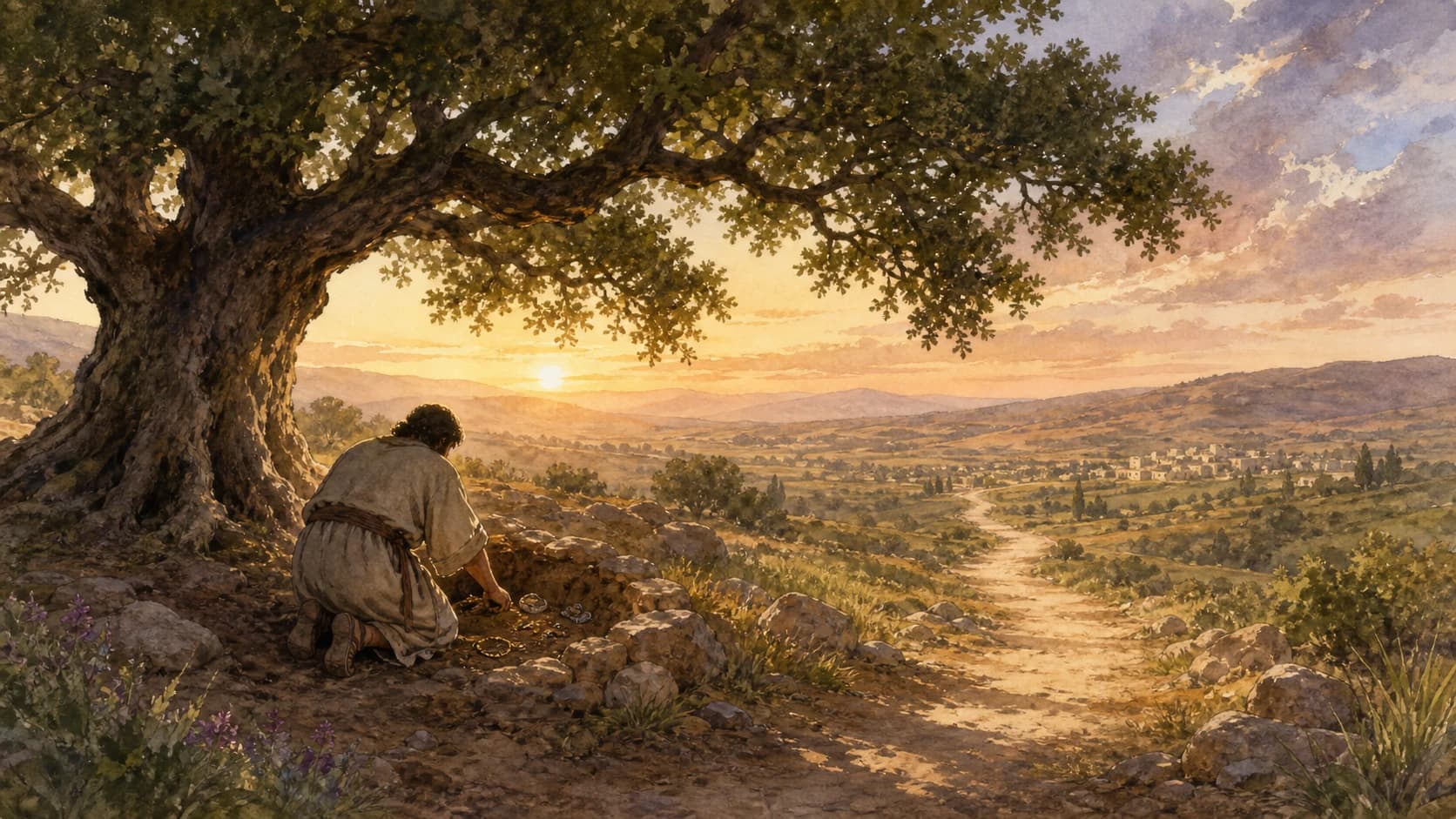
What should we do when it is time to return to God? In Genesis 35, God told Jacob to go up to Bethel and build an altar there. Jacob told his household to get rid of their foreign gods and purify themselves. Then they went to Bethel, where Jacob built an altar to God. This passage shows that returning to God is not merely an inward decision. It is demonstrated through action: letting go of what must be left behind and going where God has instructed us to go.
God Told Jacob to Go to Bethel
God told Jacob to go up to the place where He had appeared to him when he was fleeing from Esau, settle there, and build an altar. Remembering that time, Jacob said he would build an altar to the God who had answered him in his time of trouble and been with him wherever he went. Jacob needed to go to Bethel because God Himself had spoken to him.
When Jacob arrived at the place where he had spoken with God, he built an altar. He called the place El-Bethel. God appeared to Jacob again and blessed him, calling him Israel. God told him to be fruitful and multiply, and promised to give Jacob and his descendants the land He had given to Abraham and Isaac.
He Left Behind What Needed to Be Left Behind
As Jacob told his household to go up to Bethel, he instructed them to get rid of their foreign gods, purify themselves, and change their clothes. The members of his household gave Jacob the foreign gods and earrings they possessed. Jacob buried them under the oak near Shechem.
The passage does not explain in detail what those objects represented. It simply tells us that Jacob’s household discarded them and purified themselves before going to Bethel. Drawing near to God and putting away the things that need to be removed from our lives appear together.
There Was Grief Even on the Way Back to God
After leaving Bethel, Rachel died while giving birth to Benjamin. Rachel named her son Ben-Oni, but Jacob called him Benjamin. Jacob buried Rachel and set up a pillar over her grave.
Afterward, Jacob continued on his journey. The passage also records Reuben’s sin with Bilhah, which Jacob heard about. Genesis 35 does not record only the moments when God spoke and gave His blessing. It also shows death and wrongdoing within the family. The passage does not say that everything immediately became easy on the way back to God.
Choose One Thing to Give Up Today
One practical step you can take today is to identify one thing you believe is keeping you from returning to God and lay it down. You do not need to immediately assume that it is like the foreign gods mentioned in this passage. Instead, write down specifically what you are putting before God or what you are holding on to that keeps you from following His Word. Then decide not to do that one thing today.
After hearing God’s command to go to Bethel, Jacob instructed his household and buried the foreign gods and earrings he received. We too can move beyond simply talking about our decision and put it into practice through one concrete action. To read more of Genesis 35 and reflect on what God said to Jacob and how Jacob responded, visit Bible Reading.
Related articles
What Did Joseph Do After Jacob’s Death in Genesis 50?
In Genesis 50, we look at how Joseph kept Jacob’s burial command, reassured his brothers who feared retaliation, and spoke of God’s promise.
Genesis 49: Jacob’s Blessing and Final Instructions
In Genesis 49, we look at what Jacob said to his twelve sons, the blessings he gave each one according to their portion, and the burial instructions he left behind.
What Did Joseph Reveal to His Brothers in Genesis 45?
In Genesis 45, we look at how Joseph revealed himself to his brothers and explained that God had preserved the life of their family.
 Bible Habit
Turn this article into today’s reading habit
Keep your McCheyne plan, sequential reading, notes, and progress together so the next passage is always clear.
- Today’s passages
- Reading checklist
- Notes and highlights