

Why Did Moses Delegate His Work in Exodus 18?
Explore how Jethro rejoiced when he heard about God’s deliverance in Exodus 18 and why Moses shared the burden of judging the people with other leaders.
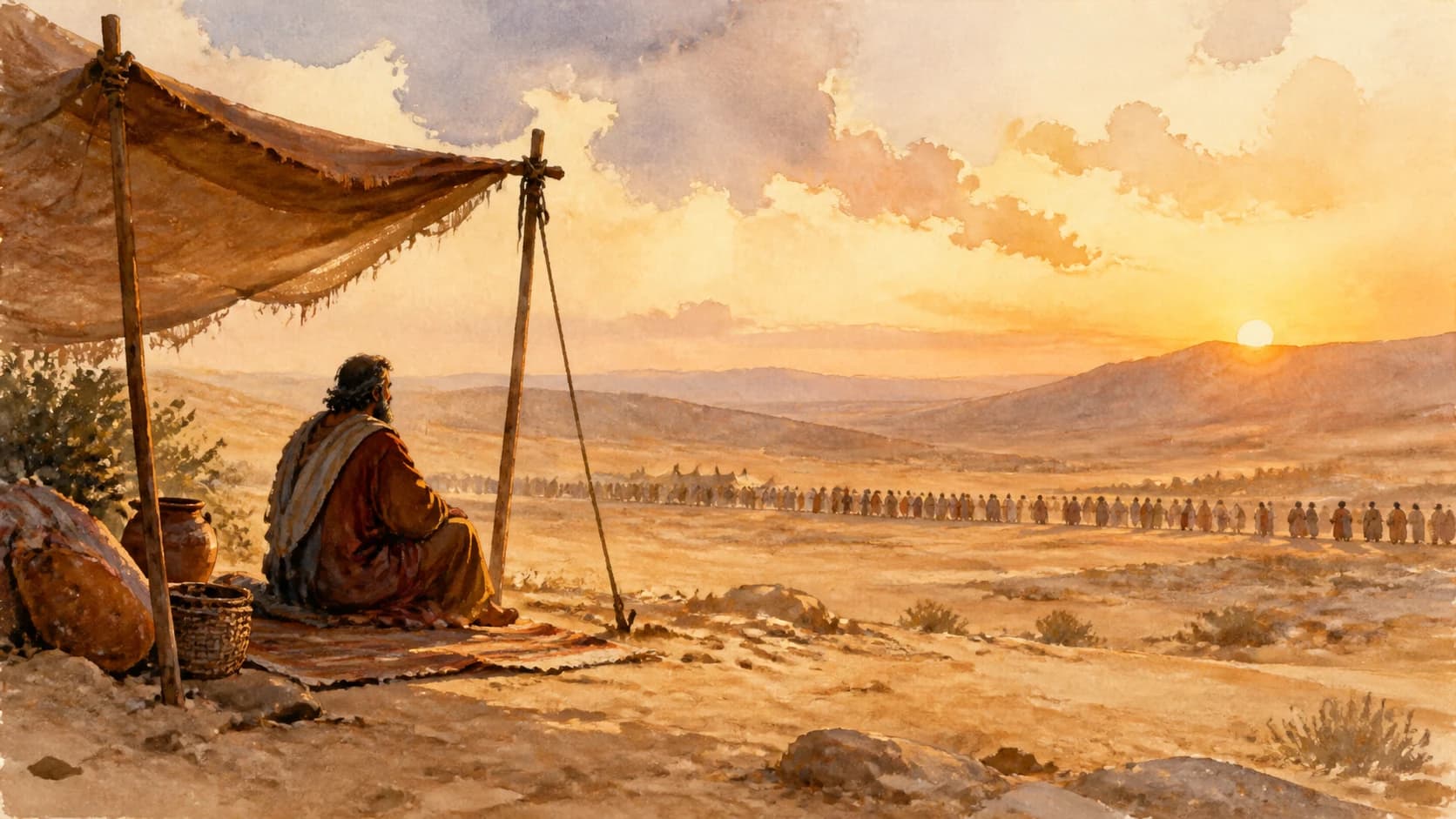
In Exodus 18, Moses delegated his work because judging every case by himself had become so burdensome that both he and the people were wearing themselves out. Jethro advised him to appoint qualified men to handle the smaller matters and bring only the difficult cases to Moses. Exodus 18 records both Jethro’s response to hearing about God’s deliverance and the changes Moses made so that others could share the responsibility of judging the people.
Jethro Rejoiced When He Heard What God Had Done
Jethro heard everything God had done for Moses and Israel, including how he had brought Israel out of Egypt. He took Moses’ wife, Zipporah, and their two sons and came to Moses in the wilderness. Moses welcomed his father-in-law, greeted him, and went into the tent with him.
Moses told him more than what had happened to Pharaoh and the Egyptians. He also gave a detailed account of all the hardships Israel had faced along the way and how the Lord had delivered them from every trial. Jethro rejoiced when he heard how the Lord had rescued Israel from the Egyptians. He praised the Lord and declared that God had triumphed over those who had treated Israel arrogantly.
Jethro’s response went beyond words. He brought a burnt offering and other sacrifices to God. Aaron and all the elders of Israel also came and shared a meal with Jethro in the presence of God. His joy at hearing what God had done led to praise, worship, and fellowship around a shared meal.
Moses and the People Waited from Morning Until Evening
The scene changed the next day. Moses sat down to judge the people, who stood around him from morning until evening. Jethro saw Moses sitting alone while the people waited all day. He asked Moses why he was handling the work by himself.
Moses explained that the people came to him to seek God’s will. Whenever a dispute arose, he judged between the parties and taught them God’s decrees and instructions. This was necessary work, but there was a problem with having one person decide every case personally.
Jethro told Moses that his way of handling the work was not good. The burden was too heavy for Moses to carry alone, and both he and the people waiting with him would wear themselves out. The problem was not the work of judging itself, but that every case was being brought to Moses alone.
They Divided the Responsibility for Major and Minor Cases
Jethro first explained the responsibilities Moses should continue to carry. Moses was to represent the people before God and bring their disputes to him. He was also to teach them God’s decrees and instructions, showing them how to live and what to do.
At the same time, Jethro outlined the responsibilities others should assume. Moses was to select capable men from among all the people—men who feared God, were trustworthy, and hated dishonest gain. He was to appoint them as leaders of thousands, hundreds, fifties, and tens so they could judge the people at all times. Major cases would be brought to Moses, while the appointed leaders would decide the minor ones themselves.
With others sharing the responsibility, Moses’ burden would become lighter. The people would no longer have to stand around one man from morning until evening and could return home in peace. Delegating responsibility did more than make Moses’ work easier. It also created a system that reduced the people’s waiting time.
Moses listened to his father-in-law and followed his advice. He appointed qualified men, and they judged the simpler cases themselves. Only the difficult cases were brought to Moses. Jethro’s counsel did not remain a suggestion; it led to a practical change in how the people’s needs were handled.
Consider one responsibility you are holding on to alone today. Identify the smaller parts that someone else could handle, assess that person’s ability and character, and then share the responsibility clearly. The division of responsibility in Exodus 18 was not about carelessly passing work to others. It was about choosing the right people, distinguishing major matters from minor ones, and carrying the work together.
Related articles
Where Deuteronomy 24 Tells the Powerful to Stop
Deuteronomy 24 places limits on creditors, employers, and landowners. This article follows the chapter’s flow to explore why the poor must be allowed to keep their bedding, receive their wages, and have food to eat.
Deuteronomy 21 Sets Limits on the Use of Power and Emotion
Deuteronomy 21 requires matters—from an unsolved death to a captive woman, the rights of the firstborn, and the burial of an executed person—to be handled according to established procedures and limits.
Why Does Deuteronomy 4 Tell Us to Remember and Obey?
Deuteronomy 4 explains why Israel must remember what they personally saw and heard God do, refuse to make idols, and obey his word without adding to it or taking away from it.
 Bible Habit
Turn this article into today’s reading habit
Keep your McCheyne plan, sequential reading, notes, and progress together so the next passage is always clear.
- Today’s passages
- Reading checklist
- Notes and highlights