

Meditation on the Parable of the Wicked Vinedressers: The Heart That Kicked Out the Owner’s Son
Reflecting on Mark 12's parable of the wicked vinedressers, contemplating God's patience, human stubbornness, and the gospel centered on Christ, the rejected Son.
Meditation on the Parable of the Wicked Vinedressers: The Heart That Kicked Out the Owner’s Son
The parable of the wicked vinedressers is a challenging and unsettling story. Its storyline is relatively simple, but the depths of God's patience and human obstinacy woven throughout it are profound. This parable appears in Matthew 21, Mark 12, and Luke 20. Today, we focus on Mark 12:1-12, meditating through the scenes as they unfold. Jesus told this parable just before His crucifixion in front of the religious leaders, and they quickly realized it was a reflection of themselves. Therefore, this story is not merely a moral lesson but a revelation of human sin—refusing God's Son face-to-face.
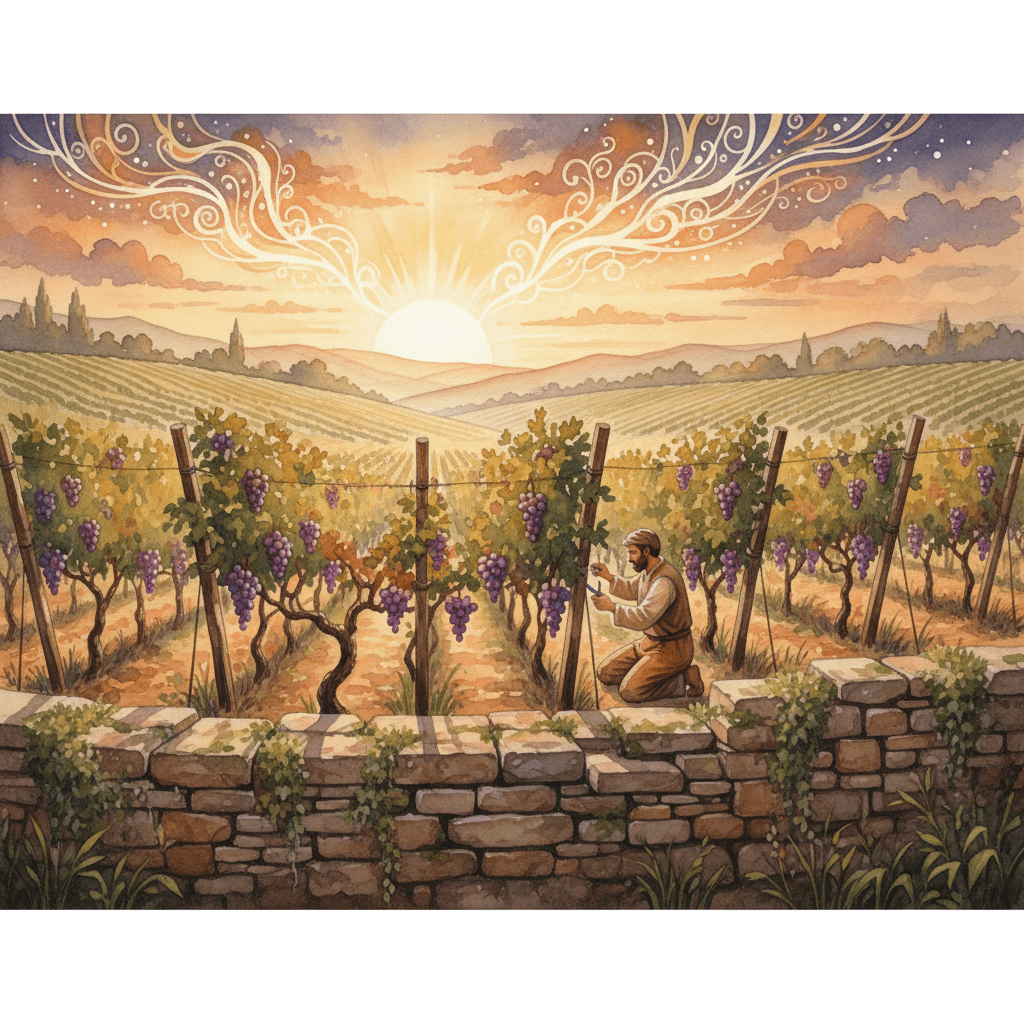
The first scene introduces the landowner who establishes the vineyard. Jesus says, “A man planted a vineyard, put a fence around it, dug a pit for pressing out the wine, and built a watchtower; then he leased it to some farmers and went away to another country” (Mark 12:1). This single verse encapsulates the owner’s meticulous preparation. The vineyard wasn't a land of chance; it was carefully planned and nurtured. This echoes how God thoughtfully established Israel. Likewise, our lives—faith, time, relationships, possessions, and entrusted missions—may appear as ours, but fundamentally, they are gifts from God. We are stewards, not owners. The starting point of this parable is here: God is the one who prepares and entrusts, not the one who merely claims rights.
The second scene involves the owner expecting fruit and sending servants to collect it. But the farmers beat the servants, shamefully turn them away empty-handed, and some even wound or kill them. Despite multiple messengers, some are beaten, others killed (Mark 12:2-5). What's shocking is not just open rebellion but repeated rejection. The owner keeps sending messengers, and the farmers keep refusing. This resonates with the Old Testament prophets—God persistently spoke through His messengers across generations, but His people frequently rebelled.
The horror of sin isn't limited to outright rebellion. It also manifests in delaying God's words, ignoring His call, or postponing obedience. People attend worship but don't bear fruit for God. They know His Word but postpone confession and submission. These attitudes cast shadows of this parable—being present spiritually but refusing the owner's authority signifies we're treading the same path as the farmers. Therefore, this parable isn't just directed at the religious leaders of a particular era but serves as a mirror reflecting the hearts of all God's people.
The third scene hits hardest: there is still one person left—the beloved son. The owner says, “I will send my beloved son; perhaps they will respect him” (Mark 12:6). But the farmers conspire among themselves, “This is the heir. Come, let us kill him, and the inheritance will be ours” (Mark 12:7). They seize and kill the son, then cast him outside the vineyard (Mark 12:8). Jesus prefigures His own impending death through this parable. Though God's final word was to send the Son, humanity rejected and turned away from Him.
Here we see the depths of human sin. Humanity doesn’t just dislike God's commands; it refuses the very idea of God's reign. The owner’s Son must be eliminated so that we can pretend to assume authority ourselves. This is sin's essence: not merely missteps, but a rebellion against God's sovereignty, seeking to become kings ourselves. Yet, amid this darkness, the core of the gospel shines through—that even as humans reject the Son, God’s plan of salvation uses that rejection. Jesus was forsaken but not in vain. He died on the cross in our place, obeyed God's will to the end, and opened the pathway of salvation. Our righteousness and acceptance are grounded not in our goodness or responses but solely in Christ's obedience and substitution.
Connecting this parable to our lives today, a clear question arises: do I see what belongs to God as God's, or am I holding onto what’s entrusted to me as my right? As faith deepens, we must be more cautious. Church service, knowledge of Scripture, routines of devotion—they can subtly shift into a sense of ownership. We might say we serve God's Word but actually resist its rule. We claim to work for God but might resist Him changing the direction of our lives. The core truth of this parable is not just that “the religious leaders were wicked,” but it invites reflection—do I harbor a heart that’s uncomfortable with the Son, delaying repentance, or possess a complacent attitude that avoids fruitfulness?
Jesus then quotes, “The stone that the builders rejected has become the cornerstone” (Mark 12:10, Psalm 118:22). Declaring that the rejected Son becomes the foundation signifies that the one whom people discard ends up being central. Jesus, whom people reject, becomes the cornerstone of God's kingdom. This is hopeful even in judgment. When we realize parts of our lives have been pushing Jesus away, we are not doomed but called back to the cornerstone. True repentance is not self-reproach but turning our eyes to Christ, who was forsaken yet glorified.
If you wish to explore the flow of this passage alongside parallel scriptures, you can use the AI Bible Search to compare Matthew 21 and Luke 20. Reading the context around Mark 12 in Bible Reading reveals why Jesus’ entry into Jerusalem and His temple debates so sharply echo this warning. If you seek ways to deepen your meditation on God's Word, referring to What is Meditation? and What is Quiet Time? might help.
This message is not just a warning; it’s also an invitation. God demands fruit, but He first prepares the vineyard, shows patience, and finally sends His Son. Therefore, our application today is clear: recognize that your time, talents, resources, words, and choices are ultimately God's. Embrace God's authority without discomfort and accept it in faith. Repentance is not a step back in faith but an honest act of surrender—acknowledging Him as Lord. Don’t delay even small acts of obedience. Prioritize His will over your claims and bear fruit where He has placed you. It is time to quietly reflect on how we are treating the Owner's Son in our vineyard—may we respond with faith and humility.
Related articles
1 Thessalonians 4: A Holy Everyday Life
Following 1 Thessalonians 4, this article considers holiness, brotherly love, faithful work, and the hope of resurrection and Christ’s return. It offers a gospel-centered meditation on how believers can live without wavering amid a busy daily life.
Meditation on Zephaniah Chapter 3: God Singing After the Day of Judgment
Zephaniah 3 reveals Jerusalem’s sins and the corruption of its leaders, yet proclaims God's salvation and joy for the remnant who turn back to Him. Reflect on a Word shining with justice and mercy.
 Bible Habit
Turn this article into today’s reading habit
Keep your McCheyne plan, sequential reading, notes, and progress together so the next passage is always clear.
- Today’s passages
- Reading checklist
- Notes and highlights