

Questions Begun in Eden: Reading Human Sin and the First Light of the Gospel through Eve’s Life
Following Eve’s life, we explore the dignity of creation, the destructive power of sin, and the promises of the gospel shining through Genesis. This reflective piece helps us contemplate human fallenness and God’s redemptive plan biblically.
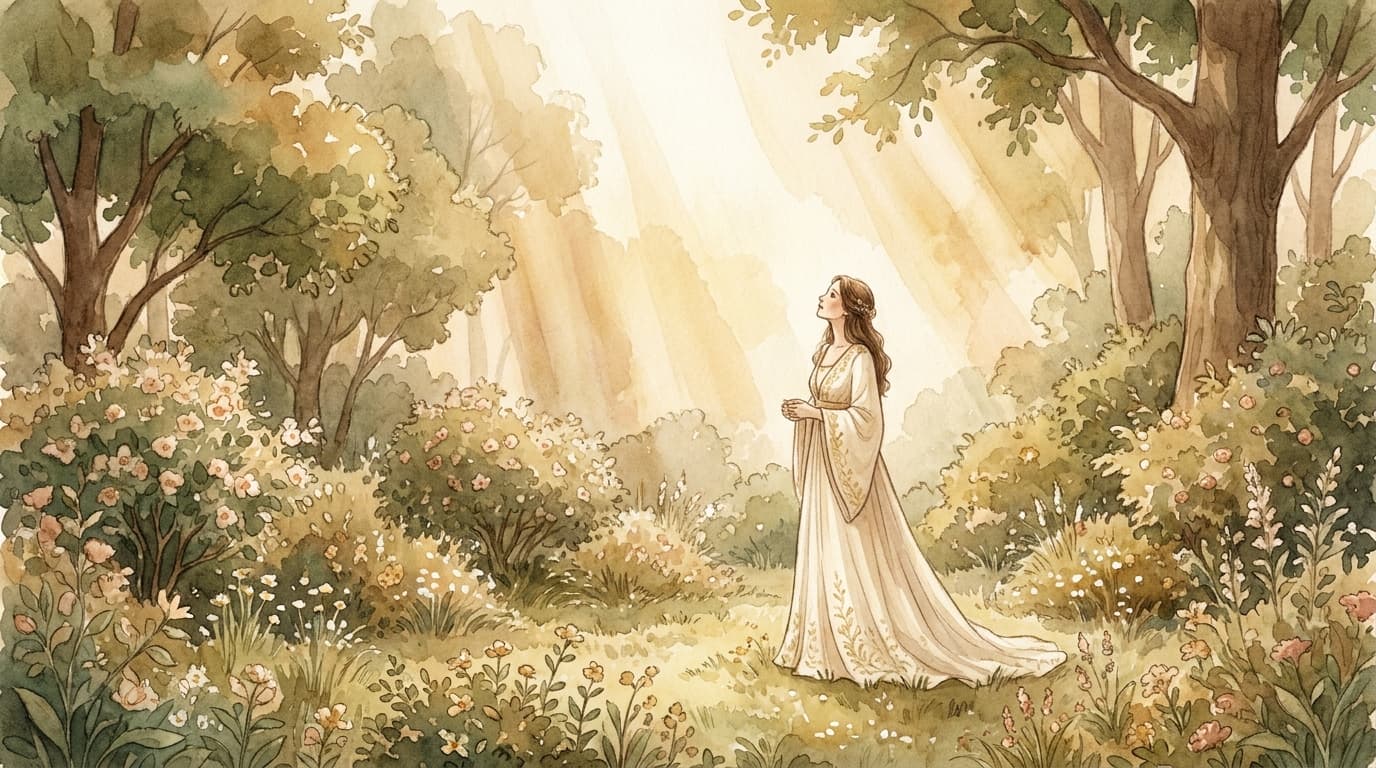
Questions Started in Eden: Reading Human Sin and the First Glimmer of the Gospel through Eve’s Life
When people think of Eve, many first recall the scene of her fall. However, the biblical account of Eve is not confined to just one moment. Her story begins with the dignity of creation, passes through the tragedy of sin, and reveals how God's promises of redemption unfold throughout human history. Therefore, meditating on Eve is not merely about examining an individual's failure but about rediscovering who humans truly are and what God is like.
Eve’s beginning is profoundly beautiful. In Genesis 2:18, God states, “It is not good for the man to be alone,” illustrating that although the world God created was good, man’s solitary state was not part of His perfect creation. Subsequently, God creates woman and brings her to Adam. In Genesis 2:23, Adam exclaims, “This at last is bone of my bones and flesh of my flesh,” expressing joy, not rivalry or contempt, but a recognition of a joyful, divine-given relationship. Eve was not an afterthought or a minor addition but a person carefully fashioned within God's perfect plan.
This insight remains crucial for us today. Human worth is rooted in creation before failure. We are not valuable because of what we achieve but because we are made in God’s image. Sin severely damages that worth, yet it does not erase the fact that humans are created in God's image. Thus, even when addressing human misery, the Bible affirms the inherent dignity of human existence. Recognizing Eve’s origin reminds us that before discussing sin, we must remember the goodness of creation.
However, Eve’s story does not end here. In Genesis 3, the serpent distorts God's Word and tests Eve. She succumbs to temptation, prioritizing visible things and her own judgment over God's command, ultimately eating the forbidden fruit along with Adam. Here, we see the essence of sin: it is not mere mistake or immaturity but rebellion—trusting one’s own judgment over God's Word. Human fallenness is not primarily about environmental factors but about disobedience before God. As a result, shame and fear entered, intimacy with God was broken, and relationships suffered.
Yet, immediately after the fall, God's grace is announced. In Genesis 3:15, God declares, “I will put enmity between you and the woman, and between your offspring and hers; he shall bruise your head, and you shall bruise his heel,” the first promise of the gospel long before the full story unfolds. From the place where human sin began, God already foreshadows the path of redemption. This is profoundly significant. The Bible does not deny human failure but also does not let it have the final word. Even in judgment, God offers a promise of salvation.
Moving to Genesis 4, Eve appears in another light. She becomes the mother of Cain and Abel. In Genesis 4:1, Eve says, “I have gotten a man with the help of the Lord,” acknowledging God's role in bestowing life. Although life outside Eden was marked by toil and pain, God continued working as the Life-Giver. Eve's displacement from paradise by sin did not mean God abandoned creation.
However, Genesis 4 also reveals the depth of human sin. Cain and Abel’s sacrifices, Cain's anger, and the murder in the field demonstrate how quickly sin spreads. Within a generation, disobedience in the heart manifested in fratricide. God warns Cain in Genesis 4:7, “Sin is crouching at the door; its desire is for you, but you must rule over it.” Sin is depicted not merely as weakness but as a force seeking to consume humans. Despite this, Cain disregards God's warning and kills Abel.
This scene pushes us to reread Eve’s life through the lens of sin’s destructive power. Once, her children’s lives brought joy; now, they are witnesses to tragedy. The Bible does not detail Eve's feelings of loss and despair extensively, but its silence carries a weight of sorrow. Sin does not stay contained in the individual; darkness originating in one heart can rupture relationships, tear families apart, and spread through history. In our lives today, too, neglecting small envies can lead to hurtful words, and harboring long-standing anger can sever bonds. Sin often extends farther than we imagine.
Nevertheless, Genesis 4 does not culminate solely in despair. After Abel’s death, Genesis 4:25 records that God gave Eve another son, Seth. Eve responds, “God has appointed for me another offspring instead of Abel, for Cain killed him.” This brief statement bears profound faith. While the loss cannot be fully undone, God does not end history but continues to work through it. Though human sin’s enormity is clear, God's plan runs deeper and persists longer.
At this point, Eve’s story clearly points toward the gospel. Humanity’s beginning was good, but it was shattered by sin, and its consequences continued through generations. Yet, God does not only judge but opens a path for redemption. The promises of Genesis are ultimately fulfilled in Jesus Christ. The true Man, Christ, takes His place among sinners, destroying the power of sin and death through His cross and resurrection. Eve’s story thus becomes a foreshadowing of the salvation that will be fully realized in Christ, the last Adam. Throughout the Bible, human failure is not glamorized but revealed alongside God’s faithful love.
Even considering the historical context, Genesis’s early chapters are not mere family history. Unlike the many creation stories of the ancient Near East, Scripture does not portray humans as toys of gods or accidental byproducts. Humans are intentionally created by God, and sin is not fated but results from disobedience to God's Word. This distinction is crucial. The Bible does not attribute human tragedy solely to blind fate or social structures but clearly emphasizes moral responsibility before God. Simultaneously, the path of salvation does not spring from human internal potential but from God's grace.
In our daily lives, Eve’s story is not far removed. Some harbor envy because they feel unrecognized. What begins as fleeting emotions can seed hatred and, if left unchecked, lead to harmful speech. Others, after failure, shy away from coming before God—avoiding prayer and neglecting His Word. Yet, Scripture shows that hiding is not the way to restoration. While God takes sin seriously, He also does not turn away from broken humans. Believers do not come to God because they are without sin but because they recognize their fallenness and rely on Christ’s grace.
Therefore, when meditating on Eve, two attitudes are crucial: sincerity in not taking sin lightly, and faith that does not abandon God's promises. Handling sin lightly causes life to slowly unravel; despairing over failure and giving up hope can cause us to stumble before the gospel’s door. The Bible does not merely condemn us but guides us toward sincere repentance and a renewed faith. Recognizing this, understanding what it means to meditate, and honestly examining oneself before the Word is a vital part of faith.
Though Eve is not a major figure in Scripture’s narrative, her brief story encompasses the essence of human existence: the dignity bestowed by God, the deep scars of sin, the tragedies spanning generations, and God's unwavering promises. After reading her story, we are prompted to ask ourselves: Am I dismissive of the consequences of sin? Or am I so caught up in past failures that I forget God's faithfulness? The shadows cast on the first family in Genesis still linger today, but the light of salvation that shone from those opening pages remains valid. Re-examining our choices, relationships, and hearts in light of that initial divine promise is the true fruit of reading Eve’s story.
For those wishing to follow this overarching biblical flow, exploring what it means to read the Bible consecutively and tracing the thread of the redemptive story from Genesis through the Gospels can be beneficial. Eve’s story reveals human sin but also testifies that God does not abandon His history. Therefore, we must face our weaknesses without despair. God is holy, judging sin, yet also a gracious God saving His people in Christ. Eve’s story holds these two truths together at the same time.
Related articles
Revisiting Cain's Story: Standing at the Door of Jealousy and Sin
Through Genesis 4, we explore jealousy, anger, worship, and the warning of sin. Contrasting Cain’s path with Christ's, this meditation prompts us to reflect on our hearts and obedience today.
Meditation on Genesis Chapter 2: God's ordained order of rest and human dignity
Genesis chapter 2 reveals God's rest, human dignity, the meaning of work, boundaries in speech, and the order of relationships. This meditation aims to help restore our original place before God.
Learning Obedience and Responsibility from Adam
Reflecting on Adam's failure, we explore obedience, responsibility, and the hope of restoration in Christ.
 Bible Habit
Turn this article into today’s reading habit
Keep your McCheyne plan, sequential reading, notes, and progress together so the next passage is always clear.
- Today’s passages
- Reading checklist
- Notes and highlights