

What Boundaries Governed Sacred Offerings and Sacrifices in Leviticus 22?
Leviticus 22 commands Israel not to profane the LORD’s holy name, distinguishing who may eat the sacred offerings and when, as well as the condition of acceptable sacrifices and how they must be offered.
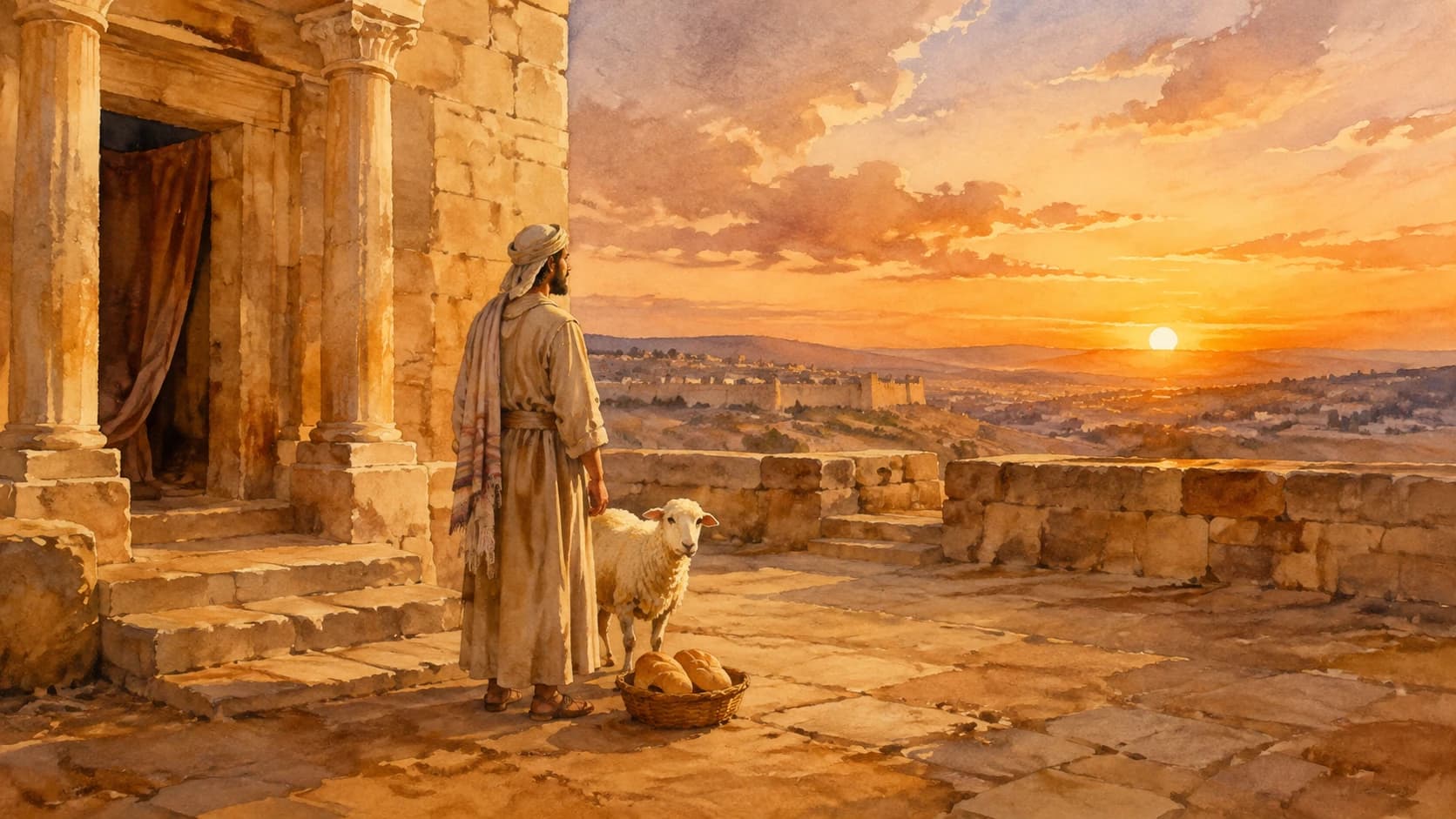
Leviticus 22 commands the Israelites not to treat the sacred offerings and sacrifices presented to the LORD carelessly. They had to distinguish who could eat the sacred offerings and when, as well as determine the proper condition of a sacrifice and how it was to be offered. All these boundaries serve one central purpose: to keep the LORD’s holy name from being profaned.
An Unclean Priest Had to Wait Until He Was Clean
The LORD told Aaron and his sons to treat the sacred offerings presented by the Israelites with due care. He also warned that anyone who approached a sacred offering while unclean would be cut off from his presence.
A priest with a defiling skin disease or a bodily discharge could not eat the sacred offerings until he was clean. The same applied to anyone who had touched a corpse or a creature that made him unclean. Anyone who became unclean had to wait until evening and wash his body with water. Only after sunset, when he became clean, could he eat his allotted share of the sacred offerings.
The fact that a sacred offering was a priest’s allotted food did not mean he could eat it at any time. Even someone entitled to eat it had to refrain while unclean. The passage places obedience to the LORD’s command ahead of eating the sacred food. The warning that profaning the command could bring guilt and death underscores the seriousness of this boundary.
Only Designated People Could Eat the Sacred Offerings
No outsider, guest of a priest, or hired worker could eat the sacred offerings. A person purchased by a priest, however, and anyone born into his household could eat the priest’s food. If a priest’s daughter married an outsider, she could no longer eat from the sacred contributions. But if she became widowed or divorced without children and returned to her father’s household as she had lived in her youth, she could again eat her father’s food.
These regulations clearly show that sacred offerings were not ordinary food. They were not available to anyone who wished to take them; once offered to the LORD, they became an allotted portion for designated people. If someone ate a sacred offering unintentionally, the matter could not simply be overlooked. That person had to restore it to the priest and add one-fifth of its value.
Sacrifices Had to Be Without Defect
Beginning in verse 18, the passage sets boundaries for animals offered as burnt offerings and fellowship offerings. Whether fulfilling a vow or presenting a freewill offering, anyone bringing a burnt offering had to choose a male without defect from the cattle, sheep, or goats. An animal with a defect would not be accepted.
The passage lists specific defects, including blindness, injury, mutilation, and sores. Even an animal obtained from a foreigner could not be offered as food to God if it was malformed or defective. A willing heart alone was not enough for a voluntary offering. The sacrifice also had to meet the conditions established by the LORD.
A newborn calf, lamb, or goat had to remain with its mother for seven days and could be presented as an offering beginning on the eighth day. Slaughtering a mother and her young on the same day was also forbidden. A sacrifice of thanksgiving had to be offered in a manner that ensured its acceptance and eaten on the same day; none of it could be left until morning. The LORD’s command governed not only the condition of the sacrifice but also the timing and manner in which it was handled.
Every Boundary Served to Keep the LORD’s Name from Being Profaned
At both the beginning and the end of the chapter, the LORD commands his people not to profane his holy name. Between these commands, the passage describes unclean priests waiting and washing, restrictions on who could eat the sacred offerings, the selection of animals without defect, and the proper timing for offering and eating sacrifices. Holiness was not a vague feeling. It was expressed through concrete obedience in the way sacred offerings and sacrifices were handled.
The LORD declared that he was the one who made Israel holy and had brought them out of Egypt to be their God. Israel therefore could not use the sacred offerings or choose sacrifices according to their own preferences. They had to obey the commands of the LORD who had delivered them.
One practical step for today is to read Leviticus 22 again and separately mark the boundaries for eating sacred offerings and those for presenting sacrifices. Write down who could eat them and when, as well as which sacrifices could be accepted and when. This will help you see how the command not to profane the LORD’s name holds the entire chapter together.
Related articles
Deuteronomy 23 Sets Clear Boundaries for Holiness
Deuteronomy 23 establishes clear boundaries concerning the assembly, the camp, money, vows, and a neighbor’s property, safeguarding the community’s order and holiness.
Numbers 16: Why Did Aaron Stand Between the Dead and the Living?
Explore the events of Numbers 16—from Korah’s rebellion and the judgment involving the censers to the renewed plague—and discover why Aaron stood between the dead and the living.
Leviticus 21 Establishes Boundaries for Priestly Service
Leviticus 21 explains how the boundaries of priestly service and the sanctuary were upheld through regulations concerning the dead, marriage, the high priest, and physical defects.
 Bible Habit
Turn this article into today’s reading habit
Keep your McCheyne plan, sequential reading, notes, and progress together so the next passage is always clear.
- Today’s passages
- Reading checklist
- Notes and highlights