

A Quick Read of Leviticus: Learning About God's Presence Through Holiness and Atonement
This summary explores the core themes of Leviticus through offerings, purity, the Day of Atonement, and a holy life. We examine how approaching a holy God and Christ's complete atonement connect to our daily lives.
A Quick Read of Leviticus: Learning About God's Presence Through Holiness and Atonement
When people first open Leviticus, many feel overwhelmed. The regulations for sacrifices are lengthy, rules about cleanliness and uncleanliness are repeated, and some expressions may be unfamiliar. However, Leviticus is not a distant book. It is about God, who rescued His people through the exodus, now dwelling among them and teaching them how to live before Him. While Exodus reveals the event of salvation, Leviticus shows how the redeemed people are to live in the presence of a holy God.
The central message of Leviticus is clear. God is holy, and His people must live holy lives. Leviticus 19:2 states, “You shall be holy, for I the Lord your God am holy.” This is not merely a requirement for outward appearance or strict rules. It is a call that the entire life of God's people, those belonging to Him, should reflect His character. Holiness is not an exclusive standard for a few pious individuals but a divine desire for the covenant community as a whole.
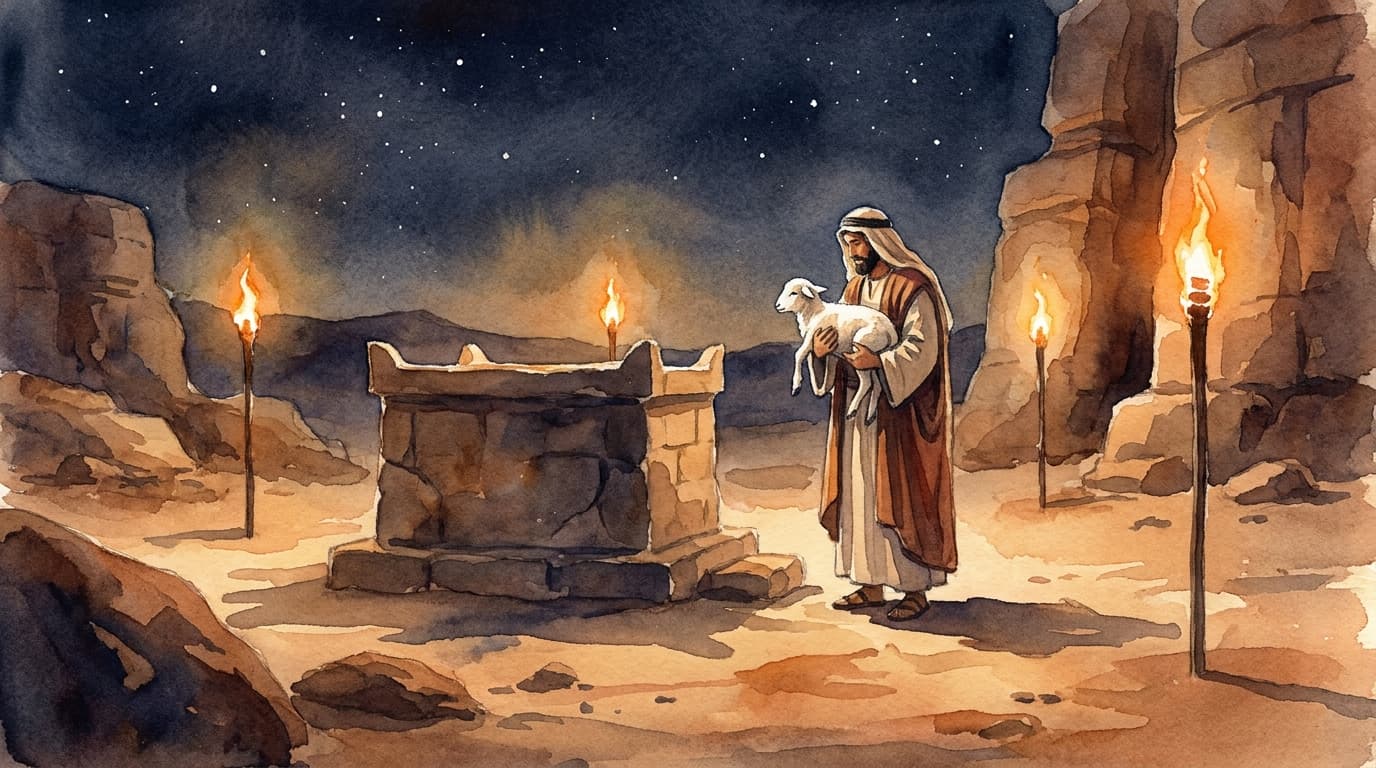
The flow of the book becomes clearer when summarized briefly. Leviticus 1-7 describes offerings: burnt offerings, grain offerings, peace offerings, sin offerings, and guilt offerings. This section demonstrates that sinners cannot approach the holy God casually. Yet, at the same time, God Himself opens the path for approaching Him. It shows that access to God depends not on human emotion, zeal, or moral achievement but on His prescribed method of atonement. The Bible consistently affirms that salvation begins from God and does not originate from people.
In chapters 8-10, we see the ordination of priests and the death of Nadab and Abihu. Particularly, Leviticus 10:3 provides a key to understanding the entire book: “I will be sanctified in those who are nearest to Me.” Approaching God is no trivial matter. Worship is not a routine to be casually dismissed, but an encounter with the Holy God. This emphasizes that God is to be revered, not just feared, but understood as the true God Himself. Authentic worship begins not from human satisfaction but from reverence for God.
Chapters 11-15 deal with laws about cleanliness and uncleanliness. While these tend to be the most challenging sections for modern readers, the core message remains clear: God's people are called to live with a holy distinction. In ancient Israel, even eating, bodily conditions, and everyday contact were regulated to remind them to think of God at all times. Today, we no longer follow the detailed Mosaic ceremonial laws in the same way, but we are still called to live in God's presence in all aspects of life. Not only during Sunday worship but also in the workplace, family, relationships, speech, time management, and consumption—every area of life is a sacred space. Leviticus reminds us that faith in God is not confined to specific spaces and rituals but calls for a renewed way of living.
The pinnacle of Leviticus is chapter 16—the Day of Atonement. On this day, the high priest enters the Holy of Holies to atone for the sins of the people. This chapter vividly reveals the seriousness of sin and the necessity of atonement. Under the light of the New Testament, we understand that these were shadows pointing forward to Christ. Hebrews 9:12 testifies that Christ entered the Most Holy Place once for all, not by the blood of goats and calves, but by His own blood, thus securing eternal redemption. Therefore, reading Leviticus is not merely about learning ancient rituals; it helps us see how complete and fulfilled Christ’s single, perfect sacrifice is.
Chapters 17-27 focus on concrete aspects of a holy life. Worship is not the only area requiring holiness; sexual morality, loving others, justice, feasts and sabbaths, vows, and dedication are all presented before God. Leviticus 19:18, “You shall love your neighbor as yourself,” is one of the most quoted verses by Jesus. Far from being just a set of cold rules, Leviticus is a book that translates God's love and love for others into the order of life. Declaring love for God should ultimately be reflected in our attitude and how we relate to others.

For Christians today, Leviticus offers at least three practical messages. First, do not take sin lightly. The numerous sacrifices in Leviticus remind us that sin is never trivial; it is rebellion before a holy God. Second, holiness is not just a task for a few special people but a calling for all saints. Believers are not disconnected from the world but are called to live as those set apart, belonging to God within the world. Third, holiness is not the opposite of grace but a fruit of grace. God first saves and sustains His people, then calls them to holiness. Obedience is not a condition for salvation but a natural response from those who are saved.
When reading Leviticus, it’s best not to try to understand every detailed rule perfectly at once but to grasp the big picture. Remember the five core themes: offerings, priests, purity, the Day of Atonement, and a holy life—these help organize the whole book. Developing a consistent reading habit can be aided by using 365-Day Reading Schedule or Today’s McCheyne Reading Plan to pace your reading. To gain a broader understanding of Leviticus’s structure and background, explore articles such as The Importance of Reading the Whole Bible or the McCheyne Bible Reading Guide. If you prefer to clarify unfamiliar phrases or sacrifice-related terms, the Bible Reading section can help you follow along with the text. If questions arise such as “Why does Leviticus repeatedly emphasize holiness?” consider the What Is Devotion section to connect God's Word with your life questions.
Ultimately, Leviticus guides us in two directions: to deepen our reverence for God and to increase our love for Christ’s atonement. As we understand that approaching the Holy God depends not on our righteousness or good deeds but on His provision of atonement, our faith develops from mere formality to thankful obedience. Orthodox Christianity affirms that salvation is not achieved through human effort but received solely by faith in Christ’s righteousness. Leviticus reminds us of the profound necessity of the gospel.
This week, take time to read Leviticus 19 slowly and mark the repeated phrase, “I am the Lord,” which underscores that all commandments are rooted not in human culture or atmosphere but in God Himself. And at the end of each day, write down one way you can be more distinctively aligned with God—your words, attitude, or relationships. As you continue reading Leviticus, you'll begin to see more clearly the heart of God—one that hates sin yet desires to lead His people into holiness, even amid the complexities of His regulations.
Related articles
What Did the Tassels in Numbers 15 Help Israel Remember?
Explore the meaning of remembering and obeying God’s commands through the offering regulations, atonement laws, Sabbath incident, and command concerning tassels in Numbers 15.
Reading Nehemiah: Restoring the Broken Places
A comprehensive overview of the book of Nehemiah, highlighting its main themes and how the restoration of the walls, community, repentance, and renewal of God's Word relate to our faith today. Discover how the rebuilding process extends beyond physical structures to heart and community renewal.
Ruth at a Glance: The Redeeming Grace That Came to Empty-Handed Naomi
Ruth shows loss and loyalty, God’s providence and redemption, in a short but profound story. Following Naomi, Ruth, and Boaz, this article considers how God carries out redemption through ordinary lives.
 Bible Habit
Turn this article into today’s reading habit
Keep your McCheyne plan, sequential reading, notes, and progress together so the next passage is always clear.
- Today’s passages
- Reading checklist
- Notes and highlights