

Beyond Comfort Zone Compromises: Lessons on Spiritual Discernment from the Story of Lot
Reflecting on Lot’s choices and the story of Sodom, this article examines how small compromises impact the soul and why God's mercy and holy discernment must go hand in hand, grounded in biblical meditation.
Beyond Comfort Zone Compromises: Lessons on Spiritual Discernment from the Story of Lot
Lot isn’t a prominent figure with extensive biblical mentions, but his life raises essential questions for believers. What criteria do people who claim to know God truly base their decisions on? Lot began his journey alongside Abraham. He was someone who lived close to where God's promises were proclaimed. That’s why his story hits more sharply—being near faith-inspired environments doesn’t always mean living with God at the center.
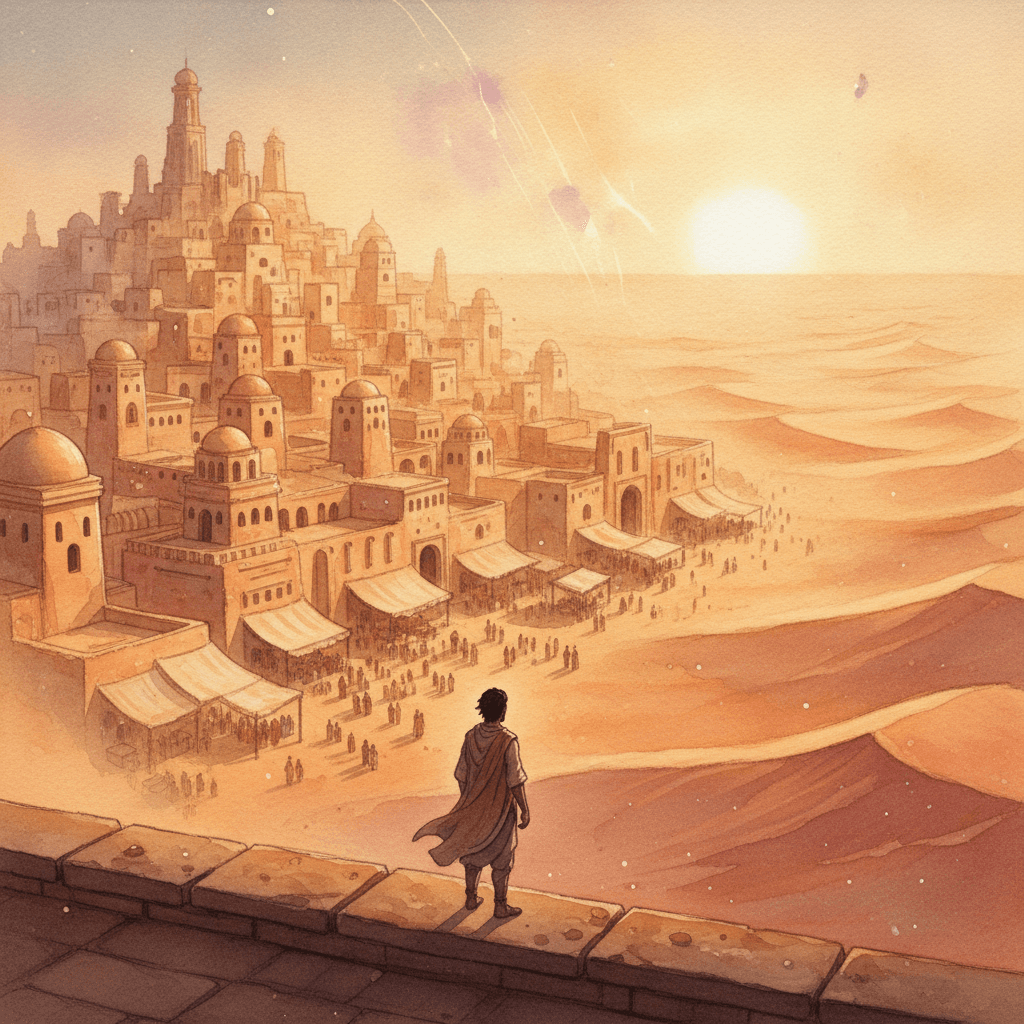
Tracing Lot’s actions in Genesis reveals a life gradually tilting rather than collapsing in one moment. Initially, he set out with Abraham and shared in that grace-filled space. But over time, his choices lean increasingly towards convenient settlement and immediate conditions. Genesis 13:10-13 describes Lot looking over the Jordan plain and choosing that land, which seemed like a garden of the Lord—like Egypt. Yet, the subsequent verses clearly state that the men of Sodom were exceedingly wicked and sinners against the Lord. Appealing external conditions are not always the right path before God.
The Bible makes this pattern clear: people may falter suddenly, but usually small compromises accumulate unnoticed until positions are surrendered gradually. Our lives today are similar. The greater danger than outright apostasy is often prioritizing efficiency over the Word and comfort over holiness. Therefore, understanding reading the Bible correctly and examining oneself within the overall biblical flow is vitally important.
When considering Lot, it’s crucial to see his story in the context of the entire biblical narrative rather than isolated scenes. He initially pitched his tents toward Sodom, and later he dwelled within the city. Genesis 13:12 indicates he moved his tents as far as Sodom, and Genesis 14:12 mentions he residing there. Genesis 19:1 shows Lot sitting at the city gate—implying he’s become an integral part of its societal order, not merely a visitor. In ancient times, the city gate was the place of judgment, official decisions, and governance. His life was progressively being shaped by a specific set of values.
This isn’t unfamiliar today. Instead of city walls, our standards are often shaped by workplaces, platforms, cultural atmospheres, or public opinion. The world urges: "Climb quickly," "Don’t lose out," or "Put aside uncomfortable truths for now." At first, we may feel uneasy, but repeated exposure to such environments dulls our conscience. The sense that sin is wrong blurs, and what should be avoided becomes a pragmatic choice. Lot’s story persists because it vividly illustrates this process.
The New Testament adds a valuable interpretation to Lot’s story. In 2 Peter 2:7-8, it states that God rescued righteous Lot, distressed by the lawless deeds he saw and heard day after day—and his righteous soul was tormented. This passage offers both comfort and a stern warning: God's people are not perfect, but they are held by grace. God does not forget His own. The righteousness of sinners is based not on their deeds but on God's grace. We cling unwaveringly to the gospel—that we are justified solely through faith in Christ. However, it is equally clear that even a righteous person’s spirit can be damaged if they remain too long in corrupt environments. Salvation is secured by God's grace, but living in compromise leaves wounds and losses.
Thus, Lot’s life isn’t just a tale of failure. He isn’t merely depicted as someone who enjoyed lawlessness; he was also troubled within. Yet, merely feeling uncomfortable isn’t enough—changing the heart and making decisions accordingly are different. One can mourn sin but still stay in the same place. Knowing what’s wrong doesn’t automatically make us holy. Lot’s story challenges us: What are we currently uncomfortable with, yet still persisting in holding? Do we hesitate to leave because of fear of loss, even while knowing we must?
For instance, some may have moved to a better position but realize that the prevailing culture dismisses honesty and uses people as means to an end. Initially, they think, "As long as I stick to my core," but over time, they face moments of silence and compromise their conscience. Without realizing it, they may notice that their inner spiritual life isn’t resonating with Scripture the way it used to. Lot’s life exemplifies this gradual shift. Compromise rarely begins with grand declarations; instead, it slips in through familiarity. That’s why cultivating habits of meditation and regularly examining oneself through the Word are crucial in discerning and preventing such compromises.
It’s also important not to shift into judgment of others while reading Lot’s story. The Bible isn’t written to gawk at others’ failures but to reflect on our own hearts. When contemplating Lot, ask yourself: Am I outwardly speaking of faith but choosing convenience, recognition, income, or stability as the ultimate criteria? Are there areas where I already feel the discomfort of God's Word but dismiss it as just feelings, instead of responding? Even if outwardly everything seems fine, is my soul already weary—am I ignoring that reality?
God’s mercy is never a small theme in Lot’s story. Even when humans stagger, hesitate, and repeatedly make foolish choices, God never abandons His people. Genesis 19 shows Lot delaying but ultimately being rescued by God’s mercy through angels—this underscores that divine salvation ultimately belongs to God. The Lord retains the initiative in salvation, not us. This leads believers not to despair but to repentance: not thinking, "My life has fallen apart," but trusting the Lord’s ongoing hand, saying, "Even now, His hand is guiding me back." True recipients of grace do not use divine mercy as an excuse for indulgence; rather, they are motivated by recognizing how immense His mercy is to reorient themselves before it’s too late.
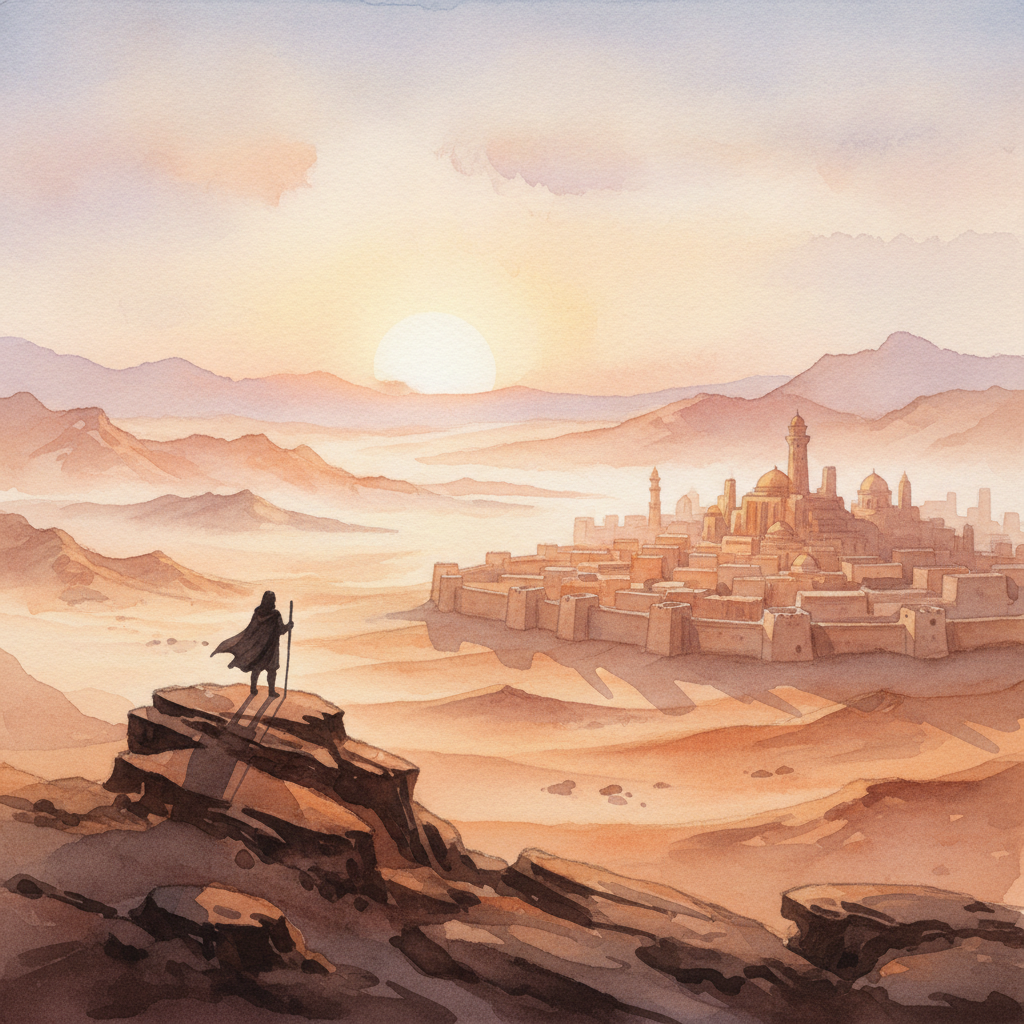
Ultimately, Lot’s life teaches us two key lessons: one, apparent benefits are not always the right path, and two, God’s mercy relentlessly pursues even those wavering and stumbling. Holding these two truths in balance keeps us from losing our footing. Relying only on warning can cause us to suffocate; only emphasizing mercy can lead to complacency. But Scripture shows us both truth and grace together—what we need today is the reclaiming of discernment before lofty resolutions. We should ask not just, "Is this choice immediately advantageous?" but, "Where is this leading my soul?"
Discernment doesn’t come naturally. It is cultivated by staying close to God’s Word, examining one’s decisions before Him, and maintaining a spiritual sensitivity that calls evil what it is. In this regard, habits such as reading the Bible and daily manna are practical helps. The Word is not merely information—it's God’s living voice that reveals our thoughts, intentions, and guides us rightly. Don’t take compromises in comfort lightly, nor let small disobediences slide as insignificant. God today is still leading His people into the truth, and His grace is present for those who turn back. We must be honest before Him, not just stay in fear, and walk in obedience. As we correct our gaze step by step, turning away from familiar compromises and toward what pleases God, we will be restored to the right path and find our footing again.
Related articles
How Did God Save Lot in Genesis 19?
In Genesis 19, we examine from the text why Sodom was condemned to destruction and how God led the delaying Lot out of the city and saved him.
Why Did Abram Let Lot Choose the Land First?
In Genesis 13, Abram lets Lot choose the land first to stop the conflict between their herdsmen. This article examines that choice and the word God spoke afterward.
Genesis 14: What Did Abram Recover and Refuse?
In Genesis 14, we look at what Abram recovered after Lot was taken captive, along with the people who had been taken, and what goods he refused after meeting Melchizedek and the king of Sodom.
 Bible Habit
Turn this article into today’s reading habit
Keep your McCheyne plan, sequential reading, notes, and progress together so the next passage is always clear.
- Today’s passages
- Reading checklist
- Notes and highlights