

Understanding the Background of Mount Sinai, Clarifying the Book of Exodus
Explore the biblical background of Mount Sinai, Delve into the historical, geographical, and wilderness context to better understand why the instructions in Exodus and Deuteronomy were given there, and how it helps us today.
Understanding the Background of Mount Sinai, Clarifying the Book of Exodus
Mount Sinai is a pivotal location in the Bible. The Israelites did not immediately enter the promised land after being delivered from Egypt. First, they passed through the wilderness and stood before Mount Sinai, where God established His covenant people. In Exodus 19:4-6, God says, “You have seen what I did to Egypt, and how I bore you on eagles’ wings and brought you to myself.” Mount Sinai was not just a point along a travel route; it was the place where salvation’s purpose was revealed.
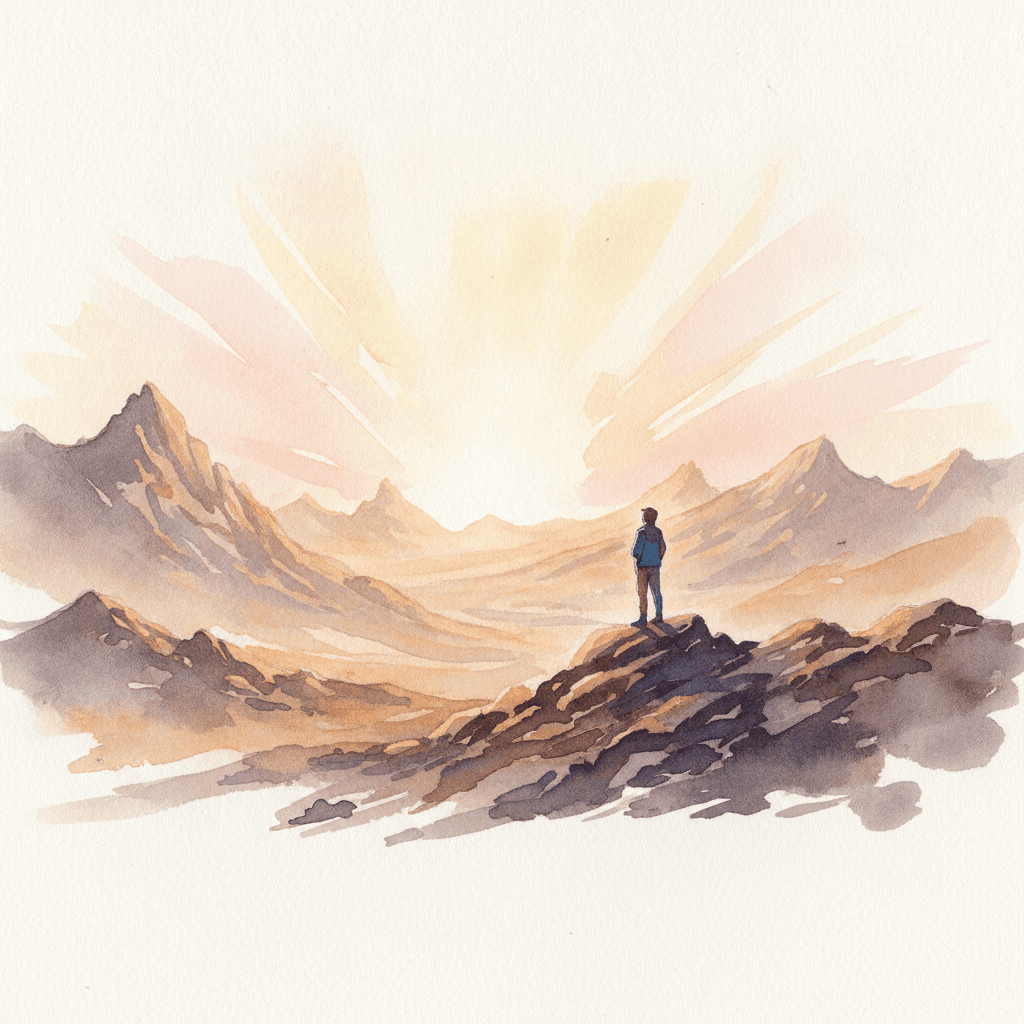
There is some variation among scholars about the exact current mountain that corresponds to biblical Mount Sinai. Traditionally, Jebel Musa in southern Sinai has been most widely identified. However, the biblical text itself is less concerned with confirming a modern geographical name and more focused on the covenant event that took place there. What is clear is that it is not in cultivated land or a city center but in a wilderness area. Rugged rocks, limited water sources, long journeys, and the barren landscape all help us grasp the atmosphere of the Sinai event.
The wilderness always symbolizes testing and reliance in the Bible. Egypt represented storage, system, and strong power, but the wilderness exposed human fragility and dependence. The Israelites had to receive manna and water daily, learning in the process that they were not just an emancipated slave group but a people belonging to God. Therefore, the laws given at Sinai are not merely a collection of rules; they represent the life order handed down by a God who has already rescued His people.
When reading Exodus 19, it becomes clear why Sinai is described with awe and fear. Thunder and lightning, dense clouds, the sound of the trumpet, and the mountain’s boundary all demonstrate God’s approach and His holiness’s magnitude. Exodus 19:12 commands setting boundaries around the mountain, and in Exodus 20:18-19, the people tremble and stand at a distance. This is not because God is cold, but because a proper order is necessary when sinful humanity encounters a holy God. When read against the background of Sinai, the Ten Commandments become more than abstract moral lessons; they live as words spoken at the covenant’s site.
Thinking of the ancient Near East treaty customs makes this scene clearer. Typically, a king would first remind the people of his benefactions and then lay out demands appropriate to their relationship. God does something similar—he declares, “I am the Lord your God who brought you out of Egypt, out of the house of slavery” (Exodus 20:2) before giving the commandments. Obedience is not a requirement to earn salvation but a fitting response of a redeemed people. Correctly understanding the significance of Sinai helps dispel misunderstandings that set law and grace against each other.
This background is also crucial when reading the New Testament. Hebrews 12:18-24 compares touching the fiery mountain of Sinai with entering the glorious new covenant in grace. It doesn’t mean Sinai has become obsolete—on the contrary, Sinai vividly reveals God's holiness, human sinfulness, and the need for a mediator, guiding us toward Christ. When reading Galatians or other writings, it’s clear that the gospel does not diminish laws but shows how Jesus fully fulfilled the problems the law exposes.
When exploring the Sinai account, it’s helpful to follow the sequence of events. Start by opening Exodus 19–20 in Bible Reading and note what the people saw before hearing what they heard. Then, use AI Bible Search to find “Mount Sinai” or “Horeb” and connect these passages with 1 Kings 19 and Deuteronomy to see how one mountain resonates through Scripture. For a holistic reading flow, consider also reading Why Reading the Whole Bible Matters.
Today, Mount Sinai prompts us with questions: Are we merely glossing over God's word as routine religious information, or are we receiving it with the heart of a people whom the Lord has redeemed? The wilderness may be uncomfortable, but it was where Israel learned who God is. Even on days when life feels dry and the road slow, those moments are not necessarily pointless. Mark today’s reading in the Bible Habit App, then gently revisit Sinai stories—start again slowly.
Related articles
How Was the Covenant Established in Exodus 24?
Exodus 24 recounts, in order, the proclamation and recording of God’s word, the people’s two responses, the sacrifices and blood of the covenant, the representatives who ascended the mountain, and Moses’ time of waiting.
Deepening the Reading of Exodus by Understanding Egypt: Biblical Background and the Significance of Egypt
By understanding Egypt’s history, power, and religious background, the book of Exodus becomes clearer. This article carefully examines the biblical meaning of Egypt, God's sovereignty, the nature of salvation, and applies these reflections to daily meditation.
 Bible Habit
Turn this article into today’s reading habit
Keep your McCheyne plan, sequential reading, notes, and progress together so the next passage is always clear.
- Today’s passages
- Reading checklist
- Notes and highlights