

Psalm 10 Meditation: The Confession We Must Hold On To Even When God Seems Hidden
Psalm 10 helps us hold on to the truth that God sees and remains King forever even amid the apparent prosperity of the wicked and the reality that looks like God’s silence. This article explores the language of faith that moves from lament to trust.
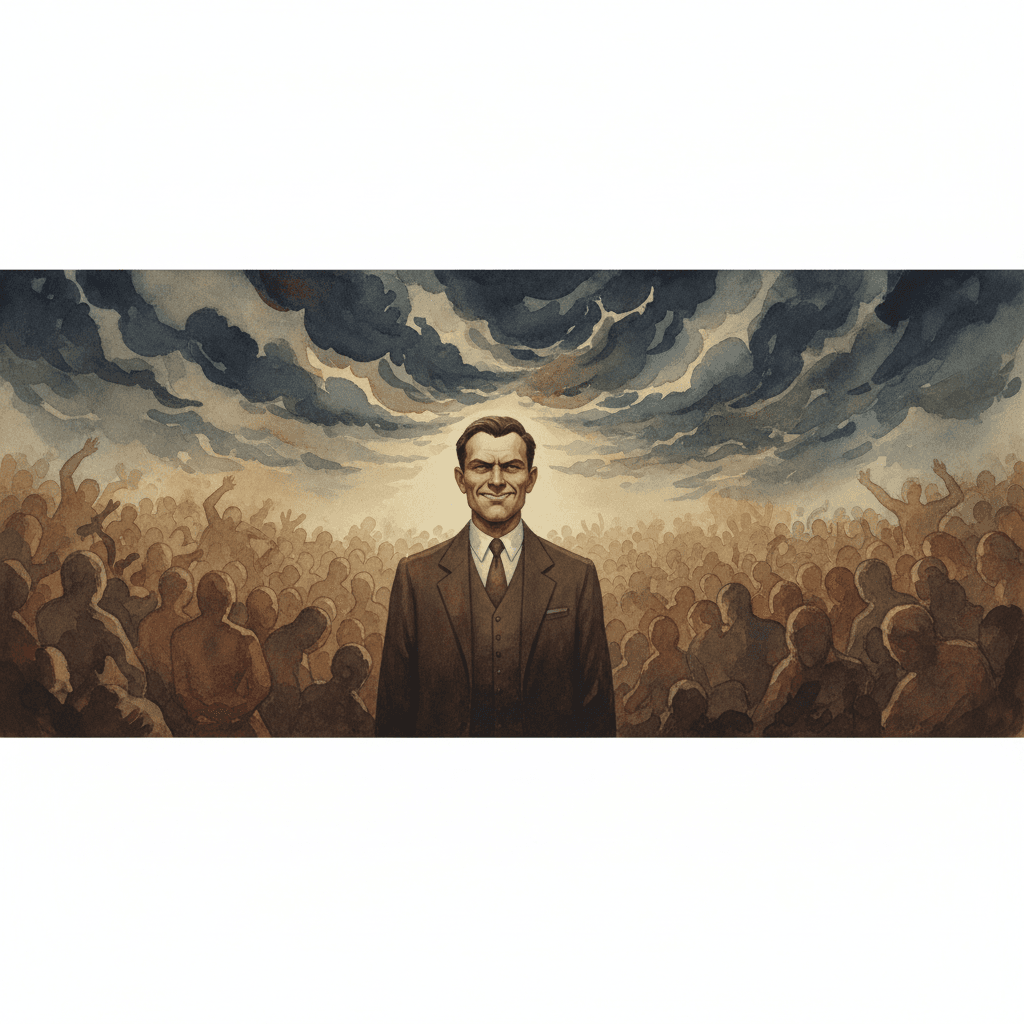
Psalm 10 Meditation: How Does Faith Speak Before the God Who Seems Unseen?
Psalm 10 is realistic enough to make the reader uncomfortable. The wicked appear elevated, while the poor and the fatherless, like other vulnerable people, are easily crushed. Even more troubling is the psalmist’s opening question: “Why, LORD, do you stand far off? Why do you hide yourself in times of trouble?” (Psalm 10:1). This is not a question thrown out because of a lack of faith; it is a lament that becomes more difficult precisely because the psalmist knows God. Scripture does not forbid questions like this. Rather, it leads us to speak directly to God in the midst of pain.
The movement of this psalm is clear. First, the psalmist describes the wicked at length. He says, “In his pride the wicked man does not seek him; in all his thoughts there is no room for God” (Psalm 10:4). The wicked live as though God does not exist in any of their thoughts. The important word here is pride. The evil shown in Psalm 10 is not merely a mistake or a temporary wavering, but a declaration of autonomy that says a person can live without God. Therefore, the wicked speak as though they cannot be shaken and mistake the success before their eyes for lasting security.
Another point to notice is the sin of the lips. Psalm 10 shows how clearly the wicked person’s words become a channel of sin. “His mouth is full of lies and threats; trouble and evil are under his tongue” (Psalm 10:7). The pride of the heart eventually appears in speech. Sarcasm that breaks people down, lies that blur the truth, and language that presses down the weak while pretending to be strong are all included here. We tend to look for evil only in major events, but God also reveals the path of the wicked through habits of speech. Deliberately belittling someone at work, using cynicism to make another person feel small at home, and casually throwing out ridicule online must also be placed under the light of Psalm 10.
Another repeated focus in this psalm is the vulnerable person. The afflicted, the helpless, and the fatherless appear again and again. The wicked lie in wait and target those without strength (Psalm 10:8-10). Sin always takes advantage of an imbalance of power. Therefore, the justice of Scripture does not remain an abstract idea. It is connected to God’s gaze toward people who are not protected. Psalm 10 asks us: Do I seek justice only when I have been treated unfairly, but remain silent when I am in the advantageous position? Do I seriously consider the situation of those who have little power?
Yet the psalm does not end with a description of despair. The turning point is verse 12: “Arise, LORD! Lift up your hand, O God. Do not forget the helpless.” The psalmist does not become bold because the situation has already changed. He cries out again because he remembers who God is. Verse 14 is close to the center of Psalm 10: “But you, God, see the trouble of the afflicted; you consider their grief and take it in hand.” The wicked think God does not see, but the psalmist confesses that God is already watching. Faith is not an attitude that becomes calm only after visible results appear; it is trusting God’s gaze before the results arrive.
The psalm closes with a confession about God as King: “The LORD is King for ever and ever” (Psalm 10:16). It begins as a lament directed toward God who seems hidden, but ends with confidence in God the King. This is the great movement of Psalm 10: from lament to observation, from observation to petition, and from petition to confidence in God the King. Reality may still be harsh, and the problem may not disappear immediately. Yet the center of the psalmist has already moved. His gaze is fixed not on his circumstances but on God.
This passage applies very concretely to daily life. When we are wronged, we should not reach a conclusion only before other people, but first offer the language of our hearts to God. Neither suppressing every emotion nor immediately exploding is the way of faith. Like Psalm 10, we should speak honestly about the facts, but speak them to God. We should examine our habits of speech. If our words today contained more that made someone shrink than words that built them up, that is not a light matter. We should examine our attitude toward the vulnerable. When we are busy, it is easy to regard someone asking for help as a burden, but God reveals in precisely such moments whether our godliness is genuine.
When reading the Psalms, it is also helpful to connect them with the psalms around them. Reading Psalms 9 and 10 together in Bible Reading makes the movement of lament and trust toward the God of justice clearer. Holding on to repeated words and observing them slowly also keeps meditation from scattering. In this regard, a habit that keeps your eyes on one verse, such as Today’s Word, is especially helpful when reading the Psalms. If your Bible-reading rhythm is often interrupted, following a set amount consistently with Today’s McCheyne Reading Chart can also help. More broadly, looking at what the McCheyne Bible reading plan is is useful for understanding Psalm reading within the flow of the whole Bible.
Psalm 10 does not explain every reason behind the question, “Why is God silent?” But it clearly teaches where the person who carries that question should go. The prosperity of the wicked is not the final scene, and a time that looks like God’s silence does not mean that God is indifferent. God sees, examines, and finally judges with righteousness. And even now he is King forever.
Those who read this psalm must hold on to two things together. One is honest lament. The other is an unshaken confession. We must be able to say before God that we are hurting, while also refusing to lose sight of the fact that God is still King. There may still be an unresolved problem in our lives today; evil may seem to be growing, and God’s answer may feel slow. The confession of Psalm 10 is all the more necessary then. Even when God seems unseen, he is not a God who fails to see; even when he seems silent, he has not stopped ruling. Faith is holding on to that truth and turning our eyes toward God again today.
Related articles
Psalm 12 Commentary: Faith in an Age Full of Falsehoods
Psalm 12 shows us what to cling to in a time overflowing with lies and flattery. Even when people's words crumble, God's pure Word remains unshaken, providing discernment and comfort for believers amidst a collapsing speech culture.
Meditation on Psalm 6: How to Hold on to Grace in the Night of Tears
Psalm 6 invites us to cling to God's grace and compassion even amidst guilt, suffering, and tears. Follow David's prayer from lament to certainty and transform today's sorrow into a faithful plea.
Psalm 5 Commentary: Morning Prayers and the Path of the Righteous
Psalm 5 illustrates starting the day with prayers dedicated to God, emphasizing His holiness, boldness in grace, and living a life seeking righteousness. Even in a world full of deceit, the faithful are protected and rejoice in God's grace.
 Bible Habit
Turn this article into today’s reading habit
Keep your McCheyne plan, sequential reading, notes, and progress together so the next passage is always clear.
- Today’s passages
- Reading checklist
- Notes and highlights