

Reflection on the Parable of the Vineyard Workers: The Same Grace for Those Who Come Late
Through the Parable of the Vineyard Workers in Matthew 20:1-16, we meditate on how God's kingdom is built on grace, not merit. This reflection helps us let go of comparisons and resentment, focusing instead on the Lord's goodness.
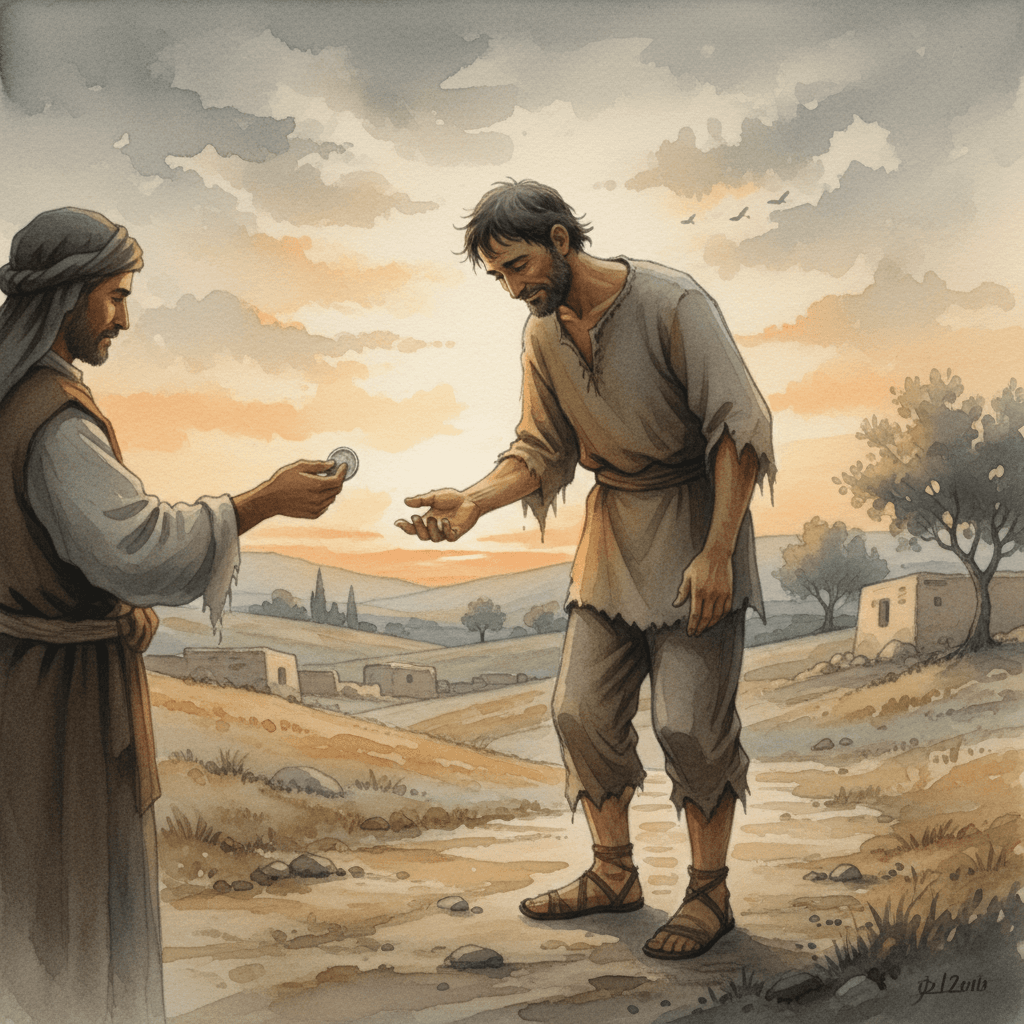
Reflection on the Parable of the Vineyard Workers: The Same Grace for Those Who Come Late
The parable of the vineyard workers in Matthew 20:1-16 often challenges us, stirring discomfort yet guiding us toward the heart of the gospel. In this story, Jesus likens the kingdom of heaven to a landowner who goes out early in the morning to hire workers. Some are called at dawn, others at the third, sixth, and ninth hours, and finally, a few are called at the eleventh hour, just before the day ends. Though simple on the surface, this scene reveals the complexity of human calculations and comparisons.
At the first scene, the landowner agrees with the early workers to pay them a denarius, a typical daily wage. This part is straightforward and easy to accept—it's a clear contract, fair as far as it seems. But then, the landowner continues to go out to the marketplace throughout the day, calling additional workers. These latecomers are not lazy but are rather people who couldn’t find work earlier, say, 'No one has hired us.' Their situation immediately shifts the mood of the story. Although they come late, they’ve been waiting, perhaps all day.
The core of the story is in the final scene. As evening approaches, the landowner instructs his steward to pay the workers beginning with those hired last, up to those hired first. Those hired at the eleventh hour receive a denarius each. Naturally, those who started early expect to be paid more. Yet, they also receive a denarius. The issue isn’t the amount but the attitude. They become resentful and say, "These last ones only worked one hour, yet you have made them equal to us, who have borne the burden of the day and the scorching heat." This human reaction is very relatable. We often think, ‘I worked longer or harder; why should others get the same?’
But the landowner’s response reveals the logic of the gospel: "Friend, I am doing you no wrong; did you not agree with me for a denarius? Take what belongs to you and go. I choose to give this last worker as I give to you. Am I not allowed to do what I choose with what belongs to me? Or do you begrudge my generosity?" (Matthew 20:13-15). The landowner isn’t unjust; he paid everyone exactly what he promised. Out of his goodness, he gave generously to the latecomers. This parable underscores that God’s kingdom isn’t driven by merit or competition. Salvation isn’t a reward based on our deeds but a gift of grace freely given by God.
At this point, we often stumble into an old trap of faith: when we see those who come to faith later in life or after failing and wandering, our tendency is to compare. But before the cross, no one has paid a price to earn entry. Ephesians 2:8 reminds us, “For it is by grace you have been saved through faith. And this is not your own doing; it is the gift of God.” Our salvation isn’t due to our effort or enthusiasm; it’s entirely based on God’s grace. If being called first is grace, then being called later is also grace. The difference in timing doesn’t change the fact that the One who gives life is the same Lord.
Another crucial point is that this parable isn’t a praise for laziness. Those called at the eleventh hour also enter the vineyard immediately. Grace doesn’t excuse complacency; it produces gratitude and obedience. Truly graced individuals respond, ‘Thank you for calling me even late,’ not, ‘It’s too late; I live however I want now.’ The early risers also have no reason to be resentful—they’ve been blessed to work in the Lord’s vineyard, not to accumulate credit. Our spiritual maturity should lead us away from comparison and toward gratitude.
Applying this parable to our lives today, two main lessons emerge. First, those who have been faithful for many years must guard against a sense of superiority. Long service isn’t a badge of pride but an invitation to humility. Second, those who feel they’ve started late should not be discouraged. It might seem that faith began for them late or that they’re only now grasping God’s word, but the Lord does not despise latecomers. Instead, He extends generous grace even at the last hour. Regularly engaging with Scripture and reaffirming the day’s devotion 성경 읽기 or 오늘의 말씀 can help keep this reflection alive in daily life.
The parable of the vineyard workers ultimately reveals what kind of God we serve: not a merely just but a fundamentally good God. We often speak of fairness, but in reality, we desire more for ourselves. Yet, God is the one who grants more than we deserve — grace upon grace. This story invites us not to justify our complaints but to reflect on the true nature of God's goodness. It prompts us to examine whether our joy is in God’s inherent kindness or in receiving more than others.
If this parable has made us uncomfortable, perhaps it’s because we still harbor a transactional view of our relationship with God. We need to question whether we see our relationship with Him as based on love and grace, rather than performance and reward. Cultivating this awareness helps us understand what 묵상이란 is — not just mindless reflection but an ongoing gaze on God's character, steering our emotions and attitudes. The Bible repeatedly teaches us that we live by grace. When we feel disturbed by others’ mercy, we must remember that we ourselves are also living in grace.
In summary, the parable of the vineyard workers teaches us that the kingdom of God, whether we come early or late, is founded on His gracious goodness, not human effort.
Even today, this message remains sharply relevant. When someone who started later than us nonetheless shares in His grace, let us choose joy rather than envy. When we feel we’ve started too late, do not despair—God’s calling is never in vain, and His grace is never short. Today, instead of comparing efforts or tallying our efforts, let us quietly reflect on the goodness and abundance of the Lord who first called us.
Related articles
Holding onto the Heart of the Gospel Between Guilt and Pride, the Bible's Message on Grace
Grace, as portrayed in the Bible, is not merely a comforting feeling but a gift of salvation given through Jesus Christ. Following Ephesians, Romans, and Titus, we explore the true meaning of grace to anchor ourselves amidst guilt and pride, emphasizing that grace is God's love shown to sinners before any human response.
Genesis 6: Noah’s Grace in a Corrupt Age
Through Genesis 6, this article examines humanity’s total corruption, God’s holy judgment, and the grace given to Noah. Following the meaning of the ark and obedience, it invites readers to examine their faith and life today.
 Bible Habit
Turn this article into today’s reading habit
Keep your McCheyne plan, sequential reading, notes, and progress together so the next passage is always clear.
- Today’s passages
- Reading checklist
- Notes and highlights