

Revisiting Cain's Story: Standing at the Door of Jealousy and Sin
Through Genesis 4, we explore jealousy, anger, worship, and the warning of sin. Contrasting Cain’s path with Christ's, this meditation prompts us to reflect on our hearts and obedience today.
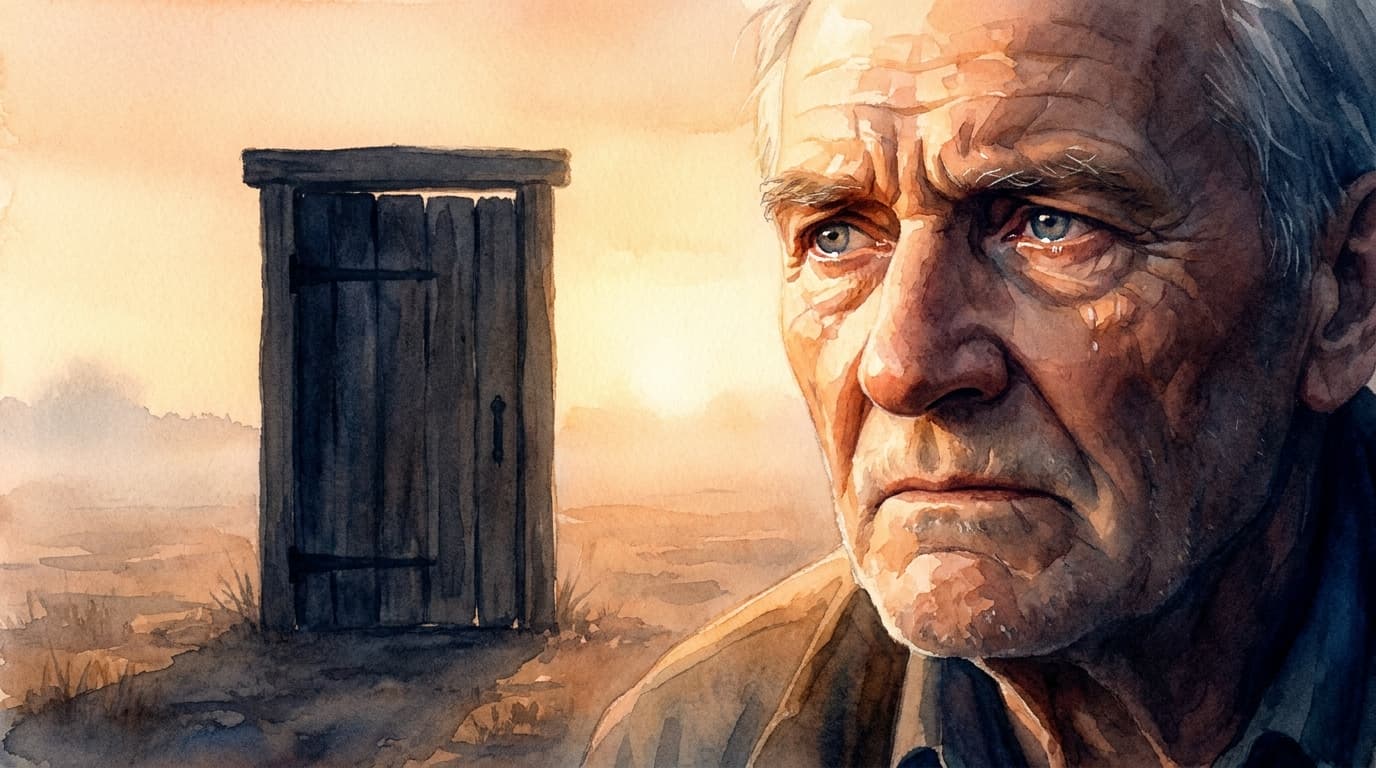
Revisiting Cain's Story: Standing at the Door of Jealousy and Sin
Cain is both the firstborn mentioned in the Bible and a figure that vividly demonstrates how quickly and deeply human sin can spread. His story is brief but profoundly weighty. Genesis 4 is not merely a record of sibling tragedy; it reveals how the human heart manifests in worship, anger, responsibility, and judgment before God. Thus, reading Cain's life is uncomfortable but essential, because we also carry shadows of Cain within us.
According to Genesis 4:1-2, Eve bore Cain and then Abel. Cain became a farmer, while Abel tended sheep. As time passed, both presented offerings to God. Cain offered the produce of the land, and Abel offered the firstborn of his flock and their fat. But Genesis 4:4-5 states, “The Lord had regard for Abel and his offering, but for Cain and his offering He had no regard.” The issue isn’t simply about their professions. Hebrews 11:4 explains, “By faith Abel offered to God a more acceptable sacrifice than Cain.” The core issue was the attitude of faith, not the outward form of the offering.
After being rejected, Cain was sad and angry, and his face fell. Genesis 4:5 describes, “Cain was very angry, and his face fell.” This moment is crucial. Sin doesn't only manifest in actions; it first takes hold of the mind and expression. God promptly speaks to Cain: “If you do well, will you not be accepted? But if you do not do well, sin is crouching at the door. Its desire is for you, but you must rule over it” (Gen 4:7). This verse stands out as one of the clearest warnings of the internal human war throughout Scripture. Sin is not distant or abstract; it lurks like a predator at the threshold of the heart.
Yet, Cain, ignoring God's warning, did not turn back. Instead, he murdered his brother in the field—marked as the first recorded murder in the Bible. When God asks, “Where is Abel your brother?” Cain responds cynically, “Am I my brother’s keeper?” (Gen 4:9). After sin, humans often react in two ways: hiding the truth or deflecting responsibility. Cain’s words reveal cynicism and stubbornness. However, God does not ignore the reality of bloodshed. Genesis 4:10 says, “The voice of your brother’s blood is crying to me from the ground.” God is the one who hears the silent cry of unjust death and the just judge who does not turn a blind eye to evil.
Cain then faces judgment of curse and banishment. The ground no longer yields for him, and he becomes a wanderer. Yet, God's character is still evident. When Cain laments that his punishment is too great, God grants him a mark to prevent others from killing him (Gen 4:15). This does not mean accountability for sin has vanished; rather, even in judgment, God's grace remains—sustaining the world and withholding complete destruction. It is a testament to God's justice and patience.
The first lesson for Christians today from Cain’s story is to examine our hearts before focusing on outward worship. We can appear devout—attending church, reading Bible, speaking of God in familiar phrases. But God looks at the heart. Ritual and external piety are helpful but cannot substitute true faith. Therefore, when we read Bible, especially passages like Genesis 4, we need to pause and reflect inwardly. Revisiting meditation reminds us that Cain’s failure is not just a past story but a mirror reflecting our own hearts.
Second, sin must be dealt with early. Cain was consumed by anger before committing murder. The same applies to us today. Feelings of resentment born from comparison, grievance over not being recognized, jealousy when others succeed—if left unchecked, they can devastate relationships. Many sins seem sudden but often grow quietly in the heart over time. Do not take jealousy lightly. Cold words, dismissive looks, and internal accusations can be signals that sin's door is ajar.
Third, God reveals sin but also provides a path of repentance first. God warned Cain before judgment came. This is a great comfort for us. Before our hearts become hardened, His word stands to stop us. Sometimes, a single Today’s Word verse pricks the heart intensely. When that happens, instead of skipping it, remember it may be God showing us the sins at the door of our hearts. The warning of the Word is not meant to break us but to extend grace so we turn back.
The New Testament does not leave Cain merely as a historical figure. 1 John 3:12 says, “Not as Cain, who was of the evil one and murdered his brother.” Conversely, Jesus Christ gave His life, not in hatred but in love. Cain’s path is one of jealousy and death; Christ’s is one of love and life. Furthermore, Hebrews 12:24 testifies that the blood of Jesus speaks a better word than Abel’s. Abel’s blood cried out for judgment from the ground, but Christ’s blood proclaims at the cross the atonement and reconciliation for sinners. The best way to read Cain’s story is not merely to distinguish ourselves from him but to bring our anger, jealousy, and hatred to the cross.
Cain’s life is not a success story but a warning. Yet, that warning does not end in hopelessness. God still calls us through His Word and commands us to master sin today. Of course, the power to overcome sin doesn’t originate solely from human will. Sinners can only turn within God's grace, are justified through faith in Christ, and learn holiness by the help of the Holy Spirit. Therefore, if today you feel your heart darkening through comparison, first examine your altar of the heart. Stand before the Lord with faith rather than outward form, with repentance rather than anger, love rather than competition. The most practical obedience we learn from Cain’s story is to bring our envy, anger, and hatred to the cross.
Honestly examining ourselves before God's Word is uncomfortable but blessed. Cain’s story is not just about judging others but about recognizing the jealousy and anger lurking inside. God does not take such sins lightly, but He does not turn away from the repentant either. Every time we read Genesis 4, we should be attentive not to Cain’s stubbornness but to God's warnings, and fix our eyes on Jesus Christ, who declares that His blood is better than Abel’s.
Meditation Questions
- Am I offering something to God while secretly harboring jealousy or a desire for recognition?
- What recent emotion has changed my expression and strained relationships, and do I see it as an early sign of sin?
- Instead of following Cain’s path, what words should I cut out today and which obedience should I hold onto to follow Christ?
Related articles
The Theology of Time in Genesis 5: Promises Continued Amid Repetition of Death
Genesis 5 shows that God's promises remain unbroken despite the recurring declarations of death. Reflecting on the records of Enoch and Noah, we meditate on God's faithfulness working quietly within ordinary time.
Abel Illuminated by Hebrews: The Brief Life and the Essence of Worship
Following Hebrews 11 and 12, we reflect on Abel’s sacrifice and faith, contemplating the true nature of worship accepted by God and the gospel revealed through the better blood of Jesus Christ.
Questions Begun in Eden: Reading Human Sin and the First Light of the Gospel through Eve’s Life
Following Eve’s life, we explore the dignity of creation, the destructive power of sin, and the promises of the gospel shining through Genesis. This reflective piece helps us contemplate human fallenness and God’s redemptive plan biblically.
 Bible Habit
Turn this article into today’s reading habit
Keep your McCheyne plan, sequential reading, notes, and progress together so the next passage is always clear.
- Today’s passages
- Reading checklist
- Notes and highlights