

The Meaning and Geography of Galilee: Reading Jesus' Ministry in Its Biblical Context
Read the ministry of Jesus more clearly through the meaning, geography, and historical background of Galilee. This biblical background guide can make the Gospels look new.
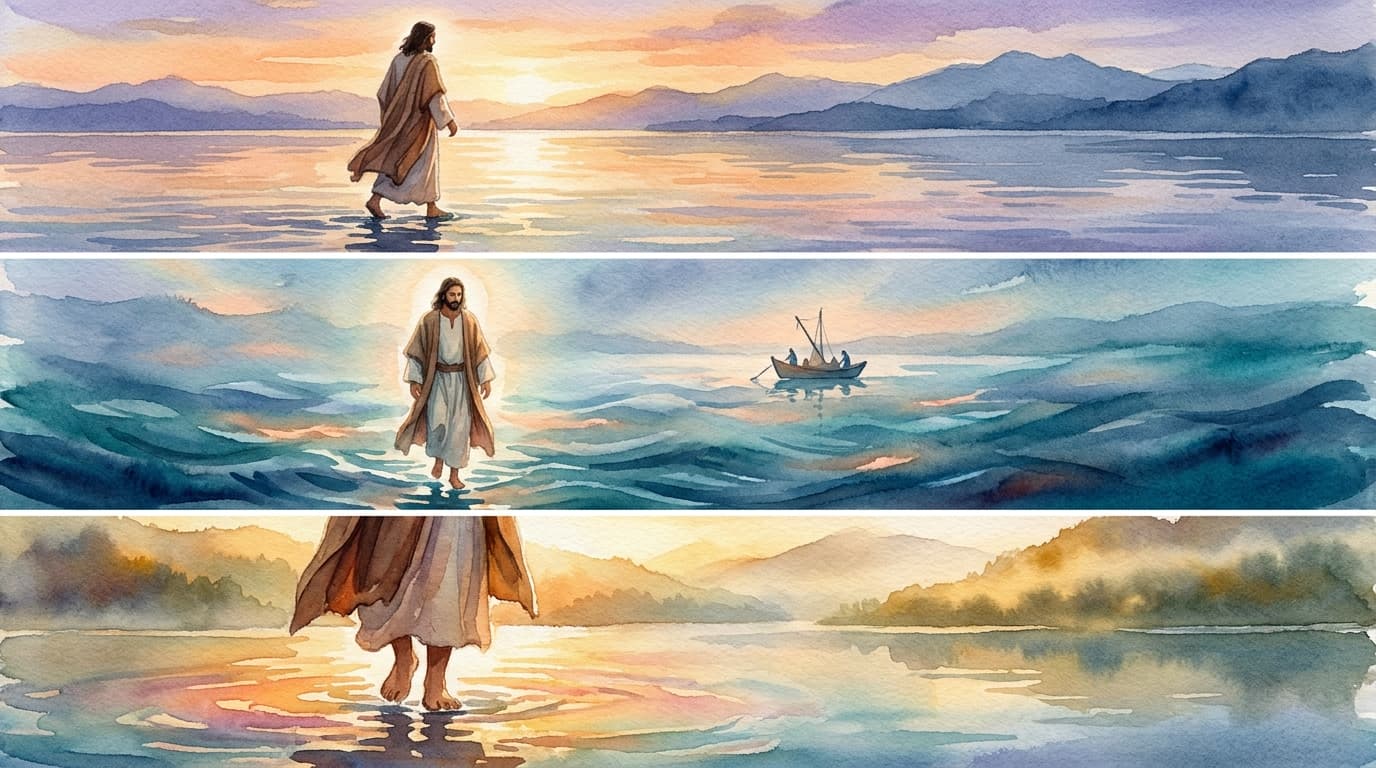
The Meaning and Geography of Galilee: Reading Jesus' Ministry in Its Biblical Context
When you read the Gospels, you notice that Jesus carried out an especially large part of his ministry in Galilee. Names such as Nazareth, Capernaum, the Sea of Galilee, and Cana appear again and again. If you understand Galilee only as “the northern region,” however, the movement of the Gospels can feel somewhat flat. Knowing the meaning and background of Galilee makes it clearer why Jesus began his ministry there and why so many people gathered around him.
First, Galilee is the name for the northern region of Israel. Isaiah 9:1 calls this area “Galilee of the nations,” showing that Galilee was a place where many peoples and cultures met. Matthew 4:13-16 connects Jesus' dwelling in Capernaum with the fulfillment of this prophecy. It looked like a peripheral place, but it was where God caused light to shine.
Galilee was also important geographically. Compared with Judea in the south, northern Galilee was relatively fertile, and fishing and farming were active around the Sea of Galilee. The Sea of Galilee is a large inland lake, though the New Testament also calls it the “Sea of Galilee.” Cities such as Capernaum, Bethsaida, and Tiberias stood around it. The fact that several of Jesus' disciples were fishermen naturally belongs to this setting. The occupations of Peter and Andrew, and of James and John, are not merely background details; they give us a glimpse of daily life and the economy of Galilee.
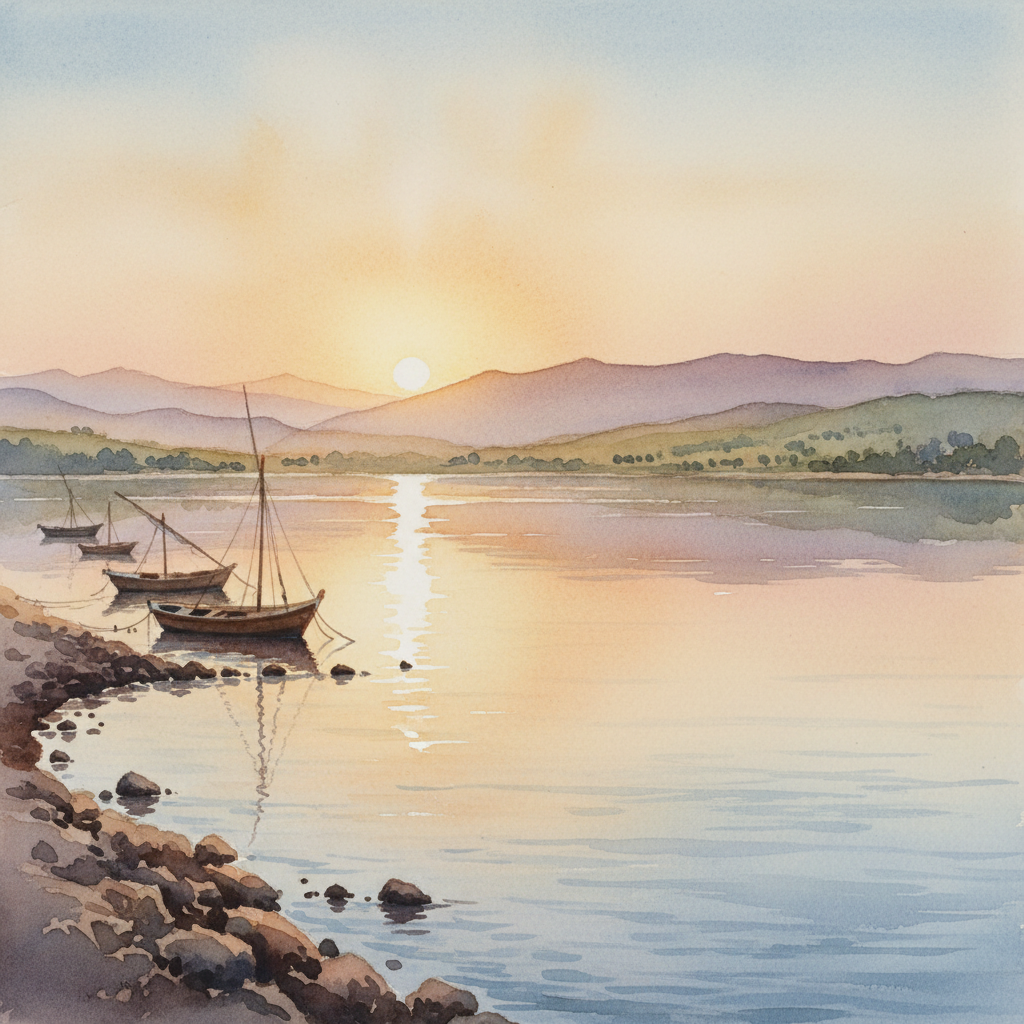
Historically, Galilee was a place of frequent travel. It lay within the movement of trade routes running north and south and connecting east and west, so people of many backgrounds could be encountered there. For that reason, religious leaders in the Jewish center sometimes regarded Galileans as people from the margins. Nathanael's words in John 1:46, “Can anything good come out of Nazareth?” also reveal the regional prejudice of the time. Yet God often makes places that people look down on the stage of salvation.
This background is a great help in understanding Jesus' ministry.
- The fact that Jesus' public ministry began in earnest in Galilee shows that the gospel does not remain only in the center but moves toward the margins as well.
- The fishing villages and crossroads of Galilee were suitable places for meeting many people.
- The phrase “Galilee of the nations” reveals that the Messiah's light would shine beyond boundaries.
- The lives of the disciples and the images in Jesus' parables—nets, boats, and sowing seed, for example—are deeply connected to the everyday world of Galilee.
When Jesus calls his disciples beside the Sea of Galilee in Matthew 4:18-22, the scene becomes more vivid when you know the setting. Jesus called them in the middle of their workplaces. Likewise, the scene in Mark 4 where Jesus teaches the crowd from a boat, and the scene in Mark 4:39 where he rebukes the wind and the sea, feel more realistic when you remember the actual environment of the lake. Because of its terrain, the region is known for sudden squalls. The disciples' fear was therefore not exaggerated, and Jesus' authority stands out even more clearly.
When a passage about Galilee appears in your reading, you can follow the place names and read the passage slowly in Bible reading. Familiar verses can feel new when you read them with their background in mind. As you trace the flow of Jesus' ministry from Galilee through the Gospels, you also grow in the ability to read the Bible as one broad story rather than as disconnected pieces. This naturally connects with why reading through the whole Bible matters. If you want to organize unfamiliar terms or spiritual practices as well, you can also look at What Is Biblical Meditation?.
In the end, the meaning of Galilee is more than a place name. It carries the gospel message that God's light began to shine in a place that looked lowly, on a border, in the middle of busy ordinary life. Jesus went first not to the splendor of Jerusalem but to ordinary people in Galilee. That is why the place where we live today is never insignificant.
This week, choose one passage in the Gospels that mentions “Galilee” and read the entire chapter slowly. In that passage, you may see again that Jesus works even in ordinary places. The Lord is still shining the same light in the middle of our everyday lives.
Related articles
Beginning at Mount Gerizim and Ending with Acts: Seeing the Boundaries of the Gospel Unveiled When Knowing Samaria
Exploring the geography and history of Samaria, the mountaintop debates, and following passages from John 4 and Acts 8, we examine how the gospel transcends old divisions and boundaries from a biblical perspective.
Understanding the Meaning of Judea and Reading the Terrain: Gaining Background Clarity in Scripture
Judea is more than just a place name; it embodies the history of Judah, Jerusalem-centered faith traditions, and the overall backdrop of the Gospels and Acts. Knowing its meaning and geography enriches your reading of the Bible, making its messages clearer.
 Bible Habit
Turn this article into today’s reading habit
Keep your McCheyne plan, sequential reading, notes, and progress together so the next passage is always clear.
- Today’s passages
- Reading checklist
- Notes and highlights