

Beginning at Mount Gerizim and Ending with Acts: Seeing the Boundaries of the Gospel Unveiled When Knowing Samaria
Exploring the geography and history of Samaria, the mountaintop debates, and following passages from John 4 and Acts 8, we examine how the gospel transcends old divisions and boundaries from a biblical perspective.
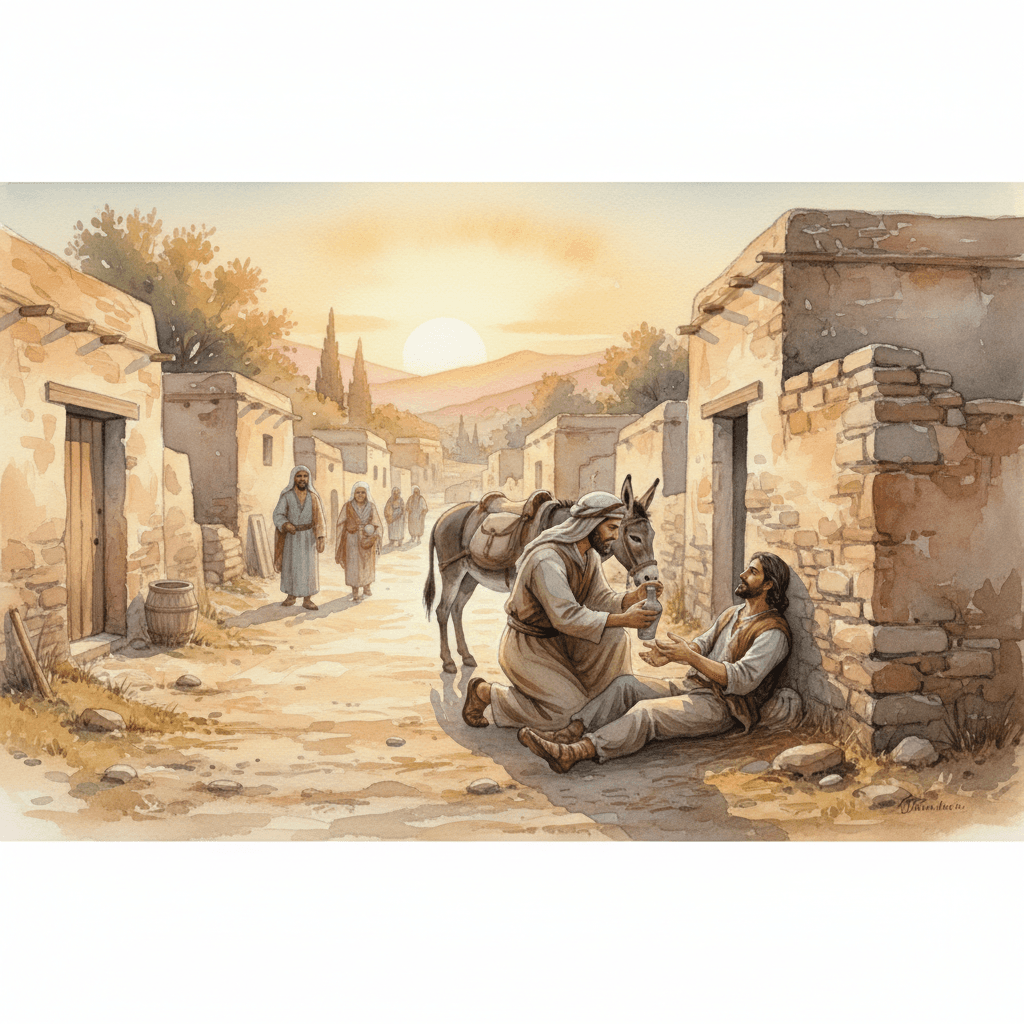
Beginning at Mount Gerizim and Ending with Acts: Seeing the Boundaries of the Gospel Unveiled When Knowing Samaria
Throughout the Bible, Samaria appears frequently, yet when it comes to explaining it clearly, the details often feel vague. We know it’s situated between Galilee and Judea, but it’s easy to miss why there was such a deep divide between Jews and Samaritans, and why Samaria appears as a pivotal turning point in the Gospels and Acts. However, understanding the geography and history of Samaria helps us see familiar scenes more vividly, making them more three-dimensional. Samaria was not just land in the middle; it was the site of old wounds of division, and it was precisely there that the breadth and depth of the gospel were vividly revealed.
Geographically, Samaria lies in the central mountainous region between north Galilee and south Judea. As such, it was a crucial route for north-south travel and sometimes regarded as a border of conflict. In the Old Testament, Samaria is linked to the political center of the Northern Kingdom of Israel. In 1 Kings 16:24, Omri purchases Mount Samaria and builds a city there, naming it Samaria. Initially, it was the name of a city, but over time, it came to refer to the entire surrounding region. The place names in the Bible are not mere backgrounds; they carry layers of history and memory, which can be seen here as well.
A key historical turning point in understanding Samaria is the fall of the Northern Kingdom of Israel. 2 Kings 17 tells how Assyria conquered Samaria and brought various peoples into the land. This led to a mixing of the original inhabitants with the newcomers, and their faiths blended into a hybrid form. Verse 33 states, “They worshiped Jehovah but also followed their own gods, according to the customs of the nations from which they had been taken.” The reason why Jews looked down on Samaritans wasn’t merely regional prejudice. It was connected to longstanding concerns about the identity of God's covenant people and the purity of worship.
Of course, Samaritans did not see themselves as distant from God. They believed they worshiped the God of Abraham, Isaac, and Jacob, and accepted the Torah as sacred. Yet they had a different stance on where worship should take place. While Jews centered worship in Jerusalem, Samaritans regarded Mount Gerizim as sacred. Knowing this background makes the conversation in John 4 much clearer. When the Samaritan woman asks Jesus, “Our ancestors worshiped on this mountain, but you say that in Jerusalem is the place where people ought to worship,” it’s not merely curiosity—it strikes at the heart of centuries-old worship disputes.
Jesus does not simply mediate this conflict. In John 4:22, He says, “You worship what you do not know; we worship what we know, for salvation is from the Jews.” Then in verse 23, He states, “But the hour is coming when true worshipers will worship the Father in spirit and truth, for the Father seeks such people to worship Him.” These words are not casual comments about worship locations. They affirm that salvation is fulfilled in Christ, and true worship is also made possible in Him. Beyond the debate over Jerusalem or Mount Gerizim, Jesus reveals who makes worship possible—those whom God seeks, in spirit and truth. John 4, therefore, isn’t just about a woman’s story; it’s a scene that stands on the broken history and opens the era of salvation.
Further, John 4:9 adds, “(For Jews have no dealings with Samaritans).” This brief note highlights how intense the tension was at the time. Jesus crosses the line that many would have avoided. He doesn’t distance Himself because the woman is a Samaritan; in fact, He initiates dialogue. Yet, His approach isn’t a vague inclusiveness that diminishes truth. He exposes her life’s reality and reveals Himself as the Messiah. The gospel isn’t about hiding sin but about shining the light of truth and calling sinners with grace.
This theme continues in Acts. In Acts 1:8, Jesus promises His disciples, “But you will receive power when the Holy Spirit has come upon you, and you will be My witnesses in Jerusalem, and in all Judea and Samaria, and to the ends of the earth.” Here, Samaria isn’t just a geographical midpoint. It’s a place closest yet emotionally distant—a place scarred by history and mistrust.
In Acts 8, when Philip preaches Christ in Samaria, many believe and rejoice. This isn’t merely spreading the gospel further; it signifies that those once considered outsiders are now called into God’s grace through Christ. It’s a doctrinal affirmation that the church isn’t built on ethnic superiority or ancient hostility but on Christ alone. The foundation of the church is Jesus Christ. Salvation isn’t based on ethnicity or geography, but on grace. The acceptance of Samaritans isn’t a compromise of the gospel; rather, it underscores the gospel’s authenticity and power. God is holy and, at the same time, the one who reconciles enemies through Christ.
Understanding this background, reading the Bible makes Samaria no longer just an unfamiliar name. It was a land of division and confusion, yet also a place the Lord did not forsake. John 4:4 states, “He had to pass through Samaria.” While this phrase can be read literally as a route, within the broader biblical flow, it carries deeper significance. Jesus purposely passes through the place many preferred to avoid, meets a woman there, and His encounter results in glad tidings spreading to the entire village. The gospel isn’t confined to comfortable places. Jesus enters places we wish to bypass—old prejudices and hardened hearts.
Our daily lives are not different. When we encounter certain people or groups, we tend to draw invisible lines in our hearts, even if we don’t verbally express dislike. We may not hate explicitly, but we create zones where we prefer not to get too close. Reflecting on the biblical background of Samaria raises a question: do I, myself, know the gospel but still keep a narrow mental map? Jesus did not compromise truth; yet He approached sinners and wounded people without hesitation. The background of the Bible isn’t meant merely for knowledge—it’s to shift our gaze toward His.
Whenever you read the Bible, consider Samaria. Its name contains memories of the northern monarchy, broken relationships, and worship conflicts. Yet, it also bears witness to how far the gospel reaches. The Lord crossed boundary lands, taught true worship there, and through the apostles, poured out His grace. To understand Samaria is to go beyond historical summaries and re-encounter what the gospel originally proclaims. It’s not only about reconciling sinners to God but also about revealing how narrow our human boundaries have been. When we open the Bible with this background in mind, familiar passages become clearer, and our hearts’ doors begin to open.
If you wish to see Samaria within the broader biblical narrative, consider using Bible Reading and 365-Day Reading Schedule together. Also, when connecting passages featuring Samaria, consult AI Bible Search for better context. The key is not merely accumulating knowledge but learning the heart of Christ within His Word. Remembering Jesus’s steps toward Samaria helps us realize that we, too, are called to extend the gospel with broader and deeper obedience.
Related articles
Understanding the Meaning of Judea and Reading the Terrain: Gaining Background Clarity in Scripture
Judea is more than just a place name; it embodies the history of Judah, Jerusalem-centered faith traditions, and the overall backdrop of the Gospels and Acts. Knowing its meaning and geography enriches your reading of the Bible, making its messages clearer.
The Meaning and Geography of Galilee: Reading Jesus' Ministry in Its Biblical Context
Read the ministry of Jesus more clearly through the meaning, geography, and historical background of Galilee. This biblical background guide can make the Gospels look new.
 Bible Habit
Turn this article into today’s reading habit
Keep your McCheyne plan, sequential reading, notes, and progress together so the next passage is always clear.
- Today’s passages
- Reading checklist
- Notes and highlights