

An Overview of Numbers: Learning Faith and Obedience Through Wilderness Tests
Numbers is not merely a book of census figures; it reveals how God's holiness and mercy are expressed in the wilderness, teaching us faith and obedience. By following the stories of the spies, Moses' intercession, and the bronze serpent, it prompts reflection on our own faith journeys.
An Overview of Numbers: Learning Faith and Obedience Through Wilderness Tests
At first glance, Numbers might seem like a straightforward historical record focusing on counting people and censuses. However, it is a highly practical book illustrating how God's people are tested, stumble, and are restored under His guidance during their wilderness journey to the Promised Land. While Exodus marks the beginning of salvation and Leviticus emphasizes holiness, Numbers reveals how a holy community is to live on the path. Thus, reading Numbers isn’t just about history; it acts as a mirror for believers today, especially those easily swayed.
The main trajectory of Numbers is quite clear. Chapters 1 to early 10 detail the encampment at Mount Sinai, the census taken, and the arrangements for the tribes’ positions and movements. God does not lead His people disorderly. The Tabernacle sits at the center of the camp, with tribes surrounding it, showing that God is the heart of the community. From late 10 through 21, the narrative turns to the wilderness journey, marked by repeated complaints, divine discipline, Moses’ intercession, and God's restoration. The final chapters from 22 to 36 describe the preparation of the next generation in the plains of Moab. Though it may seem that everything ended due to the failure of the first generation, God faithfully establishes a new one in His covenant.
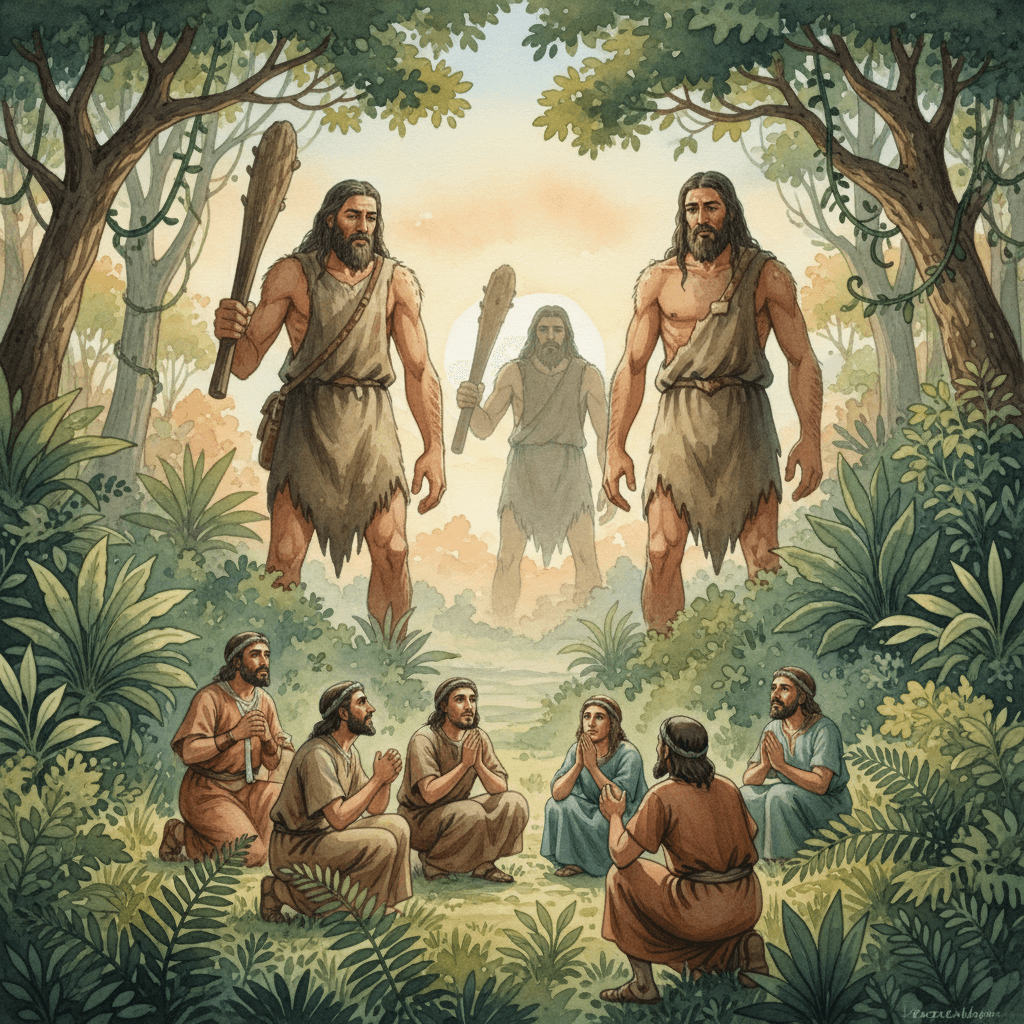
The core issue in Numbers is not mere mistakes but disbelief. When the spies return from Canaan at Kadesh Barnea, the people see giants that eclipse God's promise. In response, Joshua and Caleb say, “If the Lord delights in us, He will bring us into this land,” and urge, “Only do not rebel against the Lord. Do not fear the people of the land” (Numbers 14:8-9). Yet, the people succumb to fear, and as a result, the generation destined for the wilderness long remains there. Numbers vividly shows that faith is not about trivializing circumstances but about valuing God's Word above all.
A recurring scene is the people's complaining and Moses’ intercession. They grumble over water, criticize the food, and rebel against God’s appointed leaders. However, God does not immediately abandon them; He disciplines them firmly at times and restores their path through intercession at others. Numbers 14:18 portrays God's character: “The Lord is slow to anger and abundant in steadfast love, forgiving iniquity and transgression, but He will by no means clear the guilty.” This verse prevents us from viewing God one-sidedly. He is holy and will not overlook sin, but He is also merciful, holding His covenant people close.
Another vital scene in Numbers is the bronze serpent. When the people again complain against God and Moses, fiery serpents appear, killing many. God instructs Moses to make a bronze serpent and erect it on a pole, so that everyone bitten can look at it and live. “So Moses made a bronze serpent and set it on a pole, and everyone who looked at it was healed” (Numbers 21:9). This event demonstrates that salvation is based on trusting God's prescribed way, not our efforts. Jesus later connected this event to His own mission (John 3:14-15). Therefore, Numbers, while a wilderness story, also shadows the gospel of salvation.
The messages for modern Christians are clear. First, obedience does not naturally develop after salvation; believers still struggle with complaints, comparisons, and perceiving difficulties as overwhelming. Second, God leads His people through His Word and order. When Numbers feels unfamiliar, reading it in the context of Exodus, Leviticus, Deuteronomy, and the overall Bible helps clarify its structure. Third, even in failure, God does not abandon His covenant. The collapse of the first generation does not nullify God's promises.
Personally, reading Numbers prompts daily self-examination. I reflect on whether my words today reflected faith or complaints. I consider my place within the community. Just as the tribes marched in God's ordained order rather than arbitrarily, church and family life should also prioritize God’s divine order over self-interest. If the length is daunting, following the [Today’s Bible Reading Plan] or [365-Day Reading Schedule] can help maintain the flow. To explore themes like complaints, guidance, cloud and fire, spies, or the bronze serpent, use the [AI Bible Search] for related passages.
In summary, Numbers teaches that God does not abandon His unfaithful people in the wilderness but leads them steadfastly with holiness and mercy. This book is not just a record of Israel’s failures but a testimony to God's faithful patience and discipline. The wilderness may seem like a place of delay, but for those held in God’s hands, it is not a time of abandonment but a space where faith is manifested and obedience trained.
As you meditate on Numbers, look beyond the events themselves and seek God’s recurring will throughout the stories. God desires His people to live by His Word, not fear. He wants us to respond with gratitude instead of complaints, following His path rather than relying solely on our judgments. Numbers vividly illustrates these truths amid dusty wilderness tales. This prompts us today to ask: am I perceiving more of the challenges than God's promises? Am I trusting God's guidance amid routine? Do I recognize a God of mercy even in discipline?
Here are some reflection questions:
- In recent challenges, have I been more focused on my immediate circumstances than God's promises?
- Are my words more filled with gratitude and trust or complaints and fears?
- If I am going through a wilderness season, what is God training me in obedience to learn?
Related articles
Reading Nehemiah: Restoring the Broken Places
A comprehensive overview of the book of Nehemiah, highlighting its main themes and how the restoration of the walls, community, repentance, and renewal of God's Word relate to our faith today. Discover how the rebuilding process extends beyond physical structures to heart and community renewal.
Ruth at a Glance: The Redeeming Grace That Came to Empty-Handed Naomi
Ruth shows loss and loyalty, God’s providence and redemption, in a short but profound story. Following Naomi, Ruth, and Boaz, this article considers how God carries out redemption through ordinary lives.
Core Summary of Deuteronomy: Hearing the Covenant Call on the Plains of Moab
A concise overview of the background, structure, and key messages of Deuteronomy. Follow Moses' final sermon proclaimed on the plains of Moab to see how love for God, remembrance, obedience, and the choice of life continue in our lives today.
 Bible Habit
Turn this article into today’s reading habit
Keep your McCheyne plan, sequential reading, notes, and progress together so the next passage is always clear.
- Today’s passages
- Reading checklist
- Notes and highlights