

Psalm 15 Questions the True Worshiper
Through a reflection on Psalm 15, we follow the main flow and key words to understand what it means to dwell before God. We also explore practical applications, from words, relationships, money, to vows.
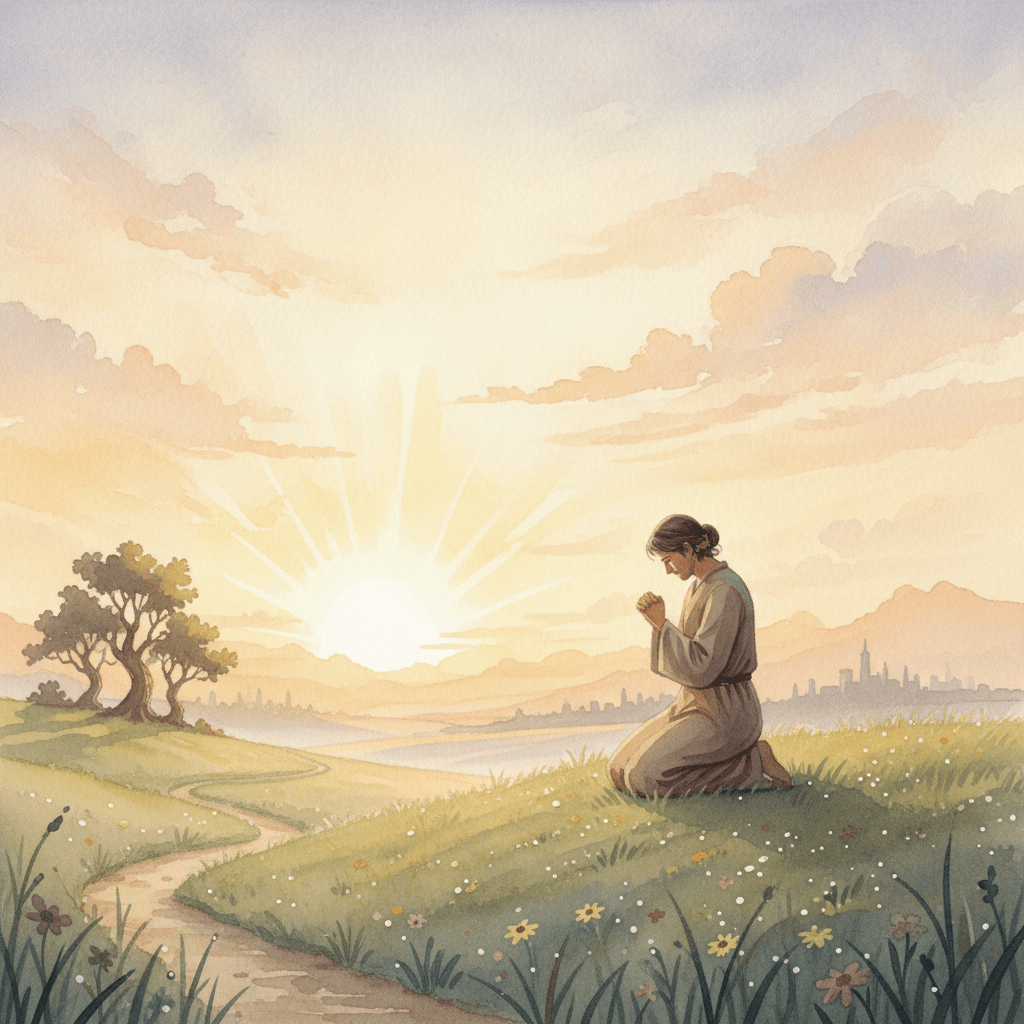
The Weight of Life Psalm 15 is a brief but deeply resonant psalm. David begins with a question: “LORD, who may dwell in your sacred tent? Who may live on your holy mountain?” (Psalm 15:1). Many claim to believe in God, but this psalm vividly shows what a life close to God looks like. What's important here is that the psalm isn’t asking about those who simply enter the place of worship, but about those who live before God.
The flow of the psalm is quite clear. After the question in verse 1, the answer follows from verses 2 through 5. This answer emphasizes the fabric of everyday life rather than elaborate religious rituals. Verse 2, “Those who walk blamelessly and do what is right, who speak truth from their hearts,” is central to the entire psalm. It states that God finds acceptable those whose outward actions and inner hearts are genuine and aligned.
Reading through the key words makes this clearer. First, “walks” indicates that faith is not just a matter of thought—those who know God change their steps. Next are “justice” and “truth.” Justice reflects how one treats others, and truth reveals itself in our hearts and words. Psalm 15 shows that faith is not measured by emotional highs or lows but by words, relationships, and choices. This makes it a challenging read.
Verse 3 specifically addresses our speech. “Who does not slander with their tongue, who does no evil to their neighbor, and cast no slur on others.” The latter part often begins with light conversation, but it destroys trust and reputation. If Psalm 12 warned against lying speech, Psalm 15 takes a step further, urging us to break habits of harmful speech. Even if we haven't directly attacked someone today, if we have belittled or degraded someone behind their back, we need to pause before God.
Verse 4 involves value judgments. “Who despises a vile person but honors those who fear the LORD.” This isn't an encouragement to look down on others; rather, it’s about discerning what is truly valuable and whom to emulate. The world often elevates visible success and power, but God esteems those who fear Him. Reflect on who you envy nowadays or what standards your heart aspires to.
The latter part of the same verse is even sharper: “Who keeps an oath even when it hurts, and does not change their mind.” In a world where backing out of commitments when it’s inconvenient is common, the psalm calls for integrity—keeping promises even if it causes trouble. Those living before God do not easily revise their words, even if it’s uncomfortable. Think again about promises made at work, words spoken in family, or responsibilities at church—faith shines brightest in small, everyday commitments.
Verse 5 addresses money. “Who lends money without charging interest, and does not accept bribes against the innocent.” The Bible has long acknowledged the corrupting influence money can have on conscience. Living honestly before God involves not exploiting the vulnerable, not changing what’s right due to unjust gains. Ask yourself when making transactions, spending, or choosing small conveniences: do you fear God's justice more than personal profit?
Reading this chapter can feel heavy because it prompts us to question our own lives: am I truly this kind of person? Psalm 15 doesn’t lead us to self-righteousness but reminds us of our need for grace. The only sinless person is Christ, and in Him, we are declared righteous and learn holiness within His grace. Psalm 15 is more than a list of conditions for salvation; it’s a mirror showing what fruit God’s people should bear.
For a practical meditation today, revisit 성경 읽기, and underline repeated phrases. Write down the words “words,” “relationships,” “promises,” and “money,” then reflect on one thing you need to change in each area today. Keeping brief notes prevents the Word from becoming vague. To deepen your reflection, reading the article 묵상이란 can help. Also, consider following 오늘의 말씀 to focus on a single verse or two, reviewing your heart.
Psalm 15 ends with a promise: “Those who do these things will never be shaken.” (Psalm 15:5). In a turbulent world, David finds his security not in possessions or reputation but in living rightly before God. It’s okay if you don’t do everything perfectly today. Simply refrain from excuses before His Word and take one step of obedience. One honest word, one controlled reply, one kept promise—these are valuable before God. Reconsider the question, “LORD, who may dwell in your sacred tent?” and quietly ask yourself what kind of person you’re presenting before God today.
Related articles
1 Peter 1: The Beginning of a Holy Life
The holiness described in 1 Peter 1 is not legalism or cheap grace. It is the direction for believers redeemed by Christ's precious blood, to live out holiness in family, work, and solitude with calm and conviction.
The Meaning and Significance of Sanctification: Holy Transformation After Salvation
Sanctification is not an effort to attain salvation but a process of becoming more like Christ through the Holy Spirit after justified by faith. We explore its biblical meaning, distinctions from justification, and the fruits of sanctification evident in daily life.
 Bible Habit
Turn this article into today’s reading habit
Keep your McCheyne plan, sequential reading, notes, and progress together so the next passage is always clear.
- Today’s passages
- Reading checklist
- Notes and highlights