

The Meaning of Wilderness: How to Read Dry Seasons in Life
Exploring the biblical concept of wilderness as a space not just of desert, but of testing, provision, and restoration. Following passages from Exodus, 1 Kings, and Hosea, thoughtfully reflects on how to interpret dry seasons today.
The Meaning of Wilderness: How to Read Dry Seasons in Life
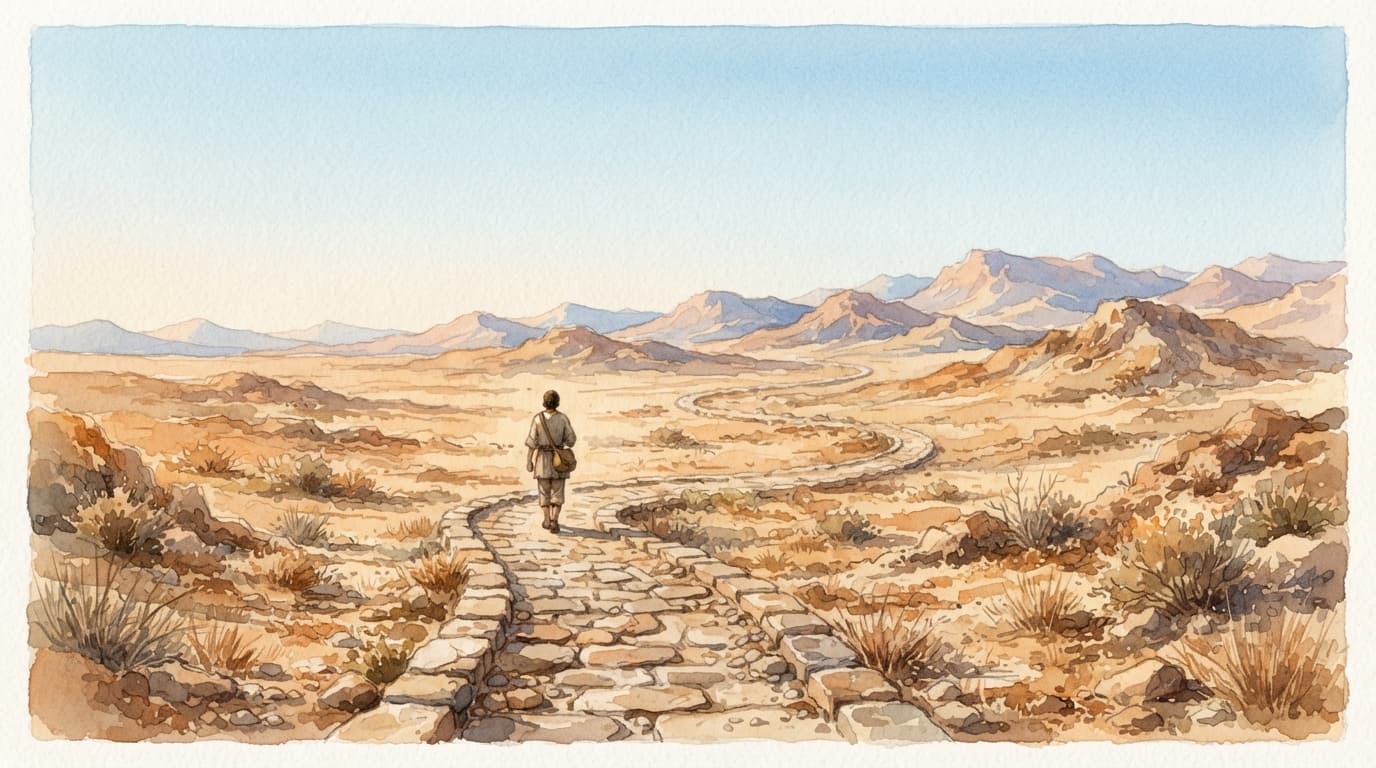
Wilderness is a recurring theme in the Bible. Yet, we often picture it too quickly as a scene of endless sands—a simple, barren desert. However, the biblical wilderness is far more vivid and relatable. It’s a landscape where people are scarce, cultivation is difficult, but the land isn’t entirely dead. Picture rugged terrain with rocky hills, dry valleys, sparse grass patches, seasonal water pools, and paths where people once traveled.
Knowing this background helps us see the wilderness not just as a vague symbol but as a real place in life. Biblical characters didn’t just pass through the wilderness in their minds—they walked those paths amid dust, thirst, and fear. So, when we read wilderness stories, instead of asking, “Why did they use such imagery?” it’s more meaningful to ask, “If I were in that place, what would be most desperate?” This approach makes the stories come alive.
Looking at the wilderness around Israel makes this easier. The Judean wilderness steeply descends east of Jerusalem, while the Negev in the south stretches as a vast dry land. Rain doesn’t linger long, and seasonal showers only briefly swell dry riverbeds. Daytime temperatures can burn hot, while nights drop to chilling cold. Finding water was a matter of survival, and losing one’s way was a serious danger.
In such lands, trusting one’s strength is nearly impossible. Once stored supplies run out, anxiety quickly sets in, and familiar routines often don’t work anymore. That’s why the Bible frequently describes the wilderness as a place of testing. Tests are not simply hard problems—they reveal what we genuinely rely on inside. Hearts that seem fine on normal days show their true colors when faced with lack.
This perspective helps us understand Israel’s long journey through the wilderness after leaving Egypt. Although they were freed from slavery, they didn’t instantly get used to the promised land life. Complaints and fears persisted, and their hearts wavered frequently at water and food shortages. In Exodus 16, the people grumble about lack of food, and God responds by providing manna. Gathering only what’s needed each day was not just rationing but a way of teaching them to depend on God daily.
Manna couldn’t be stored to assuage anxiety. If anyone kept leftovers for the next day, they would find it infested with worms and smelling bad. God was teaching His people that He would care for them tomorrow, too. We often desire quick solutions, but God’s rhythm usually involves daily grace. Though uncomfortable at times, this kind of reliance turns faith from mere ideas into a real lived experience.
The wilderness also reflects the state of our communities. Even walking the same path, some complain while others remember. The story of God parting the Red Sea is quickly forgotten, and present struggles loom large. It’s human nature—today’s lacks feel more significant than yesterday’s blessings. That’s why remembrance is crucial in the wilderness. Not forgetting what God has done anchors us in faith as we pass through those dry seasons.
In the prophetic books, the wilderness appears both as a place of judgment and restoration. When what was held onto collapses, and all decorations are stripped away, God speaks again. Hosea 2:14 says, “Behold, I will persuade her, and bring her into the wilderness, and speak tenderly to her.” The wilderness, seemingly forsaken, becomes a space where relationships are renewed—because God’s word is heard again.
Even reflecting on Elijah’s journey highlights the wilderness’s nature. After a great victory on Mount Carmel, Elijah collapses and asks to die. Yet, God first provides food and rest, then speaks quietly to him. God doesn’t always work dramatically when His people are exhausted. Sometimes, nourishment, rest, and gentle whispers are how He lifts us back up.
What’s vital in reading the wilderness is not romanticizing it. It’s not a glamorous travel destination. The biblical wilderness is filled with danger, delays, and the raw vulnerability of human weakness. Therefore, we don’t need to romanticize every dry season as beautiful. Difficulties are difficult. But the Bible assures us that even in dryness, God is present—holding onto His people.
Our lives also have wilderness moments. When familiar ways at work no longer work, progress is slow, relationships feel strained, and prayer diminishes. On the way home, we may sigh deeply, feeling overwhelmed about tomorrow. We might pretend everything’s normal outwardly, but inwardly, we seek rest as we would water.
In such times, biblical stories about wilderness can be very practical. Focusing solely on “Why am I so lacking?” only deepens the dryness. But asking, “What am I holding onto to get through?” reveals hidden motives. Is it recognition for myself? The balance in my bank account? Others’ reactions? Or the pace of my plans? Such questions shift our attitude from despair to trust.
When reading the Bible, it’s good to take time to observe the wilderness scenes carefully. Look at what’s most lacking—what the characters fear—and how God provides—whether it’s water, bread, a path, or rest. The tone of the passage shifts depending on these details. Some wilderness passages emphasize discipline; others highlight divine protection and guidance. To explore more wilderness stories, you can use Bible Reading or AI Bible Search to carefully examine related verses.
Therefore, the wilderness isn’t just background knowledge. Understanding it deepens our grasp of the Israelites’ grumbling in Exodus, their hesitation in Numbers, and the longing expressed in Psalms. The question ‘Where is God?’ collides with the testimony ‘He feeds me even here.’ Faith doesn’t only flourish in abundance—it emerges clearly where we feel most lacking.
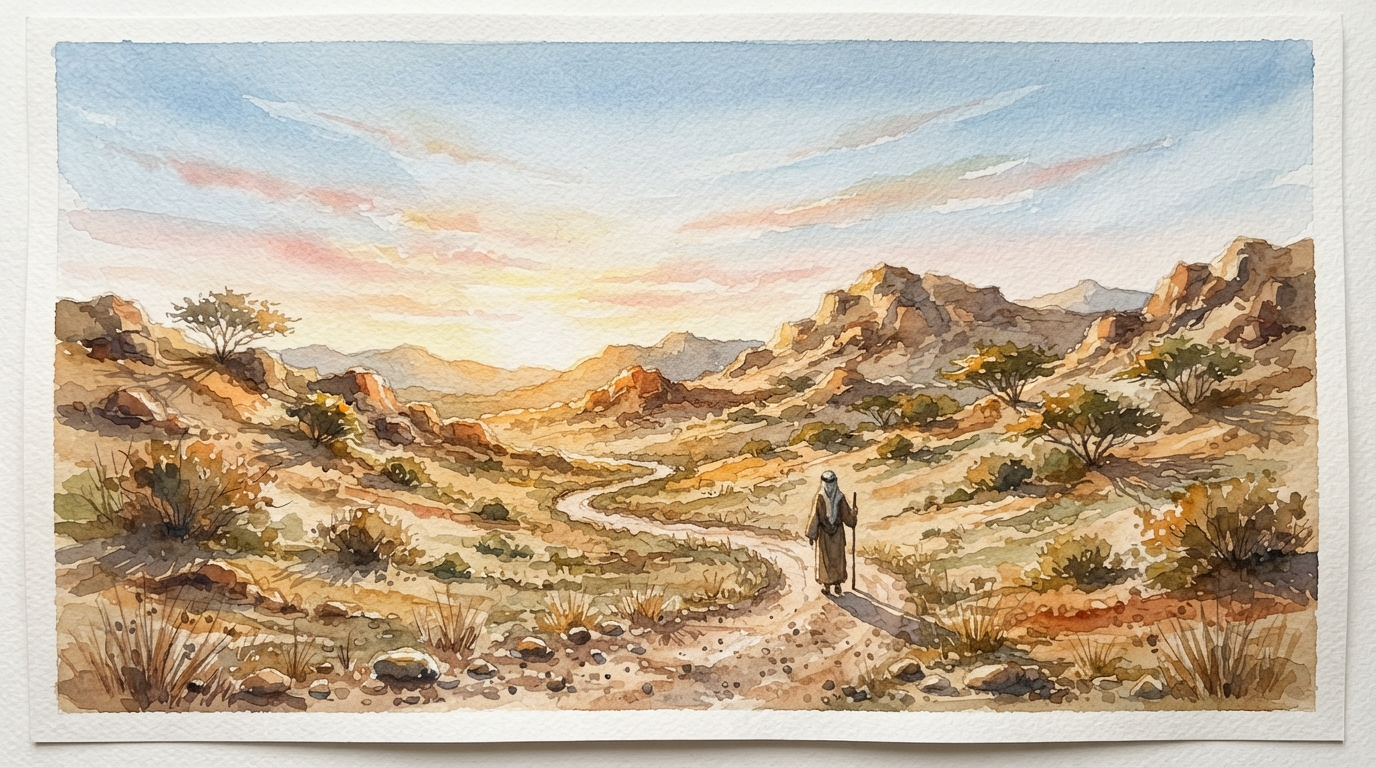
Every time we encounter the word ‘wilderness,’ I hope we won’t rush into one-dimensional symbolism. It’s a place where feet are sore, mouths are parched, and hardship is real. But it’s also where God walks with His people—an intimate space of presence and renewal. Even if today’s dry season feels long and answers seem slow, it doesn’t mean it’s wasted. Gathering daily manna, remembering the grace already given, and quietly taking the next step—this is ultimately about relearning the rhythm of life that home in the wilderness teaches us.
Related articles
Why We Must Remember God in Times of Plenty
Deuteronomy 8 places the hunger and manna of the wilderness alongside the abundance of the Promised Land, explaining why we must not forget God when we have plenty.
How Did God Provide Food in Exodus 16?
Exodus 16 recounts how God heard the Israelites’ complaints, provided them with food each day in the wilderness, and taught them to gather it as instructed and rest on the Sabbath.
The Meaning of the Dead Sea and Reading Dryness Through Biblical Geography
This article explores the significance of the Dead Sea and its biblical geography, explaining why salt flats, deserts, and arid lands are often associated with dryness and judgment, while also reflecting on God's promise of restoration in Ezekiel, offering practical application for our hearts today.
 Bible Habit
Turn this article into today’s reading habit
Keep your McCheyne plan, sequential reading, notes, and progress together so the next passage is always clear.
- Today’s passages
- Reading checklist
- Notes and highlights