

Reading Nehemiah: Restoring the Broken Places
A comprehensive overview of the book of Nehemiah, highlighting its main themes and how the restoration of the walls, community, repentance, and renewal of God's Word relate to our faith today. Discover how the rebuilding process extends beyond physical structures to heart and community renewal.
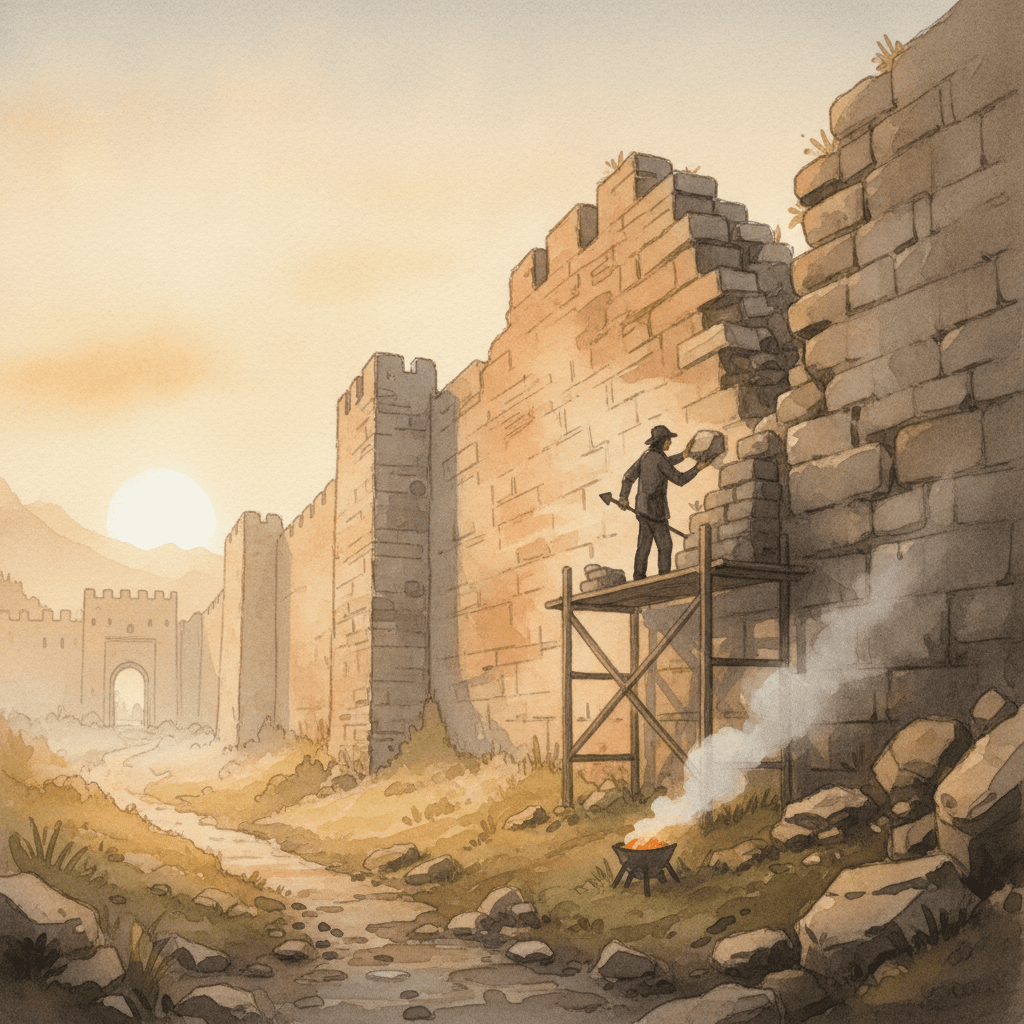
Reading Nehemiah: An Overview of the Entire Book
Nehemiah addresses the recovery of Jerusalem after the exile. On the surface, it seems to tell the story of rebuilding the wall, but a closer, more deliberate reading reveals deeper themes. God not only restores the fallen city but also the hearts of His people and their communal order. Therefore, Nehemiah is both a record of construction and a record of repentance and reform.
At the beginning of the book, Nehemiah is in the Persian palace. Upon hearing the news about Jerusalem, he responds by sitting down and weeping, mourning for days, fasting, and praying before God of heaven (Nehemiah 1:4). An important point here is that he begins his response with prayer—not with anger or haste after hearing the problem. Nehemiah did not ignore the broken state nor merely blame others. Instead, he confesses the sins of his ancestors and his own people, holding onto God's covenant.
Later, before King Artaxerxes, Nehemiah boldly requests permission to go to Jerusalem. His faith does not rely on vague optimism but is rooted in prepared boldness before God. He specifies the time frame and materials needed. Being a prayerful person does not imply weak practicality; rather, those trusting in God diligently prepare for their tasks.
By chapter 2, comes the famous declaration: “The God of heaven will make us prosper, and we His servants will arise and build” (Nehemiah 2:20). This is not just a rally cry; it’s a declaration of faith born from confidence that God is at work. Nehemiah rallied people because he believed God was actively restoring. Each person took responsibility for their section. Restoration doesn’t happen through individual zeal alone but through a community called and committed together.
Throughout this book, opposition is relentless. Sanballat and Tobiah mock, threaten, and spread false rumors. Yet, Nehemiah’s response is simple: “Hear us, O our God, for we are despised,” (Nehemiah 4:4) he prays, while also setting guards and continuing his work. The spiritual battle isn’t fought solely through prayer or action but through a steadfast attitude—crying out to God while refusing to neglect present responsibilities. That is Nehemiah’s strength.
The walls are completed in fifty-two days. However, the climax isn’t just the completion of the construction. Chapter 8’s scene—where the people gather at the Water Gate to hear the Law read—becomes even more significant. As Ezra reads the Law, the people weep, overwhelmed by understanding. The joy of understanding God's Word becomes the true source of strength for their restoration. “Do not grieve, for the joy of the Lord is your strength,” (Nehemiah 8:10) shows where true restoration lies—walls protect the city; God’s Word protects the hearts of His people.
When reading Nehemiah, we should focus on two interconnected themes: external and internal restoration. External involves rebuilding the broken structures and restoring responsibilities. Internal involves acknowledging sin, reflecting through God's Word, and relearning worship and obedience. Even if the walls are rebuilt, if our hearts are distant from God, true revival won’t last. That’s why Nehemiah tackles issues like the temple management, Sabbath observance, and marriage matters.
Similarly, today’s Christians may experience the same. Our lives move forward, but the spiritual walls in our hearts may have fallen. Prayer might diminish, worship could become routine, and sensitivity toward sin may fade. In such moments, Nehemiah encourages us to recognize the ruins, honestly name where we’re broken before God, and return to Scripture and prayer before making big decisions.
Practically, it’s best to read Nehemiah straight through, following the flow. Starting from chapter 1 through 13—acknowledging that chapter 1 is about lament and prayer, chapter 2 is about decision-making, chapter 3 about building together, chapters 4–6 about perseverance amidst opposition, chapter 8 about renewing Scripture, chapters 9–10 about repentance and covenant renewal, and chapters 11–13 about community order—makes the structure clear. When powerful verses stand out, hold onto them as in today’s manna and meditate throughout the day.
What makes Nehemiah special isn’t just the story of a hero. This book demonstrates that God will not forsake His people. The more serious issue than the broken walls was the broken obedience, but even there, God allows a fresh start. When read alongside Ezra in the biblical journey, the picture of restoration becomes even clearer. If you explore why reading the whole Bible is important, Nehemiah’s story fits into the larger narrative of salvation history, revealing that each event isn’t isolated but part of God's redemptive flow.
The core message of Nehemiah is clear: God refuses to ignore broken places. He rebuilds communities and individuals who pray and stand in His Word. It’s helpful to quietly reflect on what broken walls might be present in your life. Maybe it’s a relationship, a worship attitude, or a habit of taking sin lightly. Hold onto Nehemiah 2:20 and 8:10, which empower renewal: “The God of heaven will make us prosper,” and “The joy of the Lord is your strength.” What walls do you need to rebuild today?
Related articles
Ruth at a Glance: The Redeeming Grace That Came to Empty-Handed Naomi
Ruth shows loss and loyalty, God’s providence and redemption, in a short but profound story. Following Naomi, Ruth, and Boaz, this article considers how God carries out redemption through ordinary lives.
An Overview of Numbers: Learning Faith and Obedience Through Wilderness Tests
Numbers is not merely a book of census figures; it reveals how God's holiness and mercy are expressed in the wilderness, teaching us faith and obedience. By following the stories of the spies, Moses' intercession, and the bronze serpent, it prompts reflection on our own faith journeys.
A Quick Read of Leviticus: Learning About God's Presence Through Holiness and Atonement
This summary explores the core themes of Leviticus through offerings, purity, the Day of Atonement, and a holy life. We examine how approaching a holy God and Christ's complete atonement connect to our daily lives.
 Bible Habit
Turn this article into today’s reading habit
Keep your McCheyne plan, sequential reading, notes, and progress together so the next passage is always clear.
- Today’s passages
- Reading checklist
- Notes and highlights